Category: World

  • Turkey’s vice president calls purge victims ‘terrorists’

    Turkish Vice President Fuat Oktay has called the victims of a massive purge of state institutions “terrorists,” accusing opposition parties of having plans for the reinstatement of former civil servants who were removed from their jobs following a coup attempt in Turkey on July 15, 2016, the Stockholm Center for Freedom reported.

    “May I ask who these people are? They are terrorists. Opposition parties should tell people that they will reinstate these terrorists to state institutions,” Oktay said in an interview with the private TV channel A Haber.

    Following the abortive putsch, the Turkish government declared a state of emergency and carried out a massive purge of state institutions under the pretext of an anti-coup fight. More than 130,000 public servants were summarily removed from their jobs for alleged membership in or relationships with “terrorist organizations” by emergency decree-laws subject to neither judicial nor parliamentary scrutiny.

    The government also shut down 164 media organizations, 1,058 educational institutions and 1,769 NGOs.

    Former public servants were not only fired from their jobs; they were also prohibited from working again in the public sector and getting a passport. The government also made it difficult for them to work formally in the private sector. Notes were put on the social security database about dismissed public servants to deter potential employers.

    According to a joint report by the Justice for Victims Platform and Ömer Faruk Gergerlioğlu, a human rights advocate and lawmaker from the Peoples’ Democratic Party (HDP), the biggest problem the purge victims and their families have been facing is economic hardship (97.9 percent) followed by psychological problems (88.6 percent), loss of social prestige and social exclusion (83.7 percent), the disintegration of social circles (83.1 percent), unemployment/lack of employment (80.4 percent) and a lack of social security benefits (73.2 percent).

    The most recent report on the issue published by Veli Ağbaba from the main opposition Republican People’s Party (CHP) states that at least 46 former public servants have died by suicide in Turkey, with the figure increasing to as many as 100 cases of suicide among dismissed civil servants in other sources.

    CHP leader Kemal Kılıçdaroğlu said in August that he would reinstate all former officials removed from their jobs by emergency decree-laws known as KHKs if they win the next general election in June 2023, “unless they were involved in terrorism.”

    “An official apology should be made to the purge victims, and pecuniary and non-pecuniary damages should be paid for the ordeal they were subjected to,” lawmaker Muazzez Orhan Işık from HDP said in late September.
  • Former member of top court gets 12 years, 9 months for Gülen movement ‘membership’

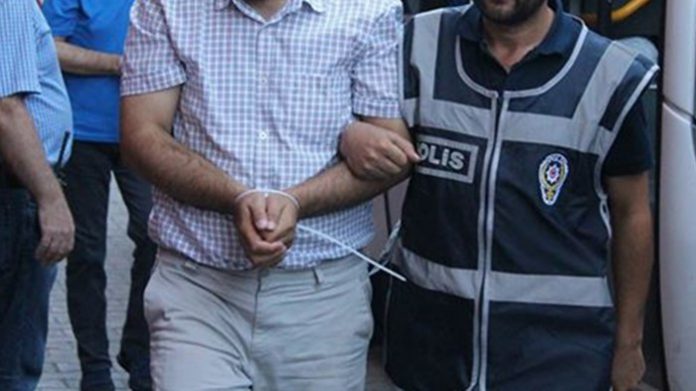
    The Supreme Court of Appeals on Wednesday issued a final verdict for a former member and sentenced him to 12 years, nine months’ imprisonment for alleged membership in the Gülen movement, Turkey’s state-run Anadolu news agency reported.

    The Turkish government accuses the faith-based Gülen movement of masterminding a coup attempt on July 15, 2016 and labels it a “terrorist organization,” although the movement strongly denies involvement in the coup attempt or any terrorist activity.

    One of the pieces of evidence against former judge Dursun Murat Cevher was his alleged use of the ByLock smart phone application.

    Turkey considers ByLock, once widely available online, a secret tool of communication among supporters of the Gülen movement since the July 2016 failed coup, despite the lack of any evidence that ByLock messages were related to the abortive putsch, leading to the arrest of thousands who were using it.

    The European Court of Human Rights (ECtHR) ruled in June in the case of a former police officer that use of the ByLock application is not an offense in itself and does not constitute sufficient evidence for an arrest.

    The UN Human Rights Council’s Working Group on Arbitrary Detention also stated in October 2018 that detention, arrest and conviction based on ByLock use in Turkey violated of Articles 19, 21 and 22 of the International Covenant on Civil and Political Rights.

    According to a statement from the interior ministry in March 2019, 95,310 people were charged over alleged use of the ByLock application. In its technical report, which courts use as basis for their decisions, Turkey’s National Intelligence Organization (MİT) stated that 60,473 defendants had at least one message posted using ByLock while 34,837 defendants had not posted any message using the application.

  • Former ECtHR judge resigns from Ankara bar over ‘censored’ report on torture

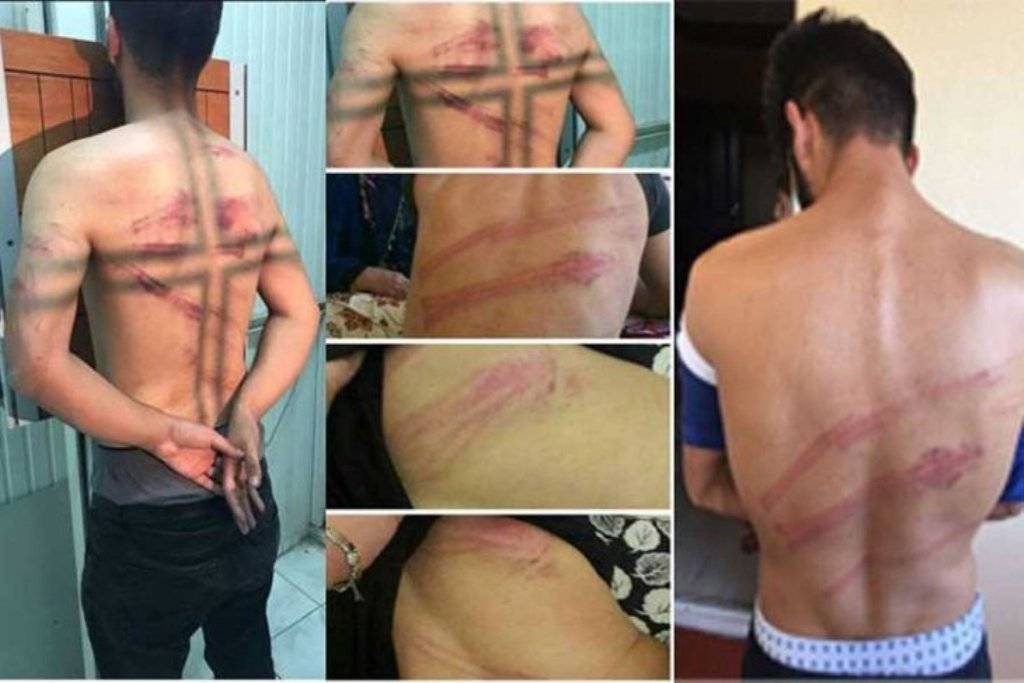
    Rıza Türmen, a former judge at the European Court of Human Rights (ECtHR) and head of the Ankara Bar Association’s human rights committee, has resigned from the bar due to its refusal to publish a report on allegations of torture made by detainees held at a police detention center, local media reported.

    According to a report by the TR724 news website last week, people who were detained due to alleged links to the Gülen movement, a faith-based group inspired by Turkish Muslim cleric Fethullah Gülen, were subjected to torture at a police detention center in Ankara.

    TR724 said 300 people have been detained in the last month in police raids across Turkey as part of investigations overseen by the Ankara Chief Public Prosecutor’s Office.

    Some of the detainees were beaten and forced to sign false confessions while in police custody, TR724 reported, citing their families and lawyers.

    After receiving complaints of torture and mistreatment, lawyers from the Ankara Bar Association’s human rights committee interviewed the detainees and compiled their findings in a report.

    According to the report citing the lawyers’ findings, detainees said they were subjected to beatings, forced nudity, torture involving the use of water and threats of rape.

    The report was presented to the management of the Ankara Bar Association; however, they decided not to publish the report, opting to instead file a criminal complaint with the public prosecutor’s office.

    The bar association’s decision sparked indignation among the lawyers who had drafted it, and six lawyers on the human rights committee resigned in protest.

    Committee chair Türmen joined his colleagues and submitted his resignation from the bar on Wednesday.

    Türmen represented Turkey at the ECtHR between 1998 and 2008.

    The bar’s president, Kemal Koranel, denies allegations of censorship.

    After an abortive putsch in 2016, ill-treatment and torture became widespread and systematic in Turkish detention centers. Lack of condemnation from higher officials and a readiness to cover up allegations rather than investigate them have resulted in widespread impunity for the security forces.

  • Former officer arrested over Gülen links while attempting to flee Turkey

    Former officer arrested over Gülen links while attempting to flee Turkey

    A former lieutenant colonel in the Turkish military has been arrested over alleged links to the Gülen movement after trying to flee the country by crossing the Evros River, which forms the land border between the northwestern Turkish province of Edirne and Greece, the Demirören news agency reported on Tuesday.

    The Turkish government accuses the faith-based Gülen movement of masterminding a coup attempt on July 15, 2016 and labels it a “terrorist organization,” although the movement strongly denies involvement in the coup attempt or any terrorist activity.

    The former officer, identified only by the initials N.Ç., was detained by Turkish security forces in a forbidden zone in the İpsala district of Edirne.

    N.Ç. who was referred to court and arrested.

    The former officer was one of the more than 29,000 members of the Turkish Armed Forces (TSK) in addition to more than 130,000 civil servants who were summarily removed from their jobs for alleged membership in or relationships with “terrorist organizations” by emergency decree-laws subject to neither judicial nor parliamentary scrutiny during a state of emergency imposed by Turkey’s Justice and Development Party (AKP) government following the coup attempt.

    The AKP government launched a war against the Gülen movement, a worldwide civic initiative inspired by the ideas of Muslim cleric Fethullah Gülen, after the corruption investigations of Dec. 17-25, 2013 that implicated then-prime minister and current President Recep Tayyip Erdoğan’s family members and inner circle.

    Dismissing the investigations as a Gülenist coup and conspiracy, the AKP government designated the movement as a terrorist organization and began to target its members. The government intensified the crackdown following the coup attempt in July 2016.

    A total of 319,587 people have been detained and 99,962 arrested in operations against supporters of the Gülen movement since the coup attempt, Turkey’s Interior Minister Süleyman Soylu announced in November.

    In addition to the thousands who were jailed, scores of other Gülen movement followers had to flee Turkey to avoid the government crackdown.

    Purge victims who wanted to flee the country to avoid the post-coup crackdown took dangerous journeys across the Evros River or the Aegean Sea. Some were arrested by Turkish security forces, some were pushed back to Turkey by Greek security forces and others perished on their way to Greece.

    The purge victims had to leave the country illegally because the government had revoked their passports.

  • Police ban on Kurdish music in İstanbul street sparks Kurdish music frenzy

    Police ban on Kurdish music in İstanbul street sparks Kurdish music frenzy


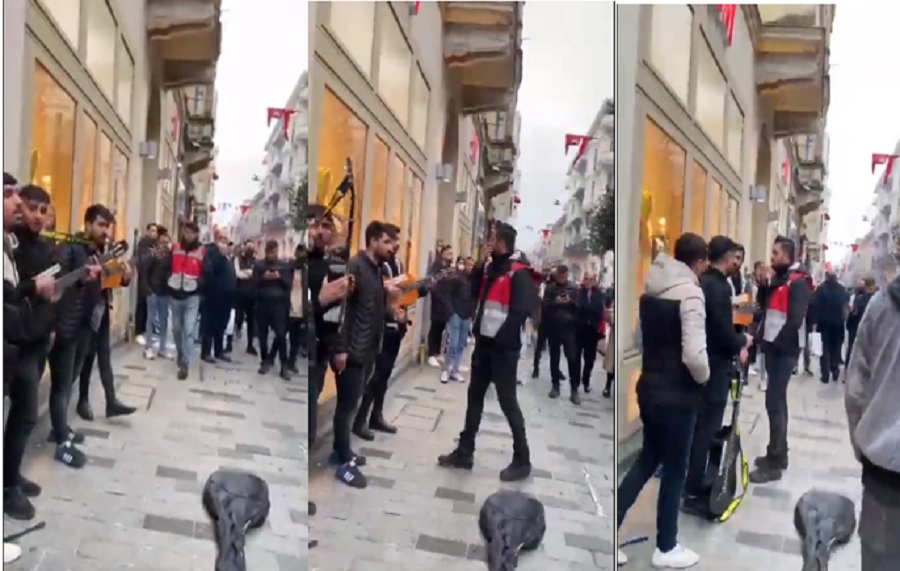
    A large number of politicians, singers and social media users have shared videos of their Kurdish song performances and those of Kurdish singers in protest after police officers recently prevented four young street performers from singing in Kurdish in İstanbul’s popular İstiklal Street.

    In a video posted on Twitter over the weekend, the group is seen performing a Kurdish song on İstiklal Street when they are approached by police officers who warn them to stop singing. When the music suddenly stops, the audience is heard urging them to continue.

    According to a report by the Mezopotamya news agency on Monday, the singers were later taken into custody where they were subjected to mistreatment. They were cursed at by police officers who seized their instruments and the money they earned by singing in the streets, and made them pay to get their instruments back, Mezopotamya said.

    Meral Danış Beştaş, parliamentary group deputy chair of the pro-Kurdish Peoples’ Democratic Party (HDP), on Monday sang the same song performed by the street musicians during a press conference at parliament, protesting the police ban on Kurdish songs.

  • Documentary tells story of businessman who died from cancer after belated release from prison

    A documentary telling the story of businessman Medeni Arifoğlu, who succumbed to cancer after he was belatedly released from prison despite his deteriorating health, premiered on YouTube on January 25, the second anniversary of his passing.

    Titled “The Brave Son of Bingöl: Medeni Arifoğlu,” the documentary reveals how he was kept in prison despite serious health problems.

    According to the documentary, Arifoğlu was a well-known and respected businessman in Turkey’s eastern Bingöl province, a pioneer of charity activities before a government crackdown on the Gülen movement began.

    He was arrested due to alleged links to the Gülen movement in the aftermath of a coup attempt in June 2016, and his assets were seized. The authorities insisted on keeping him in prison despite the fact that he had a liver transplant. His appendix burst in prison, and he developed cancer during that time. Arifoğlu was released in March 2019 and died in January 2020.

    Turkish President Recep Tayyip Erdoğan has been targeting followers of the Gülen movement, inspired by Turkish Muslim cleric Fethullah Gülen, since the corruption investigations of December 17-25, 2013, which implicated then-prime minister Erdoğan, his family members and his inner circle.

    Dismissing the investigations as a Gülenist coup and conspiracy against his government, Erdoğan designated the movement as a terrorist organization and began to target its members. He intensified the crackdown on the movement following the abortive putsch on July 15, 2016 that he accused Gülen of masterminding. Gülen and the movement strongly deny involvement in the coup attempt or any terrorist activity.

    A total of 319,587 people have been detained and 99,962 arrested in operations against supporters of the Gülen movement since the coup attempt, Turkey’s Interior Minister Süleyman Soylu said on November 22.

    Human rights activists and opposition politicians have frequently criticized the authorities for not releasing critically ill prisoners so they can seek proper treatment. Human rights defender and Peoples’ Democratic Party (HDP) deputy Ömer Faruk Gergerlioğlu said ill prisoners were not released until they were at the point of no return.

    According to the Human Rights Association (İHD), as of June 2020 there were more than 1,605 sick inmates in Turkish prisons, approximately 600 of whom were critically ill. Although most of the seriously ill patients had forensic and medical reports deeming them unfit to remain in prison, they were not released. Authorities refuse to free them on the grounds that they pose a potential danger to society. In the first eight months of 2020, five critically ill prisoners passed away because they were not released in time to receive proper medical treatment.

  • Lawyers’ report on torture in police custody not published, causes rift in bar association

    Lawyers’ report on torture in police custody not published, causes rift in bar association

    A report by lawyers from the Ankara Bar Association’s human rights committee on allegations of torture made by detainees held at a police detention center has not yet been published, prompting a rift between the rapporteurs and the bar administration, Deutsche Welle’s Turkish edition (DW Türkçe) reported on Friday.

    According to a report by the TR724 news website this week, people who were detained due to alleged links to the Gülen movement, a faith-based group inspired by Turkish Muslim cleric Fethullah Gülen, were subjected to torture at a police detention center in Ankara.

    TR724 said 300 people have been detained in the last two weeks in police raids across Turkey as part of investigations overseen by the Ankara Chief Public Prosecutor’s Office.

    Some of the detainees were beaten and forced to sign false confessions while in police custody, TR724 reported, citing their families and lawyers.

    After receiving complaints of torture and mistreatment, lawyers from the Ankara Bar Association’s human rights committee interviewed the detainees and compiled their findings in a report, according to DW Türkçe.

    According to the report citing the lawyers’ findings, detainees said they were subjected to beatings, forced nudity, torture involving the use of water and threats of rape.

    The report was presented to the administration of the Ankara Bar Association; however, they decided not to publish the report, opting to instead file a criminal complaint with the public prosecutor’s office.

    The Bar Association’s decision not to publish the report sparked indignation among the lawyers who had drafted the report, and after some back and forth, the rapporteurs decided to submit their resignation in protest.

    Ankara Bar Association Chairman Kemal Koranel is set to meet with the lawyers on Monday to talk them out of their decision to resign, according to DW Türkçe.

    Human rights defender and Peoples’ Democratic Party (HDP) deputy Ömer Faruk Gergerlioğlu has called on Turkish authorities to investigate claims of mistreatment and torture at the Ankara police center.

    Turkish President Recep Tayyip Erdoğan has been targeting followers of the Gülen movement since the corruption investigations of Dec. 17-25, 2013, which implicated then-prime minister Erdoğan, his family members and his inner circle.

    Dismissing the investigations as a Gülenist coup and conspiracy against his government, Erdoğan designated the movement as a terrorist organization and began to target its members. He intensified the crackdown on the movement following an abortive putsch on July 15, 2016 that he accused Gülen of masterminding. Gülen and the movement strongly deny involvement in the coup attempt or any terrorist activity.

    A total of 319,587 people have been detained and 99,962 arrested in operations against supporters of the Gülen movement since the coup attempt, Turkey’s Interior Minister Süleyman Soylu said on November 22.

    After the abortive putsch, ill-treatment and torture became widespread and systematic in Turkish detention centers as evidenced by the UN special rapporteur on torture and other cruel, inhuman, or degrading treatment or punishment in a report based on his mission to Turkey between Nov. 27 and Dec. 2, 2016. Lack of condemnation from higher officials and a readiness to cover up allegations rather than investigate them have resulted in widespread impunity for the security forces.

  • Former teacher arrested on Gülen charges, leaving 3 children behind

    Elif Çelik Demir, 42, a former kindergarten teacher and a mother of three, was arrested on Tuesday for alleged links to the Gülen movement, leaving her children to the care of relatives, the Stockholm Center for Freedom reported, citing the Bold Medya news website.

    Demir, who was summarily fired from her job by a government decree in the aftermath of a coup attempt in July 2016, was arrested in the city of Ereğli after a six-year, three month prison sentence was upheld by the Supreme Court of Appeals.

    She was first arrested in November 2016 and was released pending trial eight months later.

    Human rights defender and Peoples’ Democratic Party (HDP) deputy Ömer Faruk Gergerlioğlu criticized the decision on Twitter.

    Turkish President Recep Tayyip Erdoğan has been targeting followers of the Gülen movement, inspired by Turkish Muslim cleric Fethullah Gülen, since the corruption investigations of December 17-25, 2013, which implicated then-prime minister Erdoğan, his family members and his inner circle.

    Dismissing the investigations as a Gülenist coup and conspiracy against his government, Erdoğan designated the movement as a terrorist organization and began to target its members. He intensified the crackdown on the movement following an abortive putsch that he accused Gülen of masterminding.

    The purge has damaged the unity of many families and left children to the care of relatives. Such separations have had a negative impact on the mental and physical well-being of the children. In cases where grandparents are responsible for the child’s care, they are unable to meet every need, especially help with schoolwork.

    A total of 319,587 people have been detained and 99,962 arrested in operations against supporters of the Gülen movement since the coup attempt, Turkey’s Interior Minister Süleyman Soylu said on November 22.

  • Authorities order release pending trial of NCO accused of sexual abuse of 2 minors

    A Turkish court ruled yesterday for the release pending trial of a noncommissioned officer who is being prosecuted for allegedly sexually abusing two high school students in southeastern Van province, the Stockholm Center for Freedom reported, citing Turkish media.

    Talip Korcan was charged with sexually harassing two minors on October 25, 2021. However, the prosecutor ruled that there were no grounds to take legal action against accusations of rape. In his defense, Korcan admitted that he took the girls to his home but claimed he did not abuse them.

    Korcan also allegedly served alcohol to the two girls and later threatened them to stay silent about the encounter.  Korcan’s release sparked outrage among activists, who said sexual abuse of minors was a serious crime. Women’s rights group Women’s Assembly (Kadın Meclisleri),  said authorities had released the perpetrator without a thorough investigation into the claims. “We will not allow child abusers to walk freely [among society],” they said on Twitter.

  • Turkish prosecutors ordered detention of 78 people over alleged Gülen links in a week

    Turkish authorities have ordered the detention of 78 people in the last five days due to alleged links to the Gülen movement, the Stockholm Center for Freedom reported, citing Turkish media.

    The İstanbul Chief Public Prosecutor’s Office on Friday issued detention warrants for 20 people including 17 lawyers over alleged links to the movement. Police conducted operations across seven provinces as part of the operation and detained 18 of the suspects.

    On Wednesday the chief public prosecutor’s office in Ankara ordered the detention of 29 people including active duty and dismissed gendarmerie officers over alleged Gülen links. Police conducted operations in 20 provinces to detain the suspects.

    An additional 11 detention warrants were issued in Manisa and Adana provinces on Thursday.

    Turkish President Recep Tayyip Erdoğan has been targeting followers of the Gülen movement, inspired by Turkish Muslim cleric Fethullah Gülen, since the corruption investigations of December 17-25, 2013, which implicated then-prime minister Erdoğan, his family members and his inner circle.

    Dismissing the investigations as a Gülenist coup and conspiracy against his government, Erdoğan designated the movement as a terrorist organization and began to target its members. He intensified the crackdown on the movement following an abortive putsch that he accused Gülen of masterminding. Gülen and the movement strongly deny involvement in the coup attempt or any terrorist activity.

    The İstanbul Public Prosecutor’s Office on Tuesday issued detention warrants for 18 former civil servants including doctors, police officers and teachers on accusations that they used the ByLock messaging app, once widely available online and considered by the government to be a tool of secret communication among supporters of the movement. Police raids were conducted at 22 locations across four provinces to detain the suspects.

    The UN Human Rights Council’s Working Group on Arbitrary Detention (WGAD) has repeatedly stated that arrest and conviction based on ByLock use in Turkey violated Articles 19, 21 and 22 of the International Covenant on Civil and Political Rights.

    Following the abortive putsch, the Turkish government declared a state of emergency and carried out a massive purge of state institutions under the pretext of an anti-coup fight. More than 130,000 public servants were summarily removed from their jobs for alleged membership in or relationships with “terrorist organizations” by emergency decree-laws subject to neither judicial nor parliamentary scrutiny.

    A total of 319,587 people have been detained and 99,962 arrested in operations against supporters of the Gülen movement since the coup attempt, Turkey’s Interior Minister Süleyman Soylu said on November 22.

    In addition to the thousands who were jailed, scores of other Gülen movement followers had to flee Turkey to avoid the government crackdown.