Category: World

  • Cricket, climate and colonialism on agenda as Commonwealth leaders meet in Caribbean

    Cricket, climate and colonialism on agenda as Commonwealth leaders meet in Caribbean

    The prime minister will advance Australia’s campaign for a seat on the United Nations Security Council when he meets Commonwealth leaders in Antigua and Barbuda this week, leaving colleagues to face the fallout of a widely anticipated interest rate rise on Tuesday.

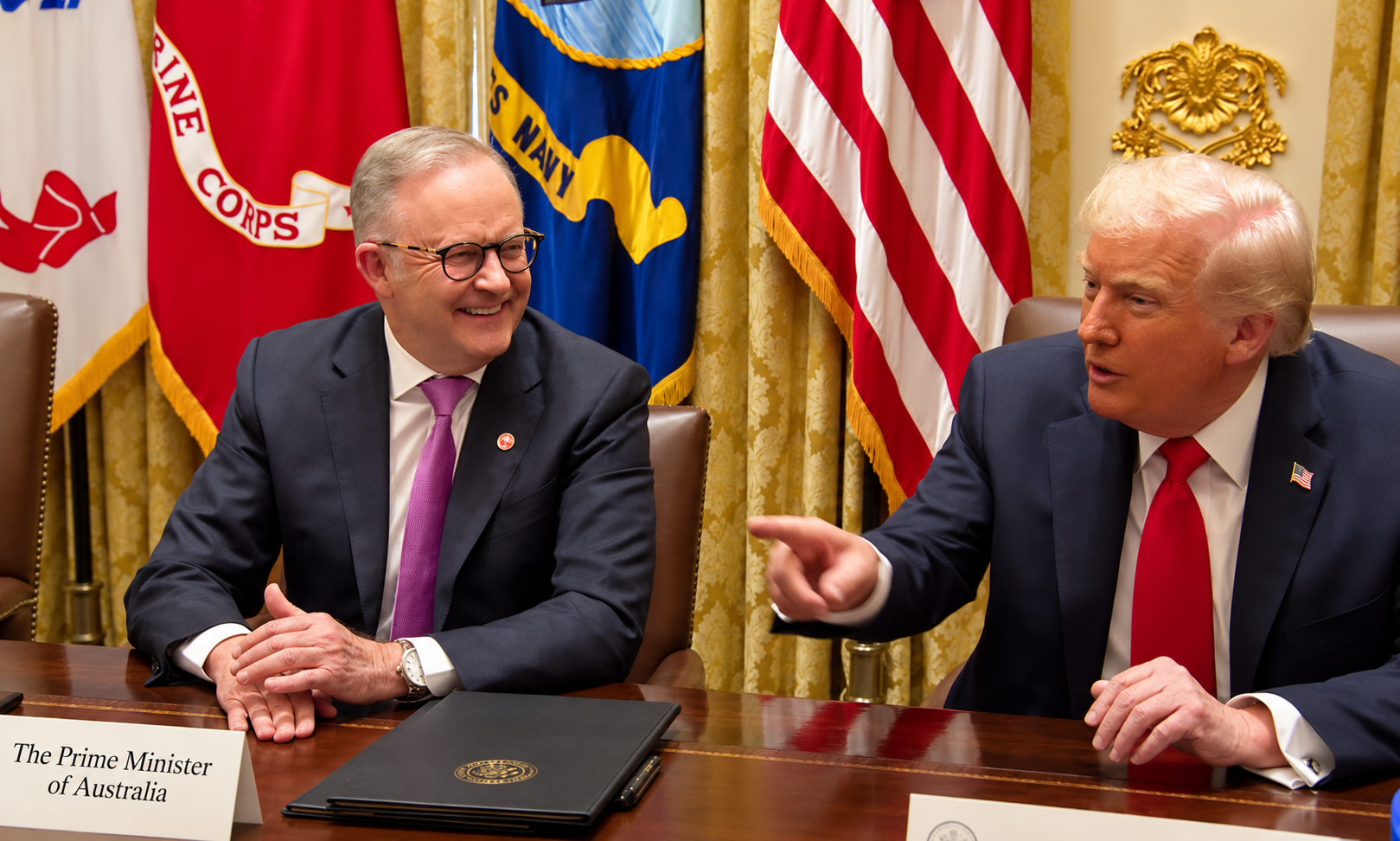
    As Coalition figures accuse Anthony Albanese of “jetting off” to the Caribbean while Australians struggle with the cost of living, the prime minister said his attendance at the Commonwealth Heads of Government Meeting (CHOGM) came at the personal request of King Charles.

    “[CHOGM] provides Australia an opportunity to work with some of our closest partners on shared challenges, including climate change, the preservation of our oceans, trade and investment, and the rise of AI,” Mr Albanese said.

    “It’s also an important opportunity for Australia to advance our campaign for a seat on the United Nations Security Council in 2029-30.”

    The availability of leaders from 56 nations will also give Mr Albanese an opportunity to speak to key negotiating blocs ahead of summit season, with COP 31, APEC, G20, and the East Asia Summit all in November.

    PM to discuss trade, backpackers with UK

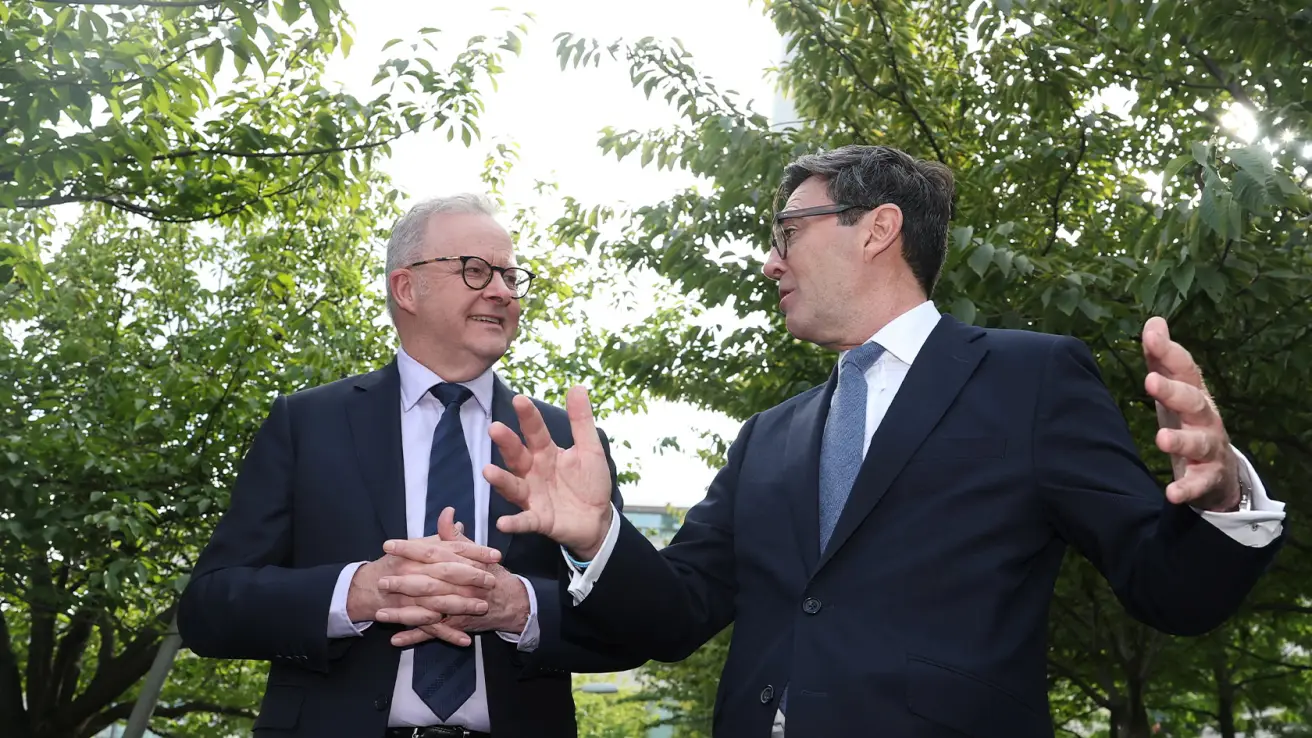
    Mr Albanese will hold sideline talks with UK Prime Minister Andy Burnham and Canada’s Prime Minister Mark Carney, and is expected to meet several Pacific and African leaders.

    While Mr Albanese and Mr Burnham briefly met on the sidelines of the UN General Assembly in September, their first official meeting is set to focus on AI, fuel security amid war in the Middle East, and ballooning British backpacker numbers.

    Under a 2021 Morrison-era free trade deal, a rule forcing British backpackers to work in rural and regional Australia was scrapped, leading to a near doubling of UK working holiday-makers.

    The government has already directed a “go slow” on processing UK working holiday visas, sitting at about 80,000 per year, but will still allow UK citizens to bypass rural and regional work.

    Labor has also introduced a backpacker visa lottery, capping second-year visas at 45,000 and third-year visas at 5,000.

    The agreement has been partly blamed for worsening labour shortages in rural Australia and persistently high Net Overseas Migration levels.

    ‘Untapped potential’ of Commonwealth

    CHOGM is one of the few multilateral forums without the presence of the US or China, but geopolitics will still loom large over the summit.

    Over the past two decades, China has poured billions into the region, funding major infrastructure projects across the Caribbean, including Antigua’s main port, airport and cricket stadium where CHOGM events will tee off.

    Last week, the Trump administration announced it would invest more than $US340 million ($484 million) across 15 Caribbean nations, focusing on digital infrastructure, health care and regional security.

    Donald Trump points with his right index finger while speaking into a microphone at a rally.

    US President Donald Trump is investing more in Carribean nations. (Reuters: Umit Bektas)

    In a pre-CHOGM speech, Commonwealth Secretary-General Shirley Botchwey called for far greater trade cooperation and social mobility among Commonwealth nations, whose combined economies are worth nearly $30 trillion.

    “I believe passionately in the Commonwealth’s potential to benefit its members and their people today and in the future. And that full potential is still untapped,” she said.

    Ms Botchwey also called for “bold and urgent change” in the international system amid “a new era of fracture”.

    “What’s clear is that business as usual in international affairs will no longer cut it,” she said.abcnews
  • Aliyev aides say summit absence was response to Erdoğan’s Baku no-show: journalist

    Aliyev aides say summit absence was response to Erdoğan’s Baku no-show: journalist

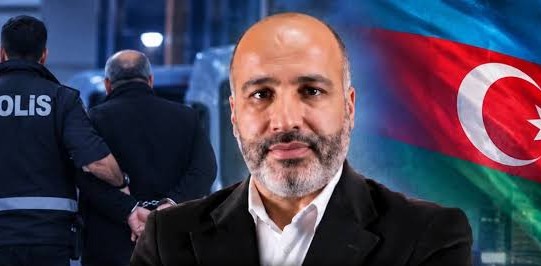
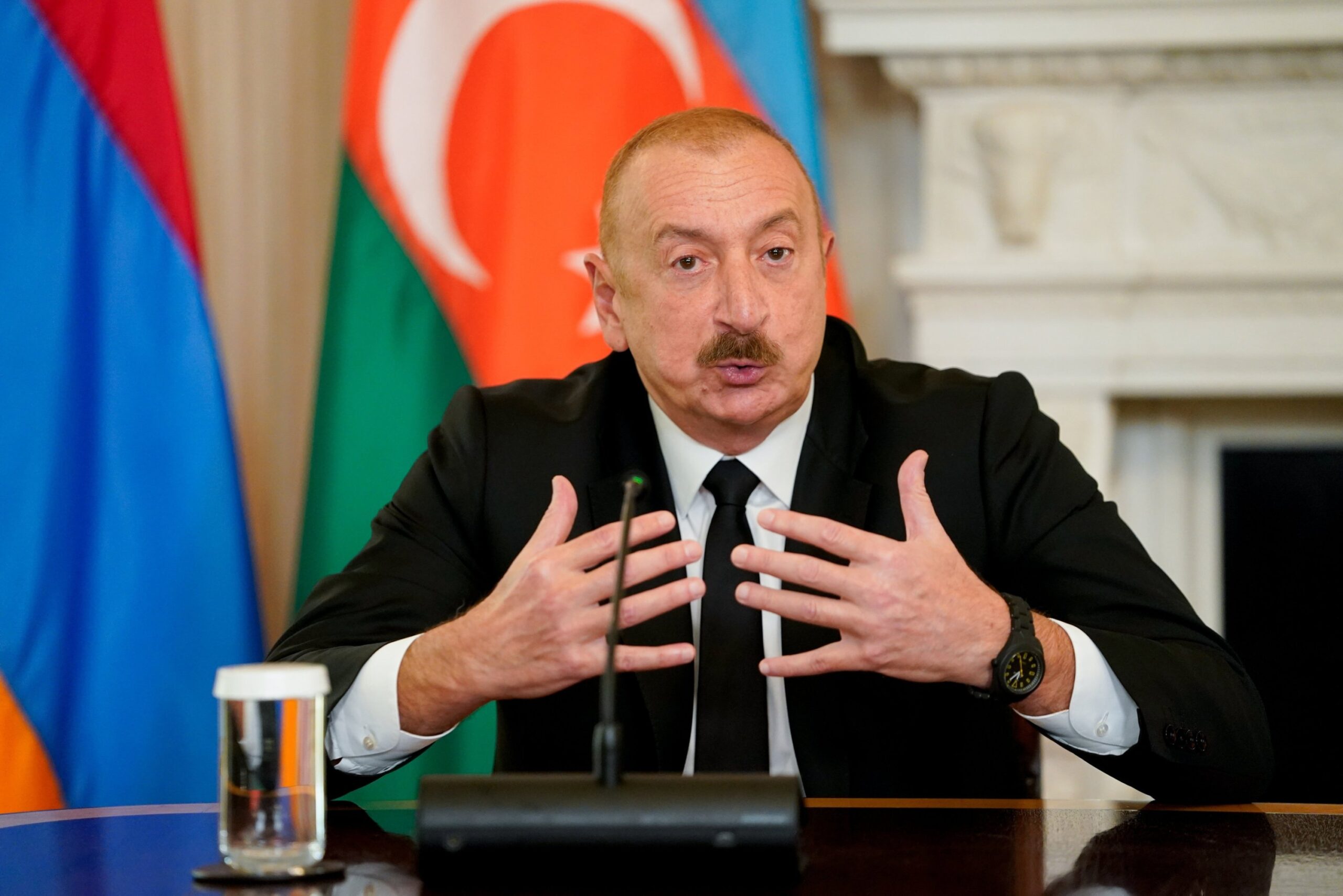
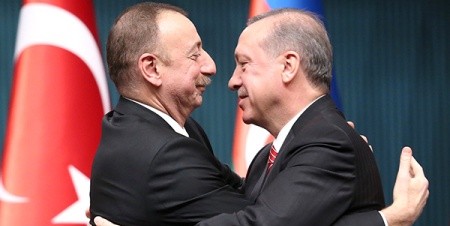
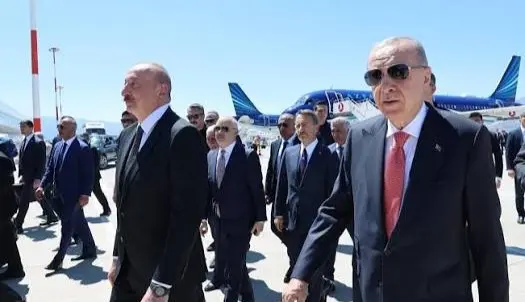
    Azerbaijani President Ilham Aliyev’s aides described his absence from Friday’s Organization of Turkic States (OTS) summit in Ankara as a response to Turkish President Recep Tayyip Erdoğan’s decision to skip a meeting in Baku earlier this month, Turkish journalist Deniz Zeyrek reported on the T24 news website.

    Zeyrek said Aliyev’s aides pointed to Erdoğan’s absence from the October 15 summit of the Conference on Interaction and Confidence Building Measures in Asia (CICA), a regional security forum, in Baku.

    Turkey sent Foreign Minister Hakan Fidan instead. Azerbaijan’s decision to send Foreign Minister Jeyhun Bayramov to Ankara for the Organization of Turkic States summit, a gathering promoting cooperation among Turkic-language-speaking countries, followed the same principle, the aides reportedly said.

    They also wanted Turkey to take action against seven Turkish citizens accused of targeting Azerbaijan and its leadership, according to Zeyrek’s account.

    The alleged demands follow a dispute over Azerbaijani school uniform regulations that have reportedly led to girls wearing Islamic headscarves being excluded from classes. Criticism from Turkish politicians and religious groups prompted accusations from Azerbaijan’s ruling party that they were interfering in the country’s domestic affairs.

    They complained that only two of the seven Turkish citizens on a list submitted by Baku had been questioned and sought action against all seven, along with the closure of social media accounts accused of targeting Azerbaijan.

    That account differs from the publicly stated explanation for Aliyev’s absence. Azerbaijan’s Report Information Agency cited previously scheduled commitments, including a youth football tournament’s closing ceremony in Baku.

    Aliyev stayed away despite Erdoğan’s personal invitation during an October 21 telephone conversation.

    Friday’s OTS summit brought together Turkey, Azerbaijan, Kazakhstan, Kyrgyzstan and Uzbekistan, which cooperate on political, economic and cultural issues. Bayramov represented Azerbaijan as Turkey assumed the organization’s rotating chairmanship.

    A Thursday analysis by APA, an Azerbaijani news agency close to Aliyev’s government, also defended his absence on grounds of diplomatic reciprocity. It accused Turkey’s ruling Justice and Development Party (AKP) and allied religious groups of fueling hostility toward Azerbaijan.

    The school dispute intensified after Erdoğan adviser Oktay Saral criticized the restrictions on October 12, saying girls wearing headscarves should not be prevented from attending classes.

    Middle East Eye reported that Baku had asked Ankara to remove Saral and act against Turkish commentators accused of insulting Aliyev.

    Saral announced his resignation on October 26 after saying Erdoğan had instructed him to leave. Asked whether his departure was connected to his remarks about Azerbaijan, he replied, “Yes, it seems so.”

    Azerbaijan has also barred 31 Turkish nationals, including journalists, political figures and religious commentators, from entering the country over statements related to the controversy.

    Reuters reported that the tensions also reflected disagreements over Azerbaijan’s sovereignty, its close relations with Israel and Turkey’s efforts to normalize relations with Armenia.

    Despite the tensions, Turkey and Azerbaijan maintain close military, energy and transportation ties. Opening Friday’s summit, Erdoğan emphasized unity among Turkic states.

    “There is no room for separation, division or discord in the Turkic world’s family portrait. We are all one, we stand together and, God willing, we are brothers for all eternity,” he said.

    Erdoğan said the leaders’ group photographs symbolized their commitment to a shared future and that Turkey would seek concrete results from the organization’s work during its rotating chairmanship.

  • Aliyev to skip Ankara summit despite Erdoğan’s invitation amid Turkey-Azerbaijan tensions

    Aliyev to skip Ankara summit despite Erdoğan’s invitation amid Turkey-Azerbaijan tensions

    Azerbaijani President Ilham Aliyev will not attend Friday’s Organization of Turkic States (OTS) summit in Ankara, Azerbaijani media reported Thursday, amid tensions between the two close allies over Turkey’s criticism of restrictions on headscarves in Azerbaijani schools.

    Aliyev will be represented by Foreign Minister Jeyhun Bayramov at the October 30 summit, according to the Azerbaijani Report Information Agency, which attributed his absence to previously scheduled engagements and a busy work schedule.

    The agency reported that Aliyev would attend the final and closing ceremony of the inaugural FIFA U-15 World Cup and Festival in Baku on Friday and present awards to the finalists. It said his participation in the ceremony had been arranged in advance.

    The announcement comes despite Turkish President Recep Tayyip Erdoğan’s personal invitation to Aliyev during an October 21 telephone conversation and the departure of Erdoğan’s chief presidential adviser, Oktay Saral, following a dispute over Azerbaijan’s restrictions on headscarves in schools.

    Saral criticized the restrictions in an October 12 post on X, saying it was unacceptable to prevent students wearing headscarves from exercising their right to education.

    Azerbaijan amended its school uniform regulations in September to prohibit clothing considered inconsistent with prescribed uniforms or secular education. Although the regulations do not explicitly mention headscarves, some students wearing them have reportedly been turned away from classes.

    Saral’s remarks prompted a sharp response from Azerbaijan’s ruling New Azerbaijan Party, which accused Turkish political figures of interfering in the country’s domestic affairs.

    In an October 25 interview with journalist Talat Atilla, Saral said he was leaving his position on Erdoğan’s instructions. Asked whether his departure was connected to his criticism of Azerbaijan, he replied, “Yes, it seems so.”

    Saral announced his resignation the following day.

    Middle East Eye had reported that Azerbaijan demanded Saral’s dismissal and legal action against Turkish commentators accused of insulting Aliyev.

    The dispute has also resulted in measures against Turkish citizens. Azerbaijan has barred 31 Turkish nationals, including journalists, political figures and religious commentators, from entering the country and issued arrest warrants for seven others over statements related to the controversy.

    Tensions between Ankara and Baku predate the headscarf controversy, Azerbaijani political analyst Arastun Orujlu told Meydan TV, an independent Azerbaijani news outlet operating in exile.

    He identified Azerbaijan’s increasingly close ties with Israel as a major source of friction, pointing to broader competition between Turkey and Israel for influence in the South Caucasus.

    Despite the tensions, Aliyev sent Erdoğan a message Thursday congratulating Turkey on the 103rd anniversary of the founding of the republic.

    He described Azerbaijan and Turkey as bound by genuine ties of friendship and brotherhood and said the 2021 Shusha Declaration had elevated their relationship to the level of an alliance.

    The announcement of his absence from the summit came later that day.

    Bayramov, who will represent Azerbaijan at the summit, attended Thursday’s meeting of the OTS Council of Foreign Ministers in Ankara and met with his Turkish counterpart, Hakan Fidan.

    The ministers discussed bilateral relations and regional and international developments, according to the Azerbaijani Foreign Ministry.

    Friday’s summit, hosted by Erdoğan, will mark Turkey’s taking over the organization’s rotating chairmanship from Azerbaijan.

    The OTS, which brings together Turkey, Azerbaijan, Kazakhstan, Kyrgyzstan and Uzbekistan, promotes political, economic and cultural cooperation among Turkic-speaking countries.

    According to the organization’s official announcement, the leaders are expected to discuss trade, transportation, energy and institutional cooperation, appoint a new secretary-general and adopt the Ankara Declaration.

    Turkey and Azerbaijan maintain close military, energy and transportation ties and frequently describe their relationship as “one nation, two states.”

  • Turkey accused of blocking Kurdish visitors from returning home to Germany

    Turkey accused of blocking Kurdish visitors from returning home to Germany

    Turkey is preventing Kurdish visitors from returning to their homes in Germany through bans on leaving the country, a Kurdish community organization said Wednesday, calling for German diplomatic intervention, Deutsche Welle reported.

    The Kurdish Community in Germany (KGD) said reports had increased in recent weeks of people unable to return after vacations or family visits to Turkey, including some of its members. Those affected also included Kurdish residents of other European countries.

    In an October 28 statement the organization said numerous people faced exit bans and investigations into alleged terrorist propaganda. It did not provide a total number of cases.

    The group also cited reports that some people had been asked to pay up to 10,000 euros to have the bans lifted. It called for an urgent, independent investigation into those allegations but did not identify who allegedly demanded the money.

    The KGD urged the German government to summon Turkey’s ambassador for an explanation and provide diplomatic assistance to those affected, particularly German citizens and permanent residents, within the scope of available consular support.

    The organization said the cases reflected a longstanding pattern of questioning, detention, criminal investigations and travel restrictions targeting people visiting Turkey from Germany, particularly Kurds.

    Such proceedings frequently involve accusations of insulting the president, spreading terrorist propaganda or having links to banned organizations, the group said. It said the accusations often concern criticism of the Turkish government, social media posts or participation in political events in Germany.

    KGD Deputy Chairman Mehmet Tanrıverdi said people should not face prosecution during visits to Turkey for exercising freedom of expression and assembly in Germany.

    The group said the pressure created a climate of intimidation beyond Turkey’s borders and called on Berlin to make protecting those affected a priority in relations with Ankara.

    Germany’s Foreign Office warns in its travel advice for Turkey that German citizens can face arbitrary detention and exit bans. It says participation in demonstrations in Germany, signing petitions supporting Kurdish independence or membership in legally registered associations advocating for Kurdish rights can lead to prosecution or travel restrictions in Turkey, even years later.This article is republished from the  https://stockholmcf.org/


  • Turkey detains journalist over posts criticizing Azerbaijan’s school headscarf restrictions

    Turkey detains journalist over posts criticizing Azerbaijan’s school headscarf restrictions

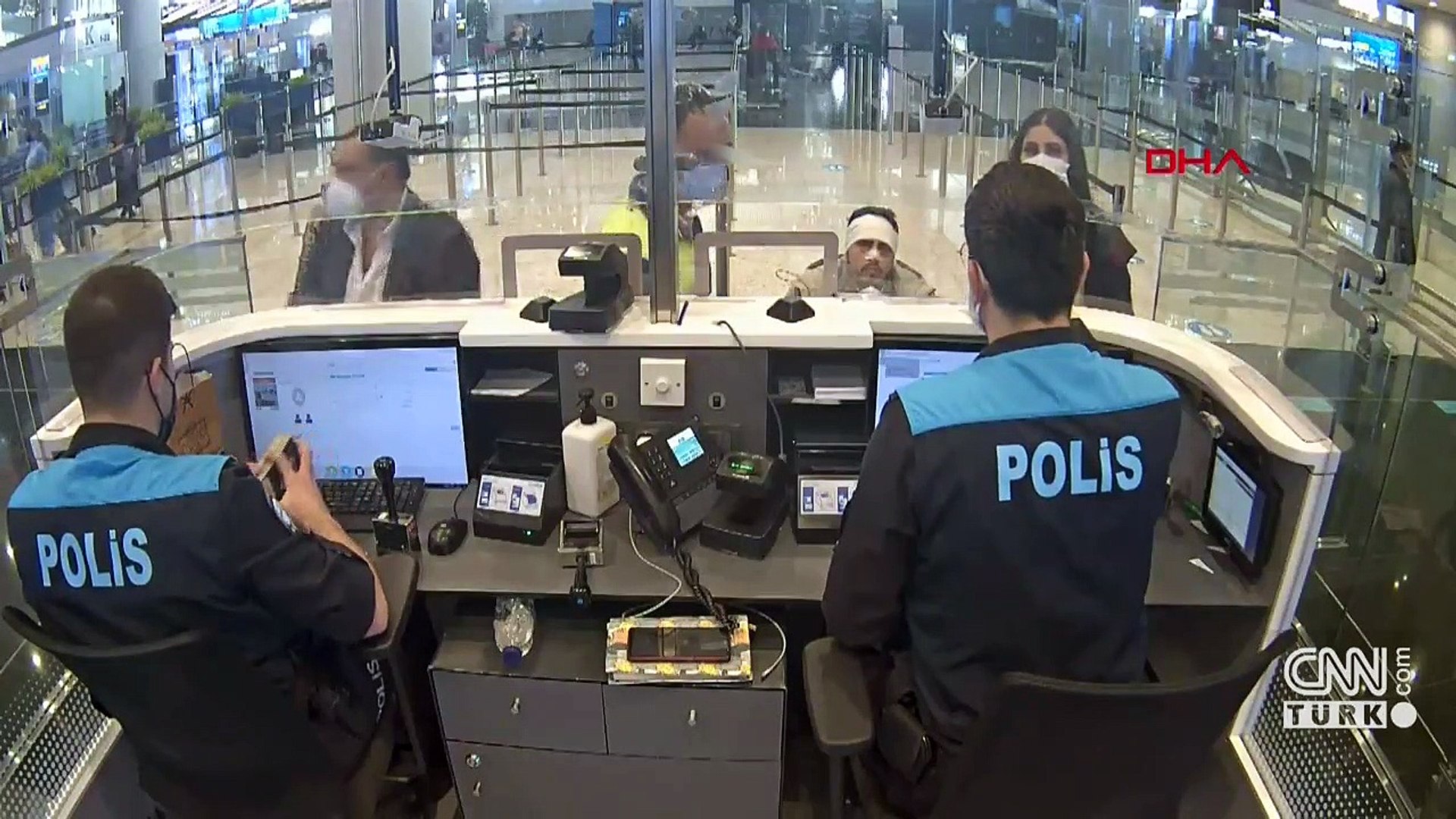
    Turkish police detained Ahmet Sapa, a columnist and the Hatay representative of the Islamist Köklü Değişim media outlet, at his home in southern Turkey on Tuesday over social media posts criticizing headscarf restrictions in Azerbaijani schools, the outlet’s general coordinator, Mahmut Kar, said.

    Sapa’s detention followed that of Muhammed Emin Yıldırım, the outlet’s İstanbul representative, on Monday night. Yıldırım was released Tuesday morning after questioning on suspicion of insulting a foreign head of state. He had called Azerbaijani President Ilham Aliyev a “tyrant” on social media and a “dictator” during a protest, Deutsche Welle’s Turkish service reported.

    Activist Fatih Erşahin was also summoned for questioning by Ankara police over social media posts and released afterward. Another person, whose name was not disclosed, was detained and released in Ankara, bringing the number of people investigated to four, according to the same report.

    Kar questioned whether Aliyev’s administration had provided Turkish officials with a list of people to target. No such list has been publicly confirmed, and Turkish officials had not publicly explained the detentions.

    The cases prompted criticism from politicians and public figures. Mahmut Şahin, deputy chair of the Islamist Free Cause Party (HÜDA PAR), called the detentions “unacceptable,” while Nureddin Gül, a deputy chair of the New Welfare Party (YRP), criticized the action against Yıldırım.

    Ömer Faruk Gergerlioğlu, a lawmaker from the pro-Kurdish Peoples’ Equality and Democracy Party (DEM Party) who is among the Turkish citizens barred from entering Azerbaijan, also criticized the developments.

    The detentions followed protests outside Azerbaijan’s embassy in Ankara and consulate in İstanbul organized by Köklü Değişim, an outlet associated with Hizb ut-Tahrir, an Islamist movement seeking to establish a caliphate.

    The dispute centers on school dress rules Azerbaijan amended on September 21. The rules do not explicitly mention headscarves but prohibit clothing considered inconsistent with the secular character of education. Girls wearing headscarves have since been refused entry to schools.

    Azerbaijani prosecutors have cited speeches at protests on October 3 and October 13 as evidence against Rıdvan Kaya and Zekeriya Ceran. Ceran, who writes for Köklü Değişim under the name Abdullah İmamoğlu, is among seven people sought internationally after a Baku court ordered their arrest in absentia on accusations of calling for the government’s overthrow and inciting religious hostility. Prosecutors have also announced judicial cooperation with Turkey in that case.

    On October 21 Azerbaijan announced an entry ban on 31 Turkish citizens, including politicians, journalists, writers and academics, accusing them of making statements targeting the country’s sovereignty, national security and constitutional order. Yıldırım and Gergerlioğlu were among those listed.

    Oktay Saral, a chief adviser to Turkish President Recep Tayyip Erdoğan who had criticized the restrictions, announced his resignation on Monday.

    Aliyev criticized foreign interference in countries’ domestic affairs during a speech Tuesday at the seventh World Forum on Intercultural Dialogue in Baku, questioning the right of outsiders to tell an independent country “how to live.”

  • Turkey jails journalist Mehmet Yılmaz over alleged Gülen links

    Turkey jails journalist Mehmet Yılmaz over alleged Gülen links

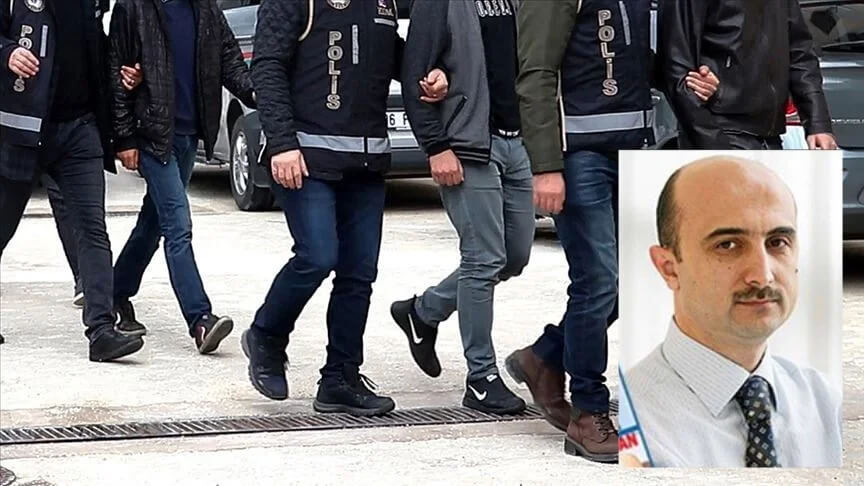
    A Turkish court has jailed journalist Mehmet Yılmaz, a former editor at newspapers shut down by the government following a coup attempt in 2016 over alleged links to the faith-based Gülen movement, the state-run TRT Haber news website reported.

    Police detained Yılmaz, whom the authorities had been seeking for a decade, along with Abdullah Ilık, convicted on terrorism charges over alleged Gülen links, and Serdar Uluocak, a dismissed police officer, during raids in four İstanbul districts. The two other men were also jailed.

    Yılmaz previously worked as an editor at the Bugün daily and held various positions at the Zaman newspaper before becoming editor-in-chief of the Özgür Düşünce newspaper.

    Following a July 2016 coup attempt, Turkish authorities shut down more than 160 media outlets by emergency decree and jailed scores of journalists, many over alleged links to the Gülen movement.

    Police accused Yılmaz of using ByLock, an encrypted messaging app, once widely available on Apple’s App Store and Google Play, that Turkish authorities claim was used as a secret communication tool for Gülen supporters.

    Turkish President Recep Tayyip Erdoğan has targeted the faith-based Gülen movement, inspired by Muslim cleric Fethullah Gülen, who died in 2024, since corruption investigations in December 2013 implicated Erdoğan as well as some members of his family and inner circle. He dismissed the probes as a Gülenist conspiracy and designated the movement as a terrorist organization in May 2016, intensifying a sweeping crackdown after the coup attempt in July of the same year that he accused Gülen of orchestrating. The movement denies involvement in the coup attempt or any terrorist activity.

    Ilık had been sought by authorities for three years and had previously been sentenced to more than six years in prison for membership in an armed terrorist organization over alleged links to the Gülen movement.

    The report did not specify the charges against Uluocak or whether he had been previously convicted of any crime.

    According to the latest figures from the justice ministry, more than 127,000 people have been convicted of alleged links to the movement since 2016, with 10,485 still in prison and legal proceedings ongoing against 83,404 individuals.

    This article is republished from the Stockholm Center for Freedom.

  • Turkish teacher facing possible cancer recurrence jailed again over alleged Gülen links

    Turkish teacher facing possible cancer recurrence jailed again over alleged Gülen links

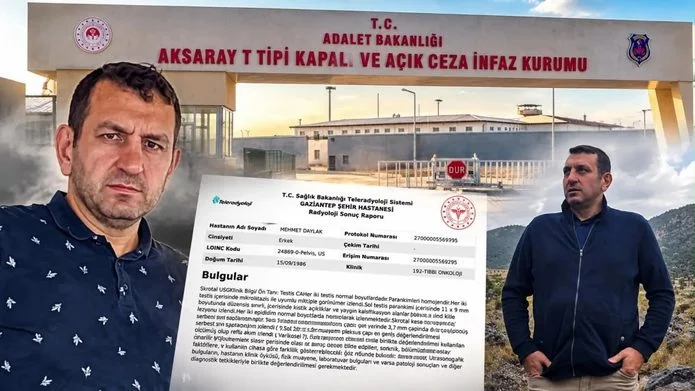
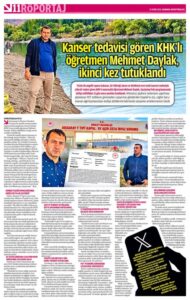
    A former Turkish teacher who underwent extensive treatment for advanced cancer has been jailed again over alleged links to the faith-based Gülen movement 13 days after his release, preventing him from undergoing a medical examination for a possible recurrence of the disease, the TR724 news website reported.

    Mehmet Daylak, who has been assessed as 86 percent disabled under Turkey’s medical disability classification, indicating a severe loss of bodily function, was taken into custody on October 7, a day before he was scheduled to undergo a PET scan, according to his wife.

    The Gaziantep 2nd High Criminal Court sentenced Daylak to more than seven years in prison on September 24 for membership in an armed terrorist organization over alleged links to the Gülen movement but ordered his release pending appeal. His conviction is not yet final.

    Daylak was arrested on May 5, 2025, as part of an investigation into the alleged restructuring of the Gülen movement.

    His wife said recent MRI and CT scans had shown abnormalities suggesting the cancer might have returned. After his release in September, Daylak visited Hacettepe University Hospital in Ankara, where a PET scan was scheduled for October 8.

    Police detained Daylak in the central province of Aksaray following a prosecutor’s objection to a court order for his release. His wife said the family had submitted medical reports and requests for examinations to the authorities but had been unable to secure his release. Daylak is currently being held at Aksaray Prison.

    Turkish President Recep Tayyip Erdoğan has targeted the faith-based Gülen movement, inspired by Muslim cleric Fethullah Gülen, who died in 2024, since corruption investigations in December 2013 implicated Erdoğan as well as some members of his family and inner circle. He dismissed the probes as a Gülenist conspiracy and designated the movement as a terrorist organization in May 2016, intensifying a sweeping crackdown after a coup attempt in July of the same year that he accused Gülen of orchestrating. The movement denies involvement in the coup attempt or any terrorist activity.

    Daylak was diagnosed with testicular cancer in 2014, which later progressed to stage four and spread to several parts of his body. According to his wife, he underwent multiple surgeries, intensive chemotherapy and a stem cell transplant. His treatment included the removal of his left kidney, gallbladder and part of his liver.

    Daylak also suffers from diabetes and gout, which sometimes leave him unable to walk for extended periods, his wife said. She expressed concern that his health could deteriorate further in prison and called for uninterrupted access to medical examinations and treatment.

    Pro-Kurdish Peoples’ Equality and Democracy Party (DEM Party) lawmaker and human rights defender Ömer Faruk Gergerlioğlu criticized the decision to return Daylak to prison despite his serious health problems, accusing authorities of disregarding the health of seriously ill prisoners and adding to overcrowding in prisons.

    Following his cancer treatment, Daylak was appointed as a mathematics teacher in 2015 through a government recruitment program for people with disabilities and began working in Osmaniye.

    Daylak was first jailed in 2017 over alleged links to the Gülen movement and released seven months later on health grounds. He was subsequently sentenced to more than eight years in prison on terrorism charges based on activities including depositing money in Bank Asya, a now-closed bank linked to the movement. The Supreme Court of Appeals overturned the conviction, and the case remains pending.

    According to the latest figures from the justice ministry, more than 127,000 people have been convicted of alleged links to the movement since 2016, with 10,485 still in prison and legal proceedings ongoing against 83,404 individuals.

  • Azerbaijan seeks to contain Azerbaijan dispute ahead of regional summit

    Azerbaijan seeks to contain Azerbaijan dispute ahead of regional summit

    Turkey is seeking to contain a growing dispute with Azerbaijan over criticism of school headscarf restrictions, as reports of demands from Baku and uncertainty over President Ilham Aliyev’s attendance at an upcoming regional summit put the relationship under pressure.

    Azerbaijan’s decision to bar 31 Turkish nationals from entering the country on Wednesday expanded the dispute beyond the seven Turkish citizens facing arrest in absentia over alleged calls to overthrow the Azerbaijani government. The entry ban list includes opposition politicians, media figures and religious writers, with Azerbaijani officials accusing those named of making statements that threaten the country’s sovereignty and national security.

    The dispute began after Azerbaijan amended its school uniform rules on September 21 to prohibit clothing considered incompatible with prescribed uniforms or secular education. Although the rules do not explicitly mention headscarves, reports that girls wearing them were turned away from classrooms prompted protests and criticism from Turkish politicians.

    On October 12 Oktay Saral, a chief adviser to Turkish President Recep Tayyip Erdoğan, called the restrictions unacceptable and urged Azerbaijan to reverse them. Members of Erdoğan’s ruling Justice and Development Party (AKP) also criticized the policy. The following day, Azerbaijan’s ruling New Azerbaijan Party (YAP) accused Saral and AKP lawmakers of making “populist and irresponsible” statements and interfering in the country’s domestic affairs.

    A Middle East Eye report published October 19, citing three officials and a source familiar with the matter, said Baku had asked Ankara to dismiss Saral, prosecute social media commentators who had insulted Aliyev and block accounts identified by Azerbaijani officials. Turkey blocked some of the accounts but had taken no further action.

    Azerbaijani media outlets close to the government subsequently accused Turkish Foreign Minister Hakan Fidan of encouraging unrest against Aliyev following Fidan’s visit to Baku. The Turkish Embassy rejected the allegations, denying that Fidan had held secret meetings or issued instructions to interfere in Azerbaijan’s domestic affairs. Azerbaijani news outlet Qafqazinfo removed passages targeting Fidan after the embassy’s denial. Azerbaijan’s Press Council also criticized some Turkish media coverage, accusing outlets of exceeding the bounds of press freedom.

    Turkish political figures have sought to limit the fallout. Former prime minister Binali Yıldırım said Saral’s comments did not represent official Turkish policy, while Nationalist Movement Party (MHP) leader Devlet Bahçeli called for common sense.

    The dispute comes as Turkey and Azerbaijan prepare for the 13th summit of the Organization of Turkic States in Ankara, where Turkey is due to take over the group’s chairmanship from Azerbaijan. Foreign ministers are scheduled to meet on October 29, followed by the heads-of-state summit on October 30.

    Turkish Foreign Ministry sources told the Cumhuriyet newspaper that all leaders had been invited and that Aliyev’s attendance was expected. Middle East Eye’s sources, however, said his participation remained unconfirmed.

    Separately, Turkey’s Center for Combating Disinformation, part of the Presidential Communications Directorate, said on October 20 that social media claims that someone had attempted to remove the Turkish flag in Azerbaijan relied on old footage. The center said the flag had not been taken down and accused those circulating the footage as recent of seeking to damage relations between the two countries.

    Azerbaijan’s Interior Ministry has said 37 people were detained during protests against enforcement of the school uniform rules. The dispute has put pressure on a relationship built on close political, military and cultural ties, which the two governments often describe with the phrase “one nation, two states.”

  • Erdoğan says Turkey shut or took over Gülen-linked schools in over 50 countries, vows to press on

    Erdoğan says Turkey shut or took over Gülen-linked schools in over 50 countries, vows to press on

    Turkey has secured the closure or takeover of schools linked to the faith-based Gülen movement in more than 50 countries, President Recep Tayyip Erdoğan said on Thursday, vowing to continue his government’s campaign against the group abroad.

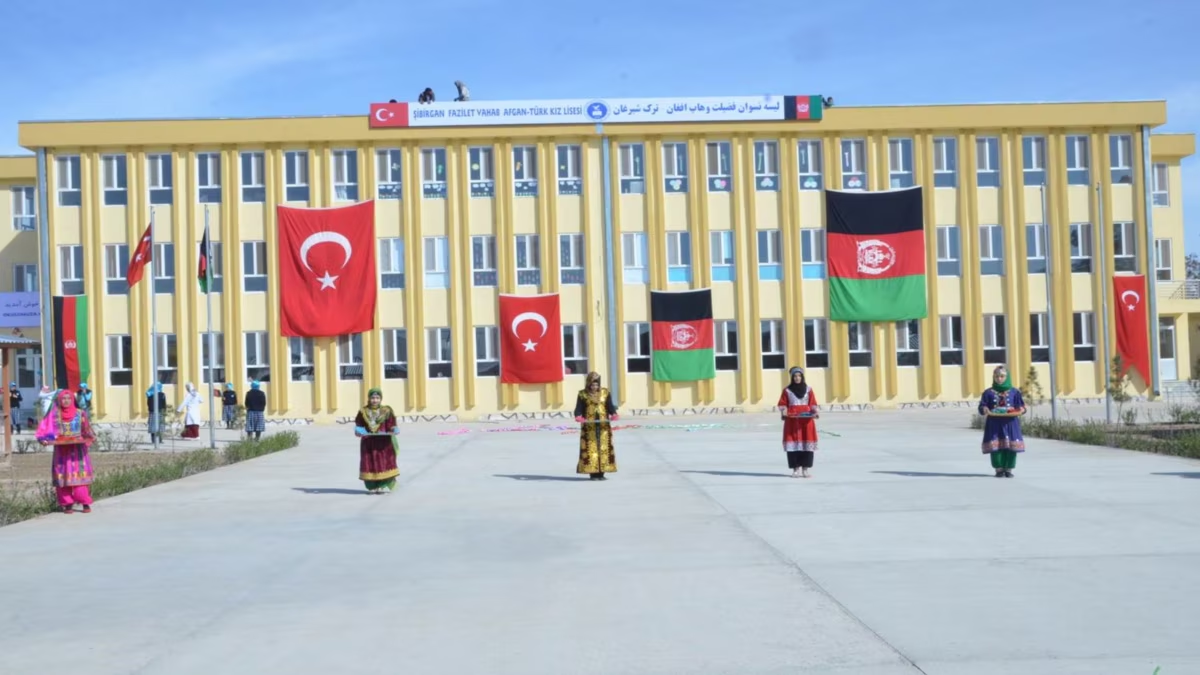
    Speaking at an event in Ankara marking the 10th anniversary of the state-run Turkish Maarif Foundation (TMV), Erdoğan praised the foundation’s takeover of schools previously associated with the movement and credited the Foreign Ministry, the foundation and other government institutions with carrying out the campaign abroad. He said the campaign had intensified after a July 2016 coup attempt.

    Erdoğan also described the Gülen movement as a “network of treachery” and its schools “dens of sedition,” saying its supporters would become “much more pitiable, much more wretched.” The remarks reflect a longstanding pattern of hate speech, with Erdoğan and other government officials portraying the movement’s followers as internal enemies and using dehumanizing language to legitimize their persecution, while pro-government media have amplified the rhetoric.

    Erdoğan has targeted the faith-based Gülen movement, inspired by Muslim cleric Fethullah Gülen, who died in 2024, since corruption investigations in December 2013 implicated Erdoğan as well as some members of his family and inner circle. He dismissed the probes as a Gülenist conspiracy and designated the movement as a terrorist organization in May 2016, intensifying a sweeping crackdown after the coup attempt in July of the same year that he accused Gülen of orchestrating. The movement denies involvement in the attempted coup or any terrorist activity.

    Erdoğan did not identify the countries involved, specify how many schools were affected or say where closures had been complete or partial.

    A July 2026 report by the human rights group Solidarity with Others documented the closure, confiscation or transfer of at least 162 Gülen-linked educational institutions in 29 countries, based on data compiled through March 2023. Of those, 131 were taken over directly by the Turkish Maarif Foundation. The report estimated that approximately 7,800 employees were affected.

    Since the July 2016 coup attempt, Ankara has pressed foreign governments to close or transfer Gülen-linked schools to the TMV, part of a broader campaign against perceived opponents abroad that human rights organizations have described as transnational repression.

    The foundation is the only organization other than Turkey’s Education Ministry authorized to open schools overseas on behalf of the Turkish state.

    The campaign has also extended beyond school closures and takeovers to the educators themselves. SCF has documented cases of educators associated with the Gülen movement being abducted or forcibly returned to Turkey from countries including Kosovo, Pakistan, Malaysia and Myanmar. Many Turkish teachers at schools targeted for takeover fled their host countries, fearing arrest or extradition, and sought refuge in Europe, the United States or Canada.

    The Parliamentary Assembly of the Council of Europe (PACE) cited Freedom House data listing Turkey among the world’s 10 leading perpetrators of physical transnational repression in a June resolution. The rights group documented 160 such incidents attributed to Turkey from 2014 through 2025.

    This article is republished from the Stockholm Center for Freedom.

  • Australia joins statement issued by several nations condemning Trump attack on ICC

    Australia joins statement issued by several nations condemning Trump attack on ICC

    The federal government has belatedly joined international criticism of the Trump administration’s latest assault on the International Criminal Court (ICC), prompting questions about Australia’s “sluggish” response to sweeping US sanctions designed to cripple it.

    Japan, Canada, Denmark, Germany, France, Italy, the Netherlands and the United Kingdom issued a statement late on Friday reaffirming their “continued and unwavering support for the independence, impartiality, and integrity of the ICC”.

    It came just hours after US Secretary of State Marco Rubio unveiled new sanctions freezing the court’s US assets and cutting it off from American companies.

    “As committed supporters of the ICC we regret and strongly disagree with the announcement of sanctions to be imposed upon the Court by the United States,” they said.

    “If put into effect, these sanctions will have a significant impact on the Court’s work, its dedicated staff and their families. They work every day to bring those accused of the most serious international crimes to justice and to support their victims.”

    Australia was not listed on the statement when it was first issued on Saturday morning, local time, and the government’s initial silence drew fierce criticism from legal experts, who accused it of cowardice.

    But late on Monday Australia’s name was added to the list of countries on the joint statement, which was then uploaded to the Department of Foreign Affairs and Trade (DFAT) website.

    A federal government spokesperson told the ABC that Australia was invited to join the statement only after it was first published, and that Australia signalled to the Netherlands on Sunday that it would be willing to put its name on it.

    An official from a European country backed that account and defended Australia’s approach, saying it took time to coordinate a position across continents over the weekend.

    A second official from another Western country also said they did not believe that Australia had “hesitated” to join the statement and the process simply “took time”.

    But they said the Australian government was still taking a much more “careful” and “low profile” approach to defending the ICC when compared with other US allies.

    They drew a contrast between Japanese Prime Minister Sanae Takaichi  who on Friday night issued a statement in English and Japanese sharply criticising the sanctions  and Prime Minister Anthony Albanese and Foreign Minister Penny Wong, who have not made any personal statements on the issue.

    Canberra’s cautious approach

    Last month the foreign minister declined to directly criticise the Trump administration over the sanctions during an interview with SBS, saying that she “spoke for Australia” not the US.

    Woman standing and looking

    Professor Catherine Renshaw said it was disappointing Australia did not sign onto the original statement. (ABC News: Lydia Feng)

    Officials told the ABC earlier this year that while there was deep unease in Canberra about the sanctions, Australia was wary of a fight with the Trump administration over it, particularly as the campaign against the court has been championed by US Secretary of State Marco Rubio.

    The Dean of Law at the University of Western Sydney, Professor Catherine Renshaw, said the government’s initial response was “sluggish” but that she was still pleased to see Australia eventually join the statement.

    “It was disappointing to see Australia not sign onto the original statement  it was particularly disappointing given Australia’s long history of building international law and support of institutions like the ICC,” she said.

    “But it’s a welcome development that Australia has now joined friends and allies in supporting international law.”

    “The foundational principle here is the defence of the rule of law and that is most important when the actions of powerful states threaten those fundamental principles.”

    The government has also been working with Australians employed by the ICC to help them “work through” the implications of the sanctions, although the Trump administration has offered a 180-day grace period before they are fully implemented.

    One official from a third country said it was “surreal” to watch Western diplomats working out how they could best shield their nationals from US sanctions.

    Professor Renshaw said the US sanctions would create a “very difficult problem” because US companies and financial institutions played a “central” role providing the court with legal, travel and banking services.

    “Australians who work for the court will need to know that the Australian government will support them carrying out their work when it’s made far more difficult, complex and perilous by the actions of the US,” she said.ABC Australia