Category: Politics

  • Victorian Opposition pledges advertising support for independent multicultural media

    Victorian Opposition pledges advertising support for independent multicultural media

    Victoria’s Liberal and Nationals Opposition has pledged to direct a greater share of government advertising expenditure to independent multicultural media outlets if elected in November. Independent Multicultural Media Australia (IMMA) has welcomed the commitment and called on all political parties to adopt the same policy.

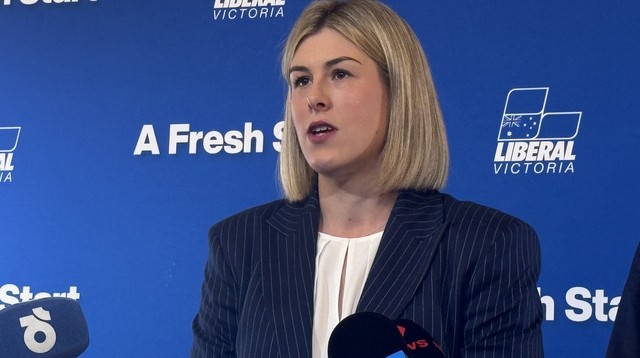
    Victorian Opposition Leader Jess Wilson and Shadow Minister for Multicultural and Multifaith Affairs Evan Mulholland announced the commitment on Monday, 19 October 2026.

    Under the proposal, a Wilson-led government would review Victoria’s existing commitment to allocate 15 per cent of government advertising expenditure to multicultural media and require at least half of the digital spending within that allocation to go directly to eligible independent multicultural media outlets.

    The policy would cover advertising on publishers’ websites, applications, newsletters, streaming services and publisher-owned social media channels.

    The commitment adopts Recommendation 25(a) of Victoria’s Multicultural Review.

    Advertising expenditure flowing to global platforms

    In a media statement issued on 21 October, IMMA said much of the advertising expenditure intended for multicultural communities had been directed to global platforms such as Meta and Google rather than independent multicultural media outlets.

    IMMA said it had raised this issue over several years and noted that Victoria’s Multicultural Review had reached the same conclusion.

    The Opposition’s announcement followed a meeting between Wilson, Mulholland, IMMA Chair Christopher Gogos and Deputy Chair Julius Larobina.

    Christopher Gogos welcomes the commitment

    IMMA Chair Christopher Gogos described the commitment as a significant step for the sector.

    “For years, money set aside to reach multicultural communities has gone to global platforms instead of the local outlets doing the work — in language or within the community, on the ground, every day. This commitment recognises that gap and does something practical to address it.”

    IMMA calls on all political parties to match the commitment

    Gogos also called on all political parties to make the same commitment ahead of Victoria’s November election.

    “We thank Jess Wilson and Evan Mulholland for engaging with this issue and with the findings of the Review. As a non-partisan organisation we encourage all parties to match this commitment, so that whoever forms government after November, Victoria’s multicultural media has a fair share of the advertising spend meant for the communities it serves.”

    About IMMA

    Independent Multicultural Media Australia (IMMA) is the national peak body for independent multicultural media, representing around 60 member organisations publishing more than 137 titles in over 30 languages across print, digital, radio and broadcast.
  • Erdoğan says Turkey shut or took over Gülen-linked schools in over 50 countries, vows to press on

    Erdoğan says Turkey shut or took over Gülen-linked schools in over 50 countries, vows to press on

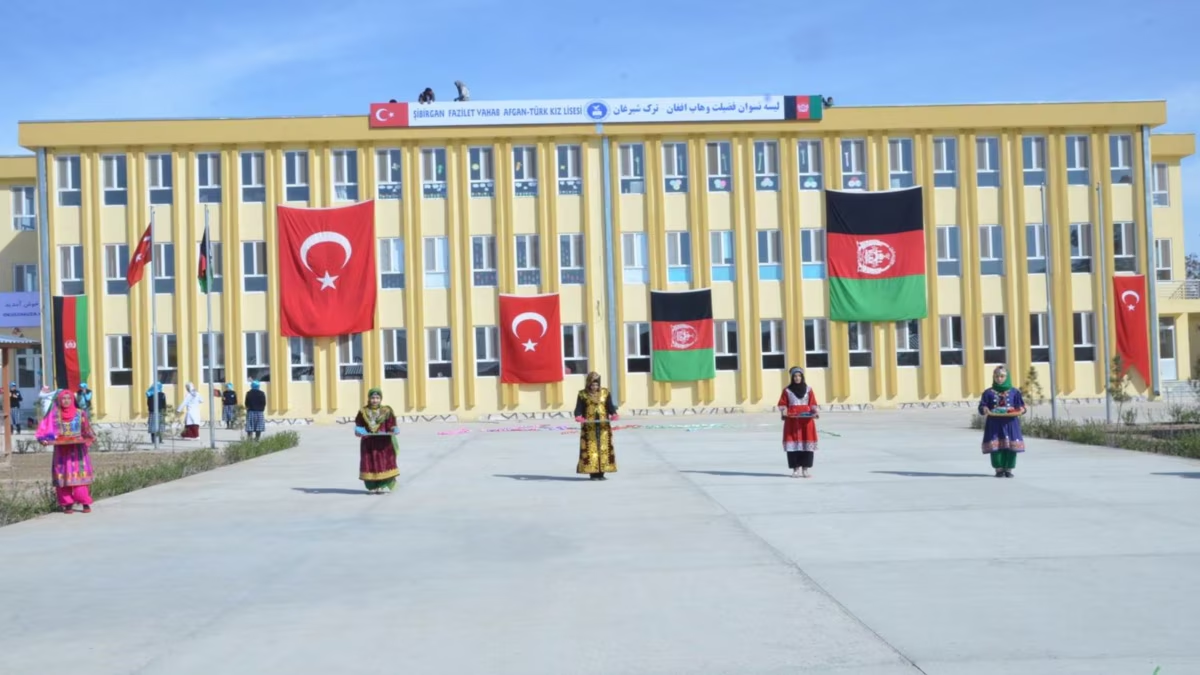
    Turkey has secured the closure or takeover of schools linked to the faith-based Gülen movement in more than 50 countries, President Recep Tayyip Erdoğan said on Thursday, vowing to continue his government’s campaign against the group abroad.

    Speaking at an event in Ankara marking the 10th anniversary of the state-run Turkish Maarif Foundation (TMV), Erdoğan praised the foundation’s takeover of schools previously associated with the movement and credited the Foreign Ministry, the foundation and other government institutions with carrying out the campaign abroad. He said the campaign had intensified after a July 2016 coup attempt.

    Erdoğan also described the Gülen movement as a “network of treachery” and its schools “dens of sedition,” saying its supporters would become “much more pitiable, much more wretched.” The remarks reflect a longstanding pattern of hate speech, with Erdoğan and other government officials portraying the movement’s followers as internal enemies and using dehumanizing language to legitimize their persecution, while pro-government media have amplified the rhetoric.

    Erdoğan has targeted the faith-based Gülen movement, inspired by Muslim cleric Fethullah Gülen, who died in 2024, since corruption investigations in December 2013 implicated Erdoğan as well as some members of his family and inner circle. He dismissed the probes as a Gülenist conspiracy and designated the movement as a terrorist organization in May 2016, intensifying a sweeping crackdown after the coup attempt in July of the same year that he accused Gülen of orchestrating. The movement denies involvement in the attempted coup or any terrorist activity.

    Erdoğan did not identify the countries involved, specify how many schools were affected or say where closures had been complete or partial.

    A July 2026 report by the human rights group Solidarity with Others documented the closure, confiscation or transfer of at least 162 Gülen-linked educational institutions in 29 countries, based on data compiled through March 2023. Of those, 131 were taken over directly by the Turkish Maarif Foundation. The report estimated that approximately 7,800 employees were affected.

    Since the July 2016 coup attempt, Ankara has pressed foreign governments to close or transfer Gülen-linked schools to the TMV, part of a broader campaign against perceived opponents abroad that human rights organizations have described as transnational repression.

    The foundation is the only organization other than Turkey’s Education Ministry authorized to open schools overseas on behalf of the Turkish state.

    The campaign has also extended beyond school closures and takeovers to the educators themselves. SCF has documented cases of educators associated with the Gülen movement being abducted or forcibly returned to Turkey from countries including Kosovo, Pakistan, Malaysia and Myanmar. Many Turkish teachers at schools targeted for takeover fled their host countries, fearing arrest or extradition, and sought refuge in Europe, the United States or Canada.

    The Parliamentary Assembly of the Council of Europe (PACE) cited Freedom House data listing Turkey among the world’s 10 leading perpetrators of physical transnational repression in a June resolution. The rights group documented 160 such incidents attributed to Turkey from 2014 through 2025.

    This article is republished from the Stockholm Center for Freedom.

  • 2 deputy mayors among 7 jailed in Ankara corruption probe

    2 deputy mayors among 7 jailed in Ankara corruption probe

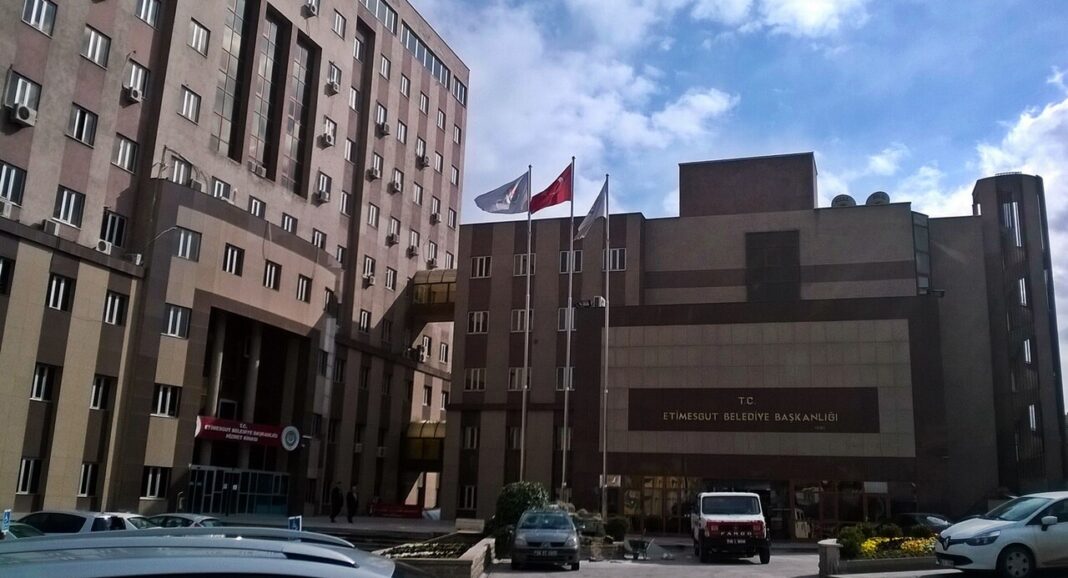
    A Turkish court on Saturday jailed two deputy mayors and five other people pending trial in a corruption investigation into Ankara’s opposition-run municipality of Etimesgut.

    Deputy Mayors Gültekin Bayındır and Fikret Gözüoğlu were among those jailed, while four other suspects were put under house arrest.

    The court decisions followed the detention of 25 people, five of them municipal employees, in raids across five provinces on October 13.

    Etimesgut, in western Ankara, is governed by the opposition Republican People’s Party (CHP).

    The investigation concerns allegations of forged documents and irregularities in municipal contracts, along with improper benefits connected to parking lot leases, zoning decisions and construction permits, according to the Ankara West Chief Public Prosecutor’s Office.

    The offenses under investigation range from bribery, embezzlement and extortion by public officials to forming a criminal organization, rigging tenders and misconduct in carrying out public contracts.

    Nine detainees gave statements under provisions offering leniency for cooperation with investigators, while prosecutors requested judicial supervision for five others, according to a prosecution statement carried by state media.

    The court jailed seven of the 11 suspects whose pretrial detention prosecutors had requested, ordering house arrest for the other four.

    The case had already led to the jailing of Etimesgut Mayor Erdal Beşikçioğlu and 39 others pending trial on August 3, following the detention of 55 people on July 30.

    The Interior Ministry suspended Beşikçioğlu from office the day he was jailed.

    Beşikçioğlu, an actor who plays a homicide detective in the television series “Behzat Ç.,” was elected mayor in 2024.

    He has denied wrongdoing, arguing that some of the irregularities cited in audit reports were uncovered through an internal review he ordered.

    He also denied personal or commercial ties to the companies under investigation and maintained that the municipal tenders in question were outside his direct authority.

    CHP candidate Seda Dilber was elected acting mayor by the city council on August 10, with the support of members from President Recep Tayyip Erdoğan’s ruling party, defeating the New Party’s Mehmet Özdemir.

    The New Party was formed in July by former CHP leader Özgür Özel and lawmakers who left the party after a court removed him as chairman.

    The Etimesgut investigation is part of a series of cases targeting opposition-run municipalities following the CHP’s victory over Erdoğan’s Justice and Development Party (AKP) in the March 2024 local elections.

    Opposition politicians accuse the government of using the investigations to weaken Erdoğan’s rivals and reverse their electoral gains.

  • Mayoral defections, removals affect 156 municipalities since opposition victory in 2024 elections

    Mayoral defections, removals affect 156 municipalities since opposition victory in 2024 elections

    Turkey’s government has undermined voters’ choices in 156 municipalities since the March 2024 local elections through mayoral defections, trustee appointments and judicial action, an opposition lawmaker argued on Tuesday, the ANKA news agency reported.

    İbrahim Arslan, a lawmaker from the main opposition New Party representing the central province of Eskişehir, released a study based on Supreme Election Council (YSK) data examining changes in municipal administrations through October 12.

    The study put the municipalities’ combined electorate at 36,564,021, a figure Arslan compared with the 57,766,800 people eligible to vote in mayoral elections nationwide in 2024, calculating a share of 63.3 percent.

    Candidates who won the municipalities for opposition parties received 13.9 million votes, accounting for 50.45 percent of valid ballots cast there, the study calculated.

    Arslan counted 106 mayors who had joined President Recep Tayyip Erdoğan’s ruling Justice and Development Party (AKP) after being elected from other parties or as independents. Of those, 42 were elected from the Islamist New Welfare Party (YRP) and 36 from the Republican People’s Party (CHP).

    He accused the government of using threats, blackmail, the prospect of criminal investigations and its control over municipal funding to pressure mayors into switching parties.

    The study also identified 13 municipalities where elected mayors were replaced by government-appointed trustees, unelected officials who administer municipalities after mayors are removed from office, and 11 where arrests and changes in city council membership enabled the ruling bloc to take control.

    These three categories brought another 130 municipalities under government control after the elections, expanding its reach from the 541 mayoralties won by the AKP in 2024 to 671 municipalities, Arslan calculated.

    The broader total of 156 also covers municipalities where elected mayors were jailed or suspended and had not been reinstated.

    “The AKP added 130 municipalities it had not won at the ballot box to its tally through methods used after the elections,” he said.

    Of the 411 municipalities won by CHP candidates in March 2024, 50 had passed into the government’s control through defections, trustee appointments and changes in city council control, leaving 361 governed by the CHP and the New Party, the study found.

    Ten trustee appointments affected municipalities won by the pro-Kurdish Peoples’ Equality and Democracy Party (DEM Party), while three affected municipalities won by the CHP.

    The study identified interventions in nine metropolitan municipalities: Adana, Antalya, Aydın, Bursa, İstanbul, İzmir, Mardin, Mersin and Van. Their combined electorate totaled 24.3 million.

    The March 2024 elections dealt Erdoğan’s AKP its worst electoral defeat in more than two decades, with the CHP finishing first nationwide and retaining İstanbul and Ankara.

    The AKP took control of İstanbul’s Ataşehir district on Saturday after its elected mayor, Onursal Adıgüzel, and his replacement, Murat Güneş, were jailed and suspended. Six city council members elected on the CHP ticket had joined the AKP before the vote to select a new acting mayor.

    Forty mayors elected from the CHP have been arrested since the 2024 elections, a tally published by the İlke TV news website showed last week. The cumulative figure covers mayors who were subsequently released and does not represent the number currently in jail.

    The crackdown on opposition municipalities intensified after İstanbul Mayor Ekrem İmamoğlu, a political rival of Erdoğan, was jailed pending trial in March 2025.

    The New Party was formed in July by Özgür Özel and 90 other lawmakers after a court removed Özel from the CHP leadership in May and reinstated former party leader Kemal Kılıçdaroğlu.

    Opposition parties accuse the government of using the judiciary to reverse their election gains.

    Arslan urged opposition parties, civic groups and voters to defend election results through joint action, arguing that abandoning the ballot box would give the government more freedom to override voters’ choices.

  • Turkey investigates suspected tipoffs behind $8.1 billion in fund withdrawals

    Turkey investigates suspected tipoffs behind $8.1 billion in fund withdrawals

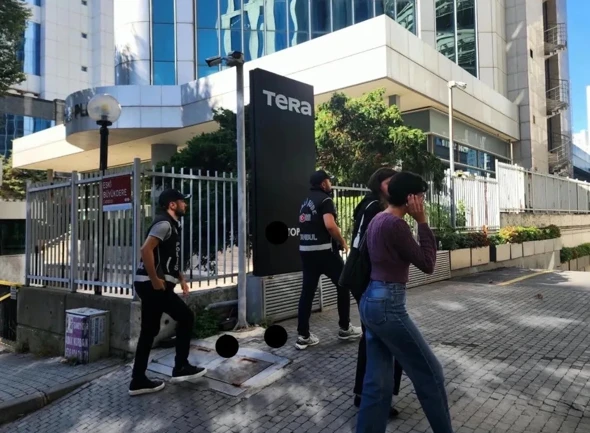
    Prosecutors in Turkey are investigating whether tipoffs about impending action helped investors withdraw 401.3 billion lira ($8.1 billion) from investment funds before regulators intervened, the Cumhuriyet daily reported on Monday.

    The İstanbul Chief Public Prosecutor’s Office is examining transactions by 440 investors between September 1 and 16, seeking to establish whether they acted on information that had not been made public.

    Withdrawals from Tera funds totaled 335.9 billion lira ($6.8 billion), involving 168 investors who each withdrew at least 100 million lira ($2 million). Another 272 investors withdrew at least 50 million lira ($1 million) each from Pusula funds, with their withdrawals totaling 65.4 billion lira ($1.3 billion).

    The figures represent withdrawals, rather than profits. Investigators are examining their timing and whether investors received advance warning about the investigation or restrictions on their accounts. The withdrawals alone do not establish wrongdoing.

    The Capital Markets Board (SPK), Turkey’s securities regulator, ordered the liquidation of 131 investment funds managed by seven companies on September 17, affecting 455,758 investors.

    The funds pooled investors’ money to buy securities, but some invested in stocks with few buyers and struggled to sell their holdings as prices fell and investors requested their money back. Prosecutors are investigating suspected share price manipulation.

    The inquiry has also led to the freezing of bank accounts belonging to 141 people and 73 companies identified as having earned a combined 187.7 billion lira ($3.8 billion) from funds managed by Tera, Pusula and Hedef. Courts imposed travel bans on the individuals and company managers..

    The Savings Deposit Insurance Fund (TMSF), the state agency handling the recovery of these gains, has begun notifying those on the list to return the money for payments to investors who suffered losses.

    Prosecutors separately announced an investigation Monday into people who shared documents marked confidential from the fund inquiry on social media, citing a law against violating investigation secrecy.

    Vice President Cevdet Yılmaz said Monday that investors would receive payments from fund assets, returned gains and proceeds from assets seized from people and companies implicated in the case, with no public money used.

    Nearly 44,000 investors had received payments following the liquidation of funds managed by A1 Capital, Bulls and Pardus, while negotiations continued over whether Atlas funds could be liquidated through the same procedure, Yılmaz explained during an interview with the state-run Anadolu news agency.

    A bill awaiting parliamentary approval would allow interim payments of up to 1 million lira ($20,000) based on investors’ net contributions. Previous withdrawals would count toward the recovery of their principal, excluding investors who had already recovered the amount they put in.

    A parliamentary committee is due to consider the bill Wednesday. Payments could begin this month if it becomes law, but some funds may lack enough assets to pay the proposed maximum, Yılmaz said.

    The government’s handling of the scandal has prompted demands to identify investors who benefited and examine their political connections.

    Abdullah Güler, parliamentary group chairman of President Recep Tayyip Erdoğan’s ruling Justice and Development Party (AKP), defended withholding the names of the 214 people and companies Friday, citing privacy protections and the presumption of innocence, the ANKA news agency reported.

    “We attach importance to the presumption of innocence,” Güler said.

    He urged investors who considered their gains unjustified to return them voluntarily. Under the proposed legislation, a return would not constitute an admission of liability, but would not remove any civil or criminal responsibility arising from unlawful conduct.

    AKP lawmakers and their allies in the Nationalist Movement Party (MHP) rejected five opposition proposals Thursday to advance parliamentary inquiries into the scandal, which sought scrutiny of political connections, suspected fraud and whether regulators ignored warnings.

    Criticism has also come from former AKP lawmaker Orhan Miroğlu, who accused people pursuing wealth of gaining influence in the party and state institutions. He described the scandal as “the most organized and collective betrayal” in Turkey’s history, Cumhuriyet reported Monday.

    An October survey by polling company ASAL Research put AKP support at 31.6 percent, compared with its 35.61 percent share in the 2023 parliamentary election. The main opposition New Party received 25.2 percent, the BirGün news website reported Monday.

  • Turkish nationalist party deputy chair defends AfD as neither racist nor anti-Muslim

    Turkish nationalist party deputy chair defends AfD as neither racist nor anti-Muslim

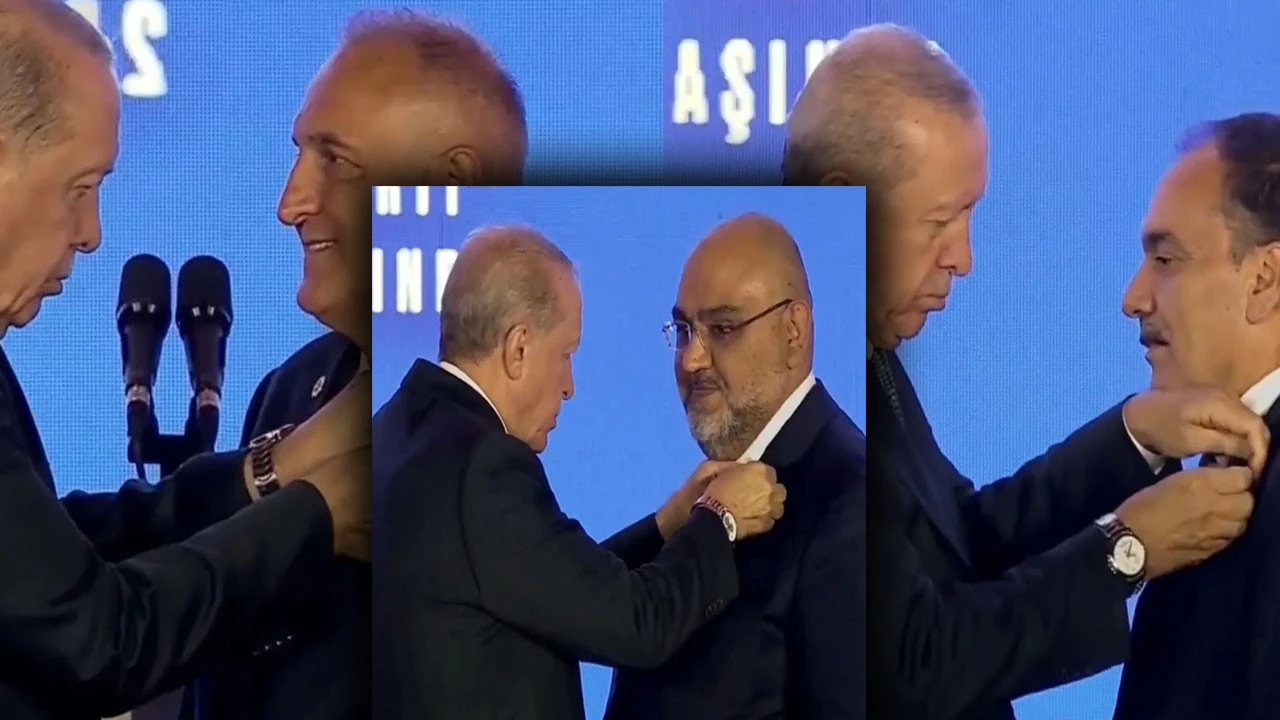
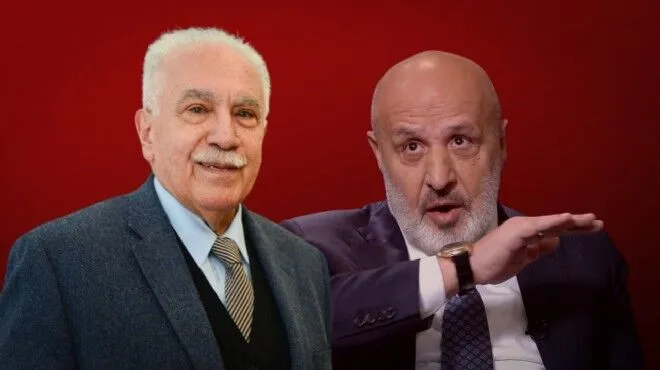
    A deputy chair of Turkey’s far-right Patriotic Party (VP) has denied accusations that the far-right Alternative for Germany (AfD) is racist or hostile to Turks and Muslims, saying Turkish associates of his party have joined the AfD.

    Descriptions of the AfD as fascist, racist or hostile to Islam were lies spread by “globalists” seeking to turn Asian nations against the party, Ethem Sancak said in remarks published Thursday by the T24 news website.

    “Some of our friends have joined the AfD,” Sancak said, referring to members of Germany’s Turkish community.

    Some of them may secure posts in the party because the VP and the AfD have “very good relations,” he added.

    The comments came days after the AfD won 43.8 percent of the vote and 39 of 83 seats in the eastern state of Saxony-Anhalt.

    The party fell three seats short of a majority and is seeking allies, while Germany’s mainstream parties have maintained their refusal to work with it.

    The AfD campaigned on broader deportations, renewed ties with Russia, an end to German support for Ukraine and Germany’s withdrawal from the eurozone.

    Chancellor Friedrich Merz accused the party of promoting “ethnic cleansing” through its “remigration” policy, while the AfD said its proposals concerned only people without legal residence.

    The AfD’s Saxony-Anhalt branch has been designated as a confirmed right-wing extremist group by the state’s domestic intelligence agency since 2023.

    Germany’s federal domestic intelligence agency made the same finding about the party nationwide in 2025, but a Cologne court blocked the designation in February pending a final ruling.

    The Turkish community in Germany warned after the election that the AfD’s rise could fuel violence against migrants and members of religious and other minority groups.

    Sancak is a businessman who served on the top decision-making body of President Recep Tayyip Erdoğan’s ruling Justice and Development Party (AKP) before resigning in 2022 and joining the VP, which advocates closer ties with Russia and Turkey’s withdrawal from NATO.

  • Erdoğan rebukes Spanish journalist over question on jailed dissidents Demirtaş, Kavala

    Erdoğan’s response came during the eighth Turkey-Spain Intergovernmental Summit held in Madrid on Thursday. The Turkish president’s remarks were directed at a journalist from the Spanish El Pais daily, who raised concerns about the continued imprisonment of Demirtaş and Kavala despite ECtHR decisions calling for their release.

    “Turkey is a state of law,” Erdoğan said. “Regarding the individuals you mentioned, our judiciary has made its decision within our legal framework.” He claimed that one of these individuals, referring to Demirtaş, “was responsible for the death of over 100 young people” and “caused deaths in the southeast through terrorism.”

    Erdoğan scolded the journalist, saying, “It deeply saddens us that a journalist would defend these terrorists in such a way.”

    “You probably don’t live in Turkey. We live in Turkey. These steps were taken to ensure peace in the region and will continue in this manner,” Erdoğan added, telling the journalist “not to shake your head” during his remarks.

    Demirtaş, former co-chairperson of the pro-Kurdish Peoples’ Democratic Party (HDP) and also a human rights lawyer, has been behind bars since November 2016 on politically motivated charges.

    Kavala, 66, faced charges that have ranged from espionage and financing protests in 2013 to taking part in a failed coup against Erdoğan in 2016. He was arrested in October 2017 and sentenced to life in 2022 for allegedly trying to topple Erdoğan’s government.

    In its 2020 ruling on Demirtaş, the ECtHR said his “unjustified” detention pursued the ulterior motive of stifling pluralism and limiting freedom of political debate in Turkey.

    In the same year the court said in another ruling that Kavala’s “unjustified and extended” detention had the ultimate purpose of reducing him to silence.

    The Council of Europe’s Committee of Ministers launched an infringement proceeding against Turkey over its treatment of Kavala on February 2, 2022. This could potentially see Ankara expelled from the continent’s leading human rights organization.

    Turkey’s continued detention of Kavala and Demirtaş has drawn widespread criticism from human rights organizations and international observers. Critics argue that the Turkish judiciary is being used to suppress dissent and silence political opposition. Erdoğan’s government maintains that it is “combating terrorism.”

    Instances of Erdoğan publicly scolding journalists are not uncommon. In September Erdoğan rebuked American journalist Amna Nawaz from PBS during an interview in New York, where he attended the UN General Assembly. Nawaz questioned Erdoğan about the politically motivated arrests of Kavala and Demirtaş. Erdoğan denied responsibility by invoking the independence of the judiciary and rebuked Nawaz for interrupting him.

    Similar incidents have occurred at domestic and international events, reinforcing Erdoğan’s reputation for being intolerant of critical media scrutiny.

    Rights groups routinely accuse Turkey of undermining media freedom by arresting journalists and shutting down critical media outlets, especially since President Erdoğan survived a failed coup in July 2016.

    Turkey, which has been suffering from a poor record of freedom of the press for years, ranks 158th among 180 countries in RSF’s World Press Freedom Index published on May 3 on the occasion of World Press Freedom Day.

  • Turkish police detain 5 Kurdish politicians

    The detentions occurred during early morning raids across Diyarbakır and its districts. The detainees include Ahmet Kaya, a former co-mayor of Ergani, along with former co-mayor Ramazan Kartalmış and deputy mayors Gülistan Polat, Esveri Malkoç and Cavidan Yaman.

    The detentions are part of an investigation dating back to 2023, Mezopotamya said, without giving further details.

    Authorities have imposed a 24-hour restriction on the detainees’ communications, preventing them from consulting with their legal representatives during this period.

    This comes after the interior ministry announced on Monday the removal of former Hakkari co-mayor Mehmet Sıddık Akiş of the pro-Kurdish Peoples’ Equality and Democracy Party (DEM Party) from office due to an ongoing investigation and a separate trial on terrorism-linked charges.

    He was replaced by Hakkari Governor Ali Çelik. The ministry’s move attracted widespread criticism and protests for being “anti-democratic” and “hijacking” the will of the Kurdish people.

    DEM Party Co-chairperson Tülay Hatimoğulları, who has been in Hakkari for several days to participate in demonstrations protesting Akiş’s removal, and the party’s other co-chairperson, Tuncay Bakırhan, met with representatives from civil society organizations in Hakkari on Thursday.

    Hatimoğulları said at the meeting that Turkey should immediately hold early elections because the ruling Justice and Development Party (AKP) and its far-right ally, the Nationalist Movement Party (MHP), have lost their legitimacy, resorting to illegitimate measures to stay in power.

    She said the results of the March 31 local elections in which the AKP sustained its worst election defeat since its establishment in 2002 and the MHP lost significant public support made clear that they no longer have legitimacy.

    The March 31 elections produced surprising results for the AKP, with the main opposition Republican People’s Party (CHP) emerging as the country’s leading party for the first time in decades, receiving 37.7 percent of the vote. The AKP’s nationwide support, however, stood at 35.4 percent, while the MHP garnered 4.9 percent.

    Hatimoğulları accused the AKP and the MHP of taking political revenge for their election loss on the DEM Party by removing its democratically elected mayor.

    Akiş, the first mayor ousted from office since the March 31 local elections when the DEM Party won a dozen provincial municipalities in the predominantly Kurdish southeast, was also handed down a prison sentence of 19 years, six months at the 61st hearing of his trial on Wednesday.

    The last time Turkey held presidential and parliamentary elections was May 2023. The next elections are scheduled for 2028.

    Turkey became acquainted with the removal of democratically elected Kurdish mayors from office on terrorism accusations after the local elections in 2016 and 2019.

    There were hopes that the government would not resort to such a step this time, given the significant public support afforded DEM Party mayors in the country’s southeast in the local elections.

    As a result, the removal of Akiş came as a disappointment to many, leading to protests and calls on the government from various segments of society to end the controversial practice and respect the will of the Kurdish people.

  • Putin is in hiding, the Kremlin is panicking and the big winner of Prigozhin’s apparent mutiny is Ukraine

    Putin is in hiding, the Kremlin is panicking and the big winner of Prigozhin’s apparent mutiny is Ukraine


    Moscow is in crisis.

    Manoeuvrings at the highest levels in Russia are always difficult to read clearly, but one thing is certain about what is happening in Moscow: the Kremlin is panicking.

    The real indications that there is a crisis come from within Russia itself.

    Soldiers in army trucks are being moved around the streets of Moscow, reinforcing key facilities such as television stations and energy infrastructure.

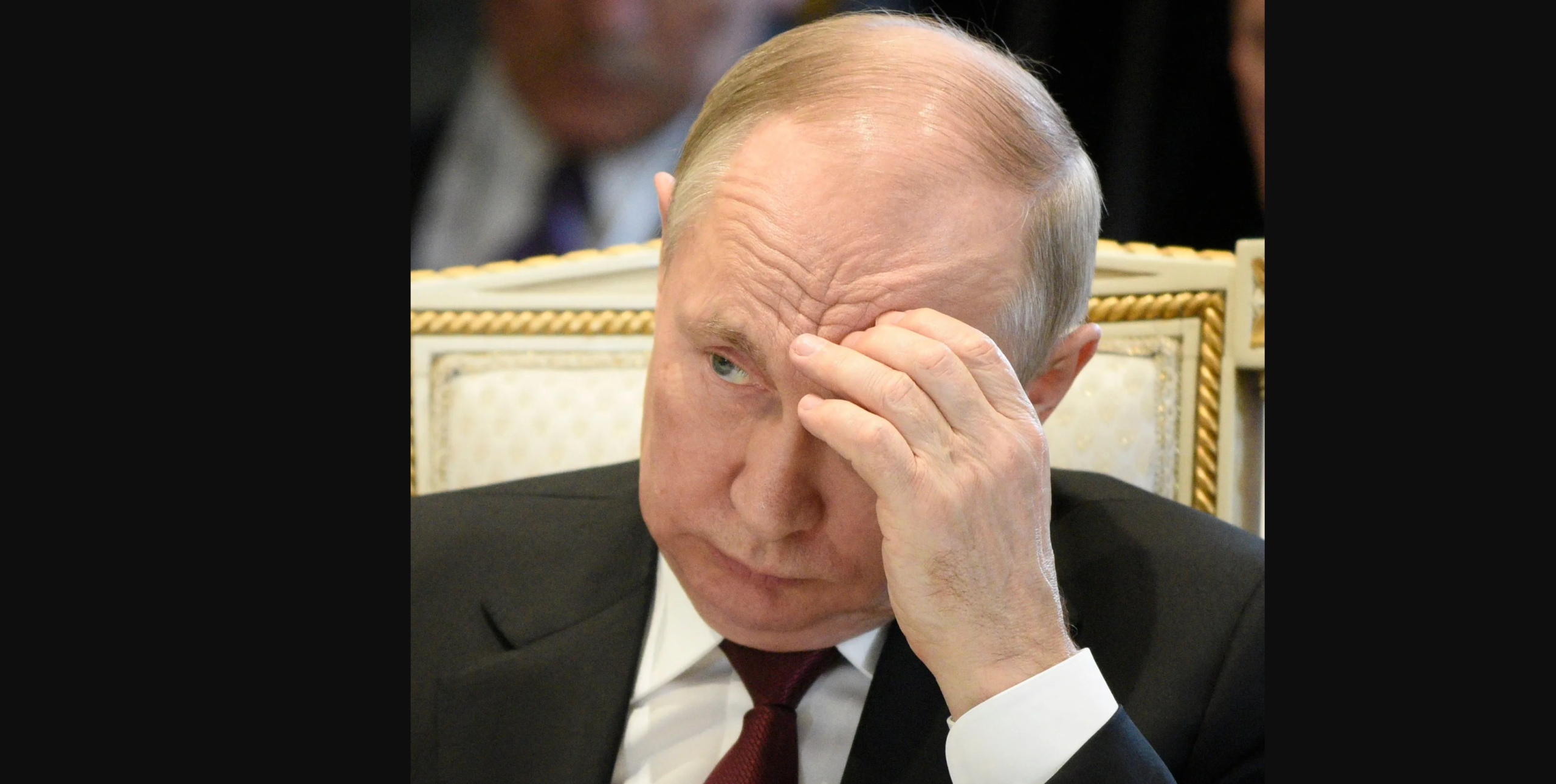
    Vladimir Putin has gone into hiding.

    Russian state TV has interrupted programming several times to urge people not to listen to the “disinformation” being spread.

    What disinformation?

    This is the Kremlin’s equivalent to the pilot, out of the blue, telling passengers not to panic.

    Then there’s the Russian Defence Ministry which has said that the only winner out of the current “confusion” will be Ukraine.

    What confusion?

    There is only one clear winner out of this – Ukraine.

    By  John Lyons/ABCNEWS

  • Turkey violated ex-MP’s freedom of expression over ‘Kurdistan’ reference: ECtHR

    Turkey violated ex-MP’s freedom of expression over ‘Kurdistan’ reference: ECtHR


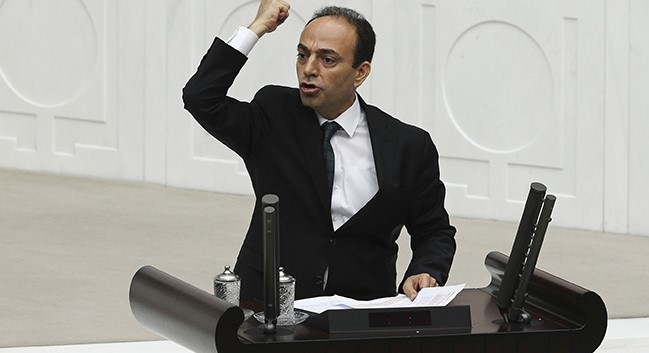
    The application to the court was filed by Osman Baydemir, a former deputy from the pro-Kurdish Peoples’ Democratic Party (HDP), who, during budget discussions in the Turkish parliament in 2017, was temporarily excluded from sessions after saying, “As a deputy who comes from Kurdistan, it is my wish that this roof be the common roof of Turks and Kurds.”

    When other deputies shouted and the speaker asked, “Where is Kurdistan?” Baydemir replied by putting his hand on his heart and saying, “Here it is, here it is, the assembly of Kurdistan.”

    In response, the deputy speaker of parliament proposed a temporary exclusion of Baydemir, invoking the rules of procedure that state that no definitions may be made about the administrative structure of the “indivisible unity of Turkey.” Parliament approved the proposal, and Baydemir was excluded from two sessions, and his salary was cut in the amount of 12,000 liras. This was the first time such a punishment was imposed on a lawmaker in parliament.

    Baydemir then appealed to the Constitutional Court, which stated in its ruling that the matter did not fall within its jurisdiction because “a disciplinary penalty is not one of the parliamentary decisions for which the Constitution provides for judicial review.”

    Baydemir then filed an application with the ECtHR.

    In its June 13 judgment, the ECtHR found that Article 10 of the European Convention on Human Rights (ECHR) on “freedom of expression” had been violated.

    Baydemir has been awarded a total of 16,957 euros, including 9,750 euros in non-pecuniary damages.

    The Turkish bureaucracy and the public remain overly sensitive to the word “Kurdistan” and the tri-colored Kurdistan flag, which in some cases have been associated with “treason and terrorism” linked to the outlawed Kurdistan Workers’ Party (PKK), listed as a terrorist organization by Turkey and much of the international community.

    More than 40,000 people, including 5,500 security force members, have been killed in four decades of fighting between the Turkish state and the PKK.

    There have been cases of people being arrested for wearing Kurdistan T-shirts, activists detained for waving Kurdistan flags and students interrogated for tweeting pictures of the flag.

    The websites of Turkey’s Presidency and Ministry of Foreign Affairs as well as the state-run Anadolu news agency refer to the Kurdistan Regional Government (KRG) in northern Iraq as Kurdistan.