Category: Business

  • Turkey jails former minister in investment fund scandal

    Turkey jails former minister in investment fund scandal

    A former Turkish minister and senior ruling party official was jailed pending trial Friday as part of an investigation into a multibillion-dollar investment fund scandal, Turkey’s state-run Anadolu news agency reported.

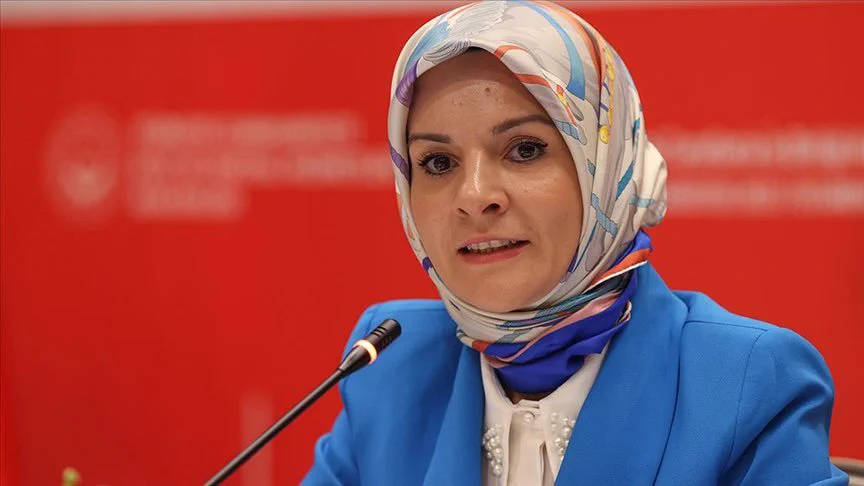
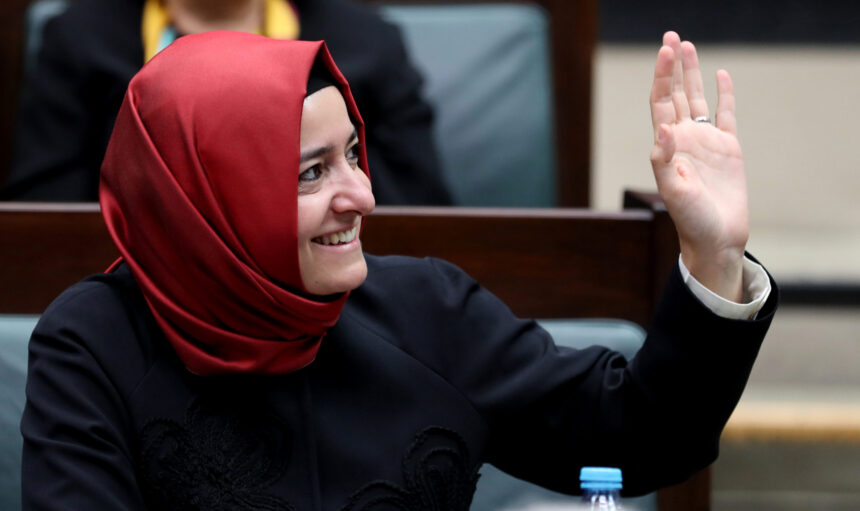
    An İstanbul court ordered Fatma Betül Sayan Kaya jailed on charges of violating capital markets law and belonging to a criminal organization, the agency said.

    Kaya served as family minister from 2016 to 2018 and until recently was a deputy chair of President Recep Tayyip Erdoğan’s ruling Justice and Development Party (AKP).

    She stepped down on September 26 following allegations by the main opposition New Party that she had profited from an investment scandal that had emerged earlier that month.

    A New Party lawmaker sought clarification over allegations that she and her husband had made millions through share transactions before the scandal broke, raising questions about insider trading.

    She later left the ruling party.

    The scandal erupted in mid-September, prompting an investigation into allegations of market manipulation affecting the savings of nearly 500,000 investors.

    Justice Minister Akın Gürlek announced Tuesday that 112 people had been jailed pending trial in the investigation, adding that investigators had uncovered a “comprehensive criminal network” that infiltrated the highest levels of Turkey’s financial markets.

    © Agence France-Presse

  • Turkish justice minister says ‘crime network’ behind fund scandal

    Turkish justice minister says ‘crime network’ behind fund scandal

    Investigators probing a multibillion-dollar investment fund scandal have uncovered a “comprehensive criminal network” that infiltrated the highest levels of Turkey’s financial markets, Justice Minister Akın Gürlek said Tuesday.

    His remarks came days after a court ruled for the arrest of the former İstanbul stock exchange boss as part of a far-reaching probe that began in mid-September into allegations of widespread market manipulation affecting the savings of nearly half a million investors.

    The scandal has dominated the headlines for weeks, raising uncomfortable questions about who might have profited and putting pressure on President Recep Tayyip Erdoğan’s ruling Justice and Development Party (AKP), with one of its top members resigning following allegations about her investment activities.

    “The structure is not limited to a simple stock market scam, there is a comprehensive criminal organization involved,” Gürlek told NTV.

    “Although the investigation initially began with market actors, it has now revealed a criminal organization that extends into the upper levels of the financial bureaucracy,” he said.

    “Those within the mechanism that controls the money rendered the oversight mechanisms ineffective by establishing a system of bribery.”

    By forming a “cartel,” they sought “to siphon off liquidity from the market by manipulating certain shares and to take control of the market,” Gürlek added.

    Investigators were looking into 433 suspects and probing “all links within the structure, which extends to the very foundations of the financial system and the upper echelons of the capital markets.”

    So far, 112 suspects have been jailed pending trial, while another 186 have been granted conditional release, and 38 others were still being sought, Gürlek said. Among them were “political figures linked to criminal organizations within our fund market,” he said, without giving further details.

    On Saturday Korkmaz Enes Ergun, head of the Borsa İstanbul stock exchange, was detained on suspicion of “membership in an organization established to commit crimes” and accepting bribes. He was arrested on Tuesday on bribery charges.

    Two weeks ago the head of Turkey’s SPK capital markets regulator was sacked by presidential decree just days after prosecutors began investigating his predecessor in connection with the affair.

    At the same time the deputy finance minister also resigned after his son-in-law was jailed pending trial in the fund scandal.

    © Agence France-Presse

  • Opposition links Turkish minister’s father to $17 million fund transactions

    Opposition links Turkish minister’s father to $17 million fund transactions

    AKP’s Family and Social Services Minister Mahinur Özdemir Göktaş faced calls Thursday to explain alleged fund transactions worth 830 million lira ($17 million) carried out in her father’s name, as an opposition lawmaker challenged government figures’ connections to the country’s investment fund scandal.

    Ümit Özlale, a lawmaker from the main opposition New Party, asked at a press conference whether her father, Hasan Özdemir, had traded in two funds caught up in the crisis.

    Özlale cited transaction reference numbers and maintained that he had documents supporting his allegations.

    His questions followed a parliamentary speech Wednesday in which he asked whether an unnamed minister had invested through a father’s account, turning 470 million lira ($9.5 million) into 830 million lira before withdrawing the money ahead of the crisis.

    Göktaş denied the allegations Thursday, declaring that neither she nor any family member had an account or conducted transactions in the funds concerned.

    She maintained that the investor was a different person with the same name as her father, citing different identification numbers, and pledged to resign if the allegations were proven, Gazete Pencere reported.

    Özlale argued that investments by ministers were not themselves crimes but demanded disclosure of any transactions benefiting from privileged treatment or information obtained through public office.

    The crisis began in September when funds could not meet withdrawal requests as share prices fell, prompting investigations into market manipulation.

    The Capital Markets Board (SPK), Turkey’s securities regulator, ordered 131 funds managed by seven companies to be closed and their assets sold to repay 455,758 investors.

  • Man arrested after allegedly knocking over crew member while naked mid-flight

    The flight was turned around and returned to Perth Airport about 7.56pm, where federal police arrested the man and took him to hospital for assessment.

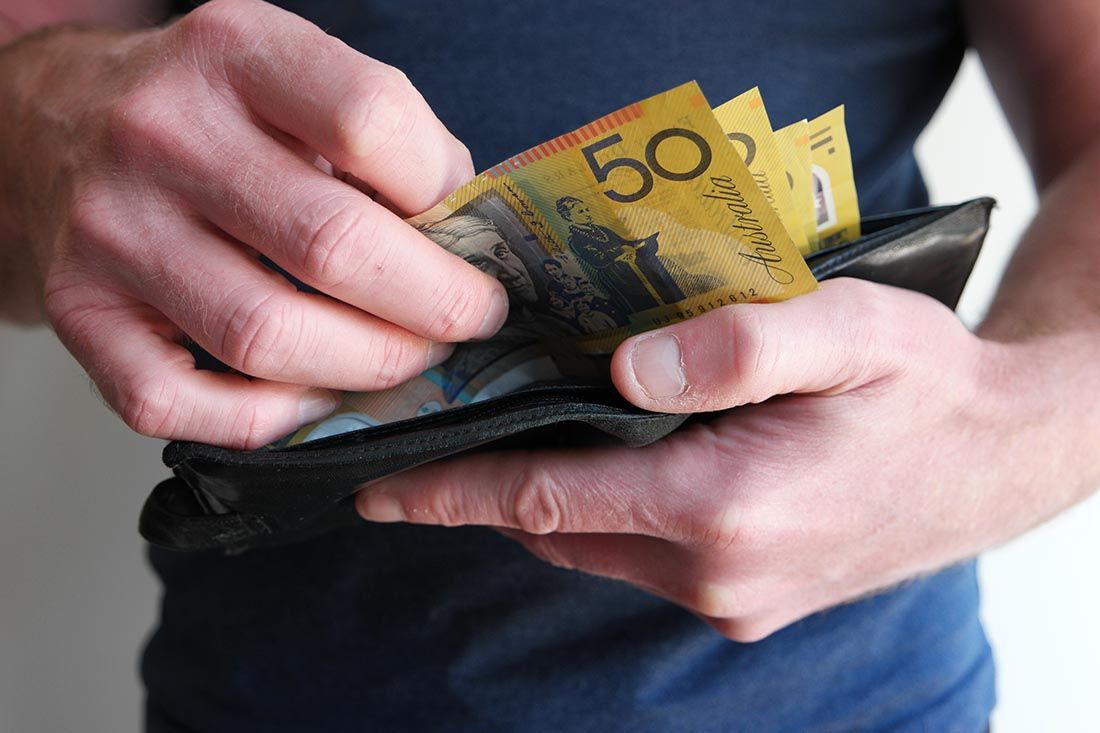
  • About 5 million Aussies claim work from home expenses but this tax time there are new rules

    About 5 million Aussies claim work from home expenses but this tax time there are new rules

    “We’ve got two methods now in which you can claim your working from home expenses,” says ATO Assistant Commissioner Tim Loh.

    “We’ve got the actual cost method — you need to be able to portion out the private expense versus the work-related expense [and] that method requires really significant records — and the fixed-rate method.”

    It comes as a survey of more than 1,000 Australians from Finder finds that one in eight Australians say their tax refund is “critical” to their financial health and that 36 per cent plan to put their return into savings.

    The research shows around one in seven Australians (15 per cent) say they will be withdrawing their refund to pay for household bills, while 5 per cent say they will be putting it towards their mortgage.

    Here you can claim each expense you have for working from home separately.

    But you need to apportion what’s private and what’s work-related.

    You can claim separately for:

    The other method that is available is the 67 cents per hour revised fixed rate method.

  • Premier announces new building commission to regulate NSW construction industry

    Premier announces new building commission to regulate NSW construction industry

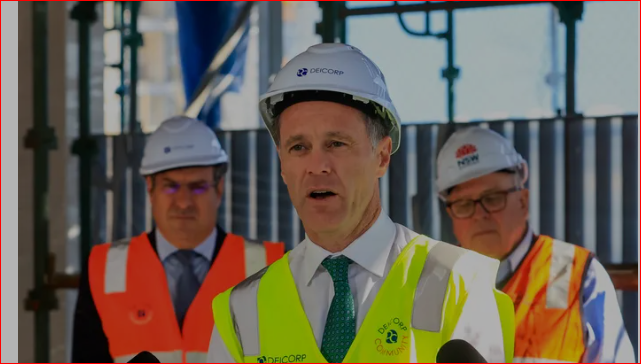
    Premier Chris Minns says he’s fulfilling an election campaign promise to set up a building commission to oversee and regulate the construction industry, by the end of the year.

    The state government on Tuesday announced the commission will ensure quality buildings as it moves to increase supply in the current housing crisis.

    “New South Wales will have greater density and more apartments,” Mr Minns said.

    “To do that properly there needs to be greater confidence in buildings in New South Wales.”

    The previous Coalition government appointed David Chandler as Building Commissioner two and half years ago, after the well-publicised cracks in the Opal and Mascot Towers apartment buildings.

    The defects in those two buildings lifted the lid on structural and safety defects plaguing some developments across the state.

    The premier says developing the commission will help scale up the work Mr Chandler has been undertaking.

    Mr Chandler, who as commissioner was tasked with cleaning up the construction industry, has welcomed the announcement.

    “We’ve got fantastic momentum to build on,” Mr Chandler said.

    “So this will bring the pieces, that are currently not as connected as they could be, together.”

    Mr Chandler says buyers have lost confidence in apartment buildings, and as a result only about 15,000 apartments are being built in New South Wales each year.

    The premier’s vision to address Sydney’s housing shortage is to stop urban sprawl in the west, and have more densely populated suburbs.

    He also wants the population growth and increase in housing supply to be “rebalanced”, so it also occurs east of Parramatta.

    Land audit ordered for new housing space 

    On Monday, the state government announced it had ordered an urgent audit of public land to find new sites for housing.

    They are likely to be along the city’s rail corridor and would be sold off to private developers.

    Each new block would have to include 30 per cent social, affordable or inclusive housing.

    Mr Minns says selling off the land for housing was a commitment he made in the lead up to the March election.

    “It’s not privatisation even by the loosest definition of it,” he said.

    “We were very consistent and clear about our plans in relation to Government land prior to the last election.” ABCNEWS

  • Jetstar announces changes to check-in and boarding times as it aims to improve operations

    Jetstar travellers will need to arrive at the airport earlier, after the carrier announced a series of changes it hopes to “boost punctuality and reliability”.

    Check-in, bag drop and boarding gate closure times will be changed from May 23.

    The new changes were first communicated to Jetstar customers yesterday morning, by email and text message.

    Let’s unpack what the changes are.

    International travellers will need to watch the clock even more closely.

    “We know our performance hasn’t been up to scratch, and we are working hard to boost punctuality and reliability,” Jetstar’s chief operating officer Matt Franzi says.He says the changes brings them into line with other budget airlines across the world.

    “To improve our performance, we’re also recruiting more airport staff, cabin crew and engineering team members and making changes to our check-in, bag drop and boarding times, to bring them in line with other low-cost carriers around the world.

    Everyone across the airline is committed to getting Jetstar to its best while delivering the lowest-possible fares so our customers can fly to more places, more often.”

  • New South Wales rental crisis could worsen as building approvals slump to record lows, economist warns

    Latest data from the Australian Bureau of Statistics (ABS) for the first three months of this year, shows a decline across the country — just as demand for housing is intensifying due to faster- than-expected population growth post-pandemic.

    In NSW, total approvals fell by 34 per cent compared to the same quarter in 2022, but hardest hit were townhouses, units and high-rises which dropped to 50 per cent.

    Senior economist with the Housing Industry Association (HIA) Tom Devitt said the “really weak” figures for this sector had been a surprise.

    “We’ve been expecting that to strengthen this year and beyond because there’s a lot of demand for high-density living from overseas migrants and students who are coming back into Australia in really big numbers,” he said.

    “The first quarter of 2023 saw the lowest number of total building approvals since 2012 in NSW and nationally.

    “And Australia’s rental markets are really, really tight at the moment.”

    According to the Real Institute of New South Wales, vacancy rates in Sydney are hovering at 1.3 per cent, compared to the national average of about 1 per cent.

    Renters have also been feeling the squeeze after the median weekly rent increased by 13 per cent from last year to $711.

    Until more housing comes into the pipeline, it will mean more bad news for availability and affordability, according to Mr Devitt.

    “This imbalance will see the affordability and rental crisis deteriorate further.”

    Ongoing interest rates rises — last week the Reserve Bank of Australia (RBA) announced its 11th in 12 months — coupled with the increase in the cost of construction and labour supply are being blamed as the main drivers of the decline in approvals.

    “Over the course of the pandemic there’s been an incredible increase in construction costs,” Mr Devitt said,

    “Some of those constraints have eased recently, but now the number one constraint is labour, builders trying to get their hands on skilled tradespeople.”

    They’re concerns that resonate with the executive director for the Master Builders Association NSW, Brian Seidler.

    He says the ABS’s data is “most unfortunate” for the industry given its role, identified by governments around the world, in leading the country out of the pandemic.

    “The important issue for us, for the industry is to see a stabilisation of interest rates, but what do we do to attract more labour into our industry?

    “We must address for the future, the cost of labour and the cost of labour is significantly increasing and will continue to increase until we get more skilled people into the industry.

    “It’s the cost of labour that will really challenge the industry and those that invest in the industry.”

    In the coming year the organisation is committed to attracting skilled workers from overseas and more young people to become apprentices.

    Mr Seidler acknowledges how a further increase in migration could add to the current challenges.

    “If you don’t have a place to house people then where do they live?

  • What’s in the budget? Here are some of the major measures we know about

    Treasurer Jim Chalmers will unveil his second budget on Tuesday.

    It follows his “mini-budget” in October, which was released five months after Labor won the May election.

    Aside from registering a surplus for the first time in 15 years, Tuesday’s budget will be far more substantial for policy announcements, and we already have a pretty good idea of what’s in it.

    Here are some of the biggest policies that have been flagged ahead of time.

    Almost $15 billion in cost of living relief will be a big element of Tuesday’s budget.

    The package will be spent over the next four years, and will include $1.5 billion in electricity bill relief for 5.5 million households and about 1 million small businesses.

    Pensioners, people on other income support payments, and small businesses will have their energy bills subsidised by up to $500.

    But the size of the rebates won’t be the same for everyone.

    They’ll be determined by where you live in Australia because the government has struck eight different deals with different state and territory governments to share the cost of the rebates.

    Mr Chalmers says the cost of living package, as a whole, has been designed in such a way that it won’t add to inflation.

    The federal government plans to change the dispensing rules at pharmacies so people can buy two months’ worth of medicines on a single prescription, with the change affecting more than 300 common medicines.

    The current rule is that only 30 days’ supply of medicine is able to be supplied to patients.

    But Health Minister Mark Butler says that under the 30-day rule, given that GPs can issue a script with five repeats, a patient with a chronic disease will, at the very least, have to visit their GP twice a year and make 12 visits to the pharmacist a year to get their medicines, and make a co-payment to the pharmacist each time.

    He says the rule change will halve the number of visits people have to make to a pharmacist, cutting the cost of medicine.

    The advice to make the change came from the Pharmaceutical Benefits Advisory Committee (and it dates back to 2018).

    Mr Butler announced the plan last month.

    The Pharmacist Guild of Australia has reacted angrily to the plan and has been campaigning against it. But the Royal Australian College of General Practitioners says it’s a “win for patients“.

    The federal government passed its cheaper childcare package through parliament in November, so it will be included in this budget.

    The lower childcare costs will start flowing from July, at the start of the new financial year.

    It will provide cheaper child care for about 1.2 million families.

    It will see Child Care Subsidy rates lift to 90 per cent for families on a combined income of $80,000 or less.

    For families earning over $80,000, the subsidy rate will taper down by 1 percentage point for every additional $5,000 of family income until the subsidy reaches 0 per cent for families earning $530,000.

    A typical family earning about $120,000 with a child in care three days a week will save about $1,700 a year.

    The existing measure that provides a higher Child Care Subsidy rate to families with multiple children aged five or under in care will be retained.

    It will see total spending on subsidies of $55.3 billion over the next four years.

    The government will also expand access to financial support for single parents by raising the age cut-off for the Parenting Payment (Single) from eight years to 14, at a cost of $1.9 billion over four years.

    The government will provide $11.3 billion to fund a 15 per cent pay rise for aged care workers.

    It will accept the ruling from the Fair Work Commission that the pay rise should be delivered in one go, rather than in increments.

    Aged Care Minister Anika Wells says workers will get an extra $7,000 annually from the pay rise.

    This one is potentially very important.

    The federal government says it wants to make Australia a “renewable energy superpower” and late last week it announced a plan to establish a “Net Zero Authority” to make it happen.

    Tuesday’s budget will include some details of the plan.

    The new agency will be asked to help workers in coal-dominated regions to find employment and access new skills training as the economy transitions away from fossil fuels towards renewable energy.

    It will help communities attract new clean energy industries and support investors with those opportunities.

    It will also coordinate policies and programs across government departments to help different regions of Australia attract new clean energy industries.

    Climate Change and Energy Minister Chris Bowen unveiled the plan on Friday.

    “We want it to be a one-stop shop for workers who are thinking about the transformation [and] how they prepare for the jobs of the future,” he said at the time.

    The budget will include funding for the government’s new National Anti-Corruption Commission (NACC).

    The legislation to create the NACC passed federal parliament in November, and the government committed $262.6 million over four years to support its establishment.

    Every state and territory already has a form of anti-corruption or integrity commission, so the Commonwealth had been a laggard in this area until now.

    The commission will investigate and report on serious or systemic corruption in the Commonwealth public sector, refer evidence of criminal corrupt conduct for prosecution, and undertake education and prevention activities regarding corruption.

    It will have powers similar to a royal commission.

    This is a tough area for the government.

    It has been under increasing pressure from welfare groups, social policy experts, and some economists to raise the rate of the JobSeeker payment to levels that are far more equitable.

    The government has announced it’s scrapping the Parents Next program, ending compulsory mutual obligations for about 100,000 parents who were forced into the program.

    It is also expected to increase JobSeeker payments slightly for older long-term unemployed people, for people aged over 55.

    But Mr Chalmers says there will be more announcements in the budget in the welfare area.

    The government says it will cost about $19 billion over an initial four-year period to start implementing the recent defence strategic review’s recommendations.

    That includes $9 billion for the AUKUS nuclear-powered submarine project and $4.1 billion for missiles and manufacturing.

    The government says it will recoup some of those costs through $7.8 billion of downgraded and scrapped projects.

    It adds to Australia’s commitment to the controversial nuclear submarine program, which is estimated to cost between $268 billion and $368 billion over the next 30 years.

    As part of that figure, $8 billion will be spent on upgrading the naval base HMAS Stirling in Western Australia.abcnews
  • RBA boss Philip Lowe defends shock interest rate rise, saying ‘there is a limit’ to inflation patience

    The decision was taken at an RBA board meeting in Perth — the first time since before the pandemic that the bank had made it to the West — and governor Philip Lowe spoke at a dinner filled with business leaders to explain why the pause was so short.

    “We have seen further evidence that the Australian labour market is still very tight, that services price inflation is proving to be uncomfortably persistent abroad, and that asset prices — including the exchange rate and housing prices — are responding to changes in the interest rate outlook,” he told the gathered crowd.

    Mr Lowe was referring to March unemployment data, released in April, showing the jobless rate remained at near-a-50-year low of 3.5 per cent after more than 50,000 extra jobs were added to the economy.

    The Australian dollar had been edging lower — sitting just above 66 US cents before the rates decision was announced — jumping to 67 US cents soon after. A lower dollar lifts import prices and, thus, inflation.

    House price data released on Monday showed a second consecutive month of national gains, with the five biggest capitals all posting price rises in April, and the average of regional markets up too, albeit barely.

    However, the coup de grace was last week’s inflation number for the March quarter.

    Initially interpreted by a majority of economists as supporting at least another month or two on hold, the RBA was spooked by an acceleration in price rises for services, such as hospitality, healthcare and education.

    “Goods price inflation is slowing, which is good news,” Mr Lowe said, “but services and energy price inflation is still high and likely to remain so for some time.

    “Looking overseas, we see worryingly persistent services price inflation.

    “It is possible that circumstances might be different here in Australia, but the experience abroad points to an upside risk, especially given the high degree of commonality across countries in inflation dynamics recently.”