Tag: Stockholm Center for Freedom.

  • Turkey keeps Kurdish politician Demirtaş jailed for 10 years despite European court rulings

    Turkey keeps Kurdish politician Demirtaş jailed for 10 years despite European court rulings

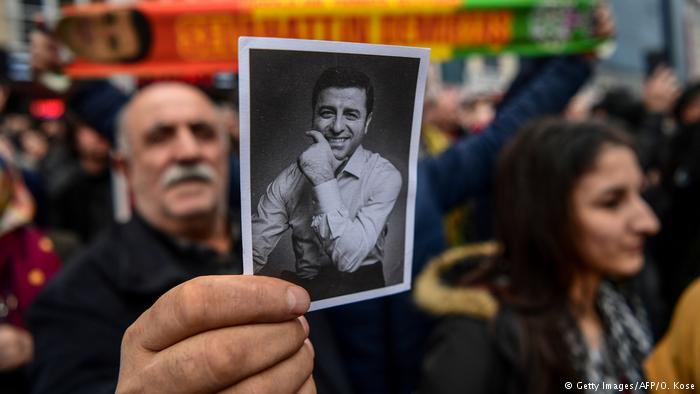
    Former Kurdish opposition leader Selahattin Demirtaş marked 10 years in prison on Wednesday despite repeated European Court of Human Rights (ECtHR) rulings finding his detention unlawful and politically motivated and calling for his release, the Deutsche Welle (DW) news website reported.

    Demirtaş, a former co-chair of the pro-Kurdish Peoples’ Democratic Party (HDP), has been imprisoned since November 4, 2016, and remains in custody pending an appeal against a 42-year prison sentence handed down in May 2024.

    On the anniversary lawyers representing Demirtaş and 12 other imprisoned Kurdish politicians, together with 15 regional bar associations, submitted a new application to an Ankara appeals court seeking their release. The application cited binding ECtHR judgments and a September decision by the Council of Europe’s Committee of Ministers calling for the release of Demirtaş and former HDP co-chair Figen Yüksekdağ.

    The latest application followed earlier requests for release that remained undecided as of October 5, according to an official submission by the Turkish government to the Council of Europe. The government confirmed that the case was before the 22nd Criminal Chamber of the Ankara Regional Court of Appeals and described Demirtaş and Yüksekdağ as being detained pending appeal.

    In July 2025 the ECtHR found multiple violations of Demirtaş’s rights in connection with a detention warrant issued in September 2019, ruling that Turkish authorities had failed to establish reasonable suspicion of criminal wrongdoing or provide sufficient justification for his prolonged imprisonment.

    The court also found a violation of Article 18 of the European Convention on Human Rights, concluding that the detention had pursued the improper political purpose of suppressing political pluralism and restricting democratic debate. The judgment became final on November 3, 2025, after the court rejected Turkey’s request to refer the case to its Grand Chamber.

    The decision followed a December 2020 judgment by the court’s Grand Chamber, which found that Demirtaş’s earlier detention had violated his rights to liberty, freedom of expression and free elections. The court concluded that his imprisonment had sought to stifle political pluralism and limit democratic debate and ordered his immediate release.

    The Council of Europe’s Committee of Ministers, which supervises the implementation of ECtHR judgments, renewed its demand in September for the immediate release of Demirtaş and Yüksekdağ, urging Turkish authorities to use all available legal means to comply with the rulings.

    Under Article 46 of the European Convention on Human Rights, Turkey is legally obligated to implement final judgments of the ECtHR.

    Demirtaş was initially jailed on November 4, 2016, during a crackdown on HDP lawmakers following the removal of parliamentary immunity for dozens of legislators. He was accused of membership in an armed terrorist organization and inciting criminal activity, allegations linked in part to his political speeches.

    Although an Ankara court ordered his release in September 2019, he remained in prison under a separate conviction. Later that month he was put in pretrial detention again in connection with violent protests in October 2014 over an Islamic State assault on the predominantly Kurdish Syrian town of Kobani.

    In May 2024 an Ankara court sentenced Demirtaş to 42 years in prison on multiple charges, including aiding efforts to undermine the unity and territorial integrity of the Turkish state and disseminating terrorist propaganda. The conviction has not been finalized because his appeal remains pending.

    In its October submission to the Council of Europe, the Turkish government defended the proceedings, saying the trial court had examined allegations of fair-trial violations and concluded that Demirtaş’s rights had been respected.

    Mahsuni Karaman, one of Demirtaş’s lawyers, told DW that implementing the European court’s judgments was a legal obligation that should not depend on the government’s ongoing peace process with Kurdish militants or the introduction of new legislation.

    The Committee of Ministers has identified legislation adopted as part of a peace process with the outlawed Kurdistan Workers’ Party (PKK) as a possible means of securing Demirtaş’s release. However, its application depends on conditions relating to the group’s laying down of arms and whether Demirtaş would benefit from the law.

    The committee is scheduled to review Turkey’s compliance with the judgments again in December.

    This article is republished from the Stockholm Center for Freedom.
  • Turkey detains 21 over alleged Gülen links, including 7 accused of aiding prisoners’ families

    Turkey detains 21 over alleged Gülen links, including 7 accused of aiding prisoners’ families

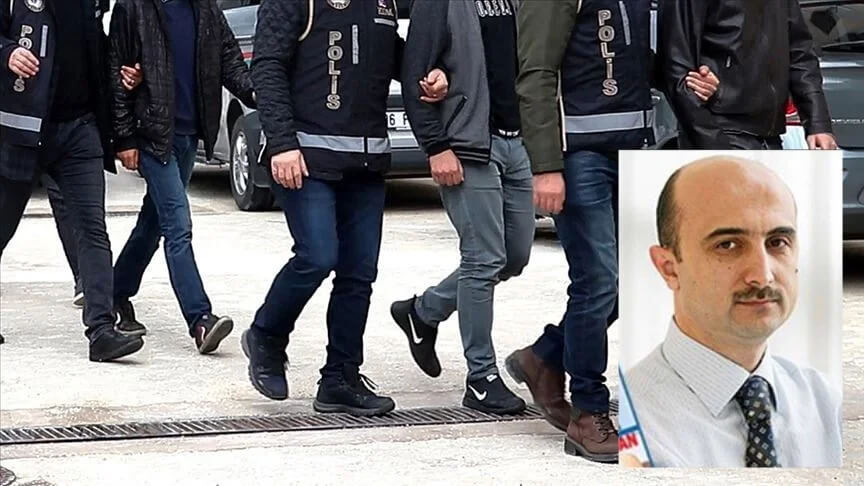
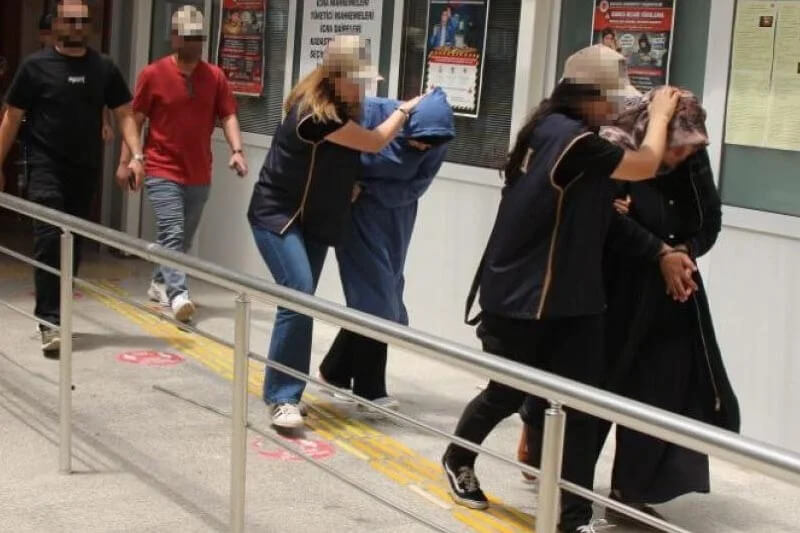
    Turkish police detained 21 people on Tuesday in two investigations into alleged links to the faith-based Gülen movement, including seven accused of providing financial assistance to prisoners’ families, the TRT haber state broadcaster reported.

    The Ankara Chief Public Prosecutor’s Office issued detention warrants for 25 people in the two investigations, with police continuing to search for four who remained at large.

    Turkish President Recep Tayyip Erdoğan has targeted the faith-based Gülen movement, inspired by Muslim cleric Fethullah Gülen, who died in 2024, since corruption investigations in December 2013 implicated him as well as some members of his family and inner circle. He dismissed the probes as a Gülenist conspiracy and designated the movement as a terrorist organization in May 2016, intensifying a sweeping crackdown after a coup attempt in July of the same year that he accused Gülen of orchestrating. The movement denies involvement in the attempted coup or any terrorist activity.

    The first investigation targeted 11 people accused of providing financial support to alleged members of the movement and engaging in unspecified ongoing activities associated with it. Seven were detained, while police were searching for the remaining four. The Bold Medya news website reported that the allegations also involved providing financial assistance to families of people in prison.

    Turkish authorities have repeatedly targeted people accused of providing financial assistance to families affected by the crackdown on the movement.

    In April police detained 42 people, most of them women, over assistance provided during the Muslim holy month of Ramadan to families of people jailed or dismissed from their jobs over alleged Gülen links. A court subsequently ordered 24 of them jailed pending trial, while the remaining 18 were released under judicial supervision.

    United Nations experts warned in October 2025 that people had reportedly been arrested over family relationships or lawful activities by relatives, including financial transactions, describing the practice as guilt by association that was inconsistent with the principle of individual responsibility.

    The latest detentions follow another round of nationwide operations targeting alleged Gülen movement members. Authorities announced on Monday that 72 people had been detained across 32 provinces, with courts ordering 41 of them jailed pending trial.

    In the second investigation, police detained all 14 people named in detention warrants during simultaneous raids across 10 provinces, including the Turkish capital of Ankara. Prosecutors accused them of participating in what authorities described as the movement’s clandestine network within public institutions. The investigation was conducted by the National Intelligence Organization (MİT) and the counterterrorism department of the Ankara Police Department.

    The prosecutor’s office did not specify what activities the 14 detainees allegedly carried out in public institutions or explain what ongoing activities were attributed to those targeted in the financial investigation. Details of the detainees’ questioning and custody status beyond their initial detention were not immediately available.

    According to the latest figures from the justice ministry, more than 127,000 people have been convicted of alleged links to the movement, and authorities had initiated legal proceedings against 720,338 people since 2016, with 10,485 still in prison. Investigations or trials involving another 83,404 are still ongoing.

    This article is republished from the Stockholm Center for Freedom.
  • Turkey detains 72, arrests 41 over alleged Gülen links

    Turkey detains 72, arrests 41 over alleged Gülen links

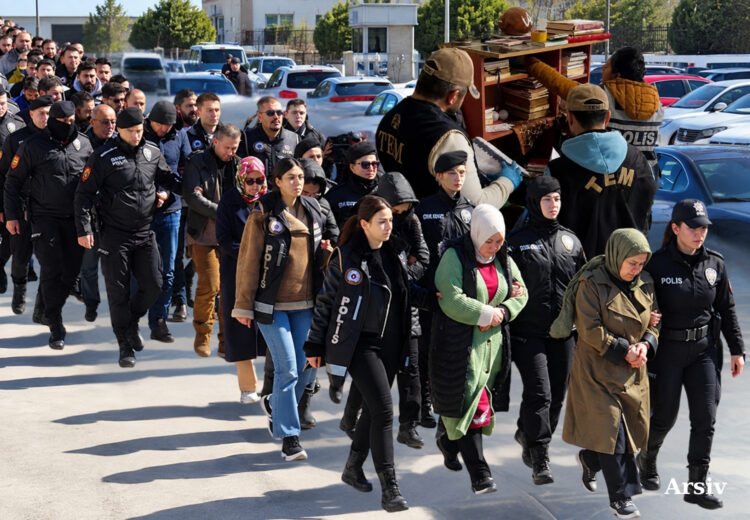
    Turkish authorities detained 72 people over alleged links to the faith-based Gülen movement in recent operations, with courts ordering 41 of them jailed pending trial, the İlke TV news website reported Monday, citing the Interior Ministry.

    Gendarmes carried out the operations across 32 provinces, including İstanbul, Ankara, İzmir and Diyarbakır provinces, under the coordination of prosecutors and the force’s counterterrorism department. Legal procedures were continuing for the remaining 31 people, the ministry said, without specifying their custody status.

    Turkish President Recep Tayyip Erdoğan has targeted the faith-based Gülen movement, inspired by Muslim cleric Fethullah Gülen, who died in 2024, since corruption investigations in December 2013 implicated him as well as some members of his family and inner circle. He dismissed the probes as a Gülenist conspiracy and designated the movement as a terrorist organization in May 2016, intensifying a sweeping crackdown after a coup attempt in July of the same year that he accused Gülen of orchestrating. The movement denies involvement in the attempted coup or any terrorist activity.

    The ministry’s allegations included continuing activities on behalf of the movement, maintaining contact with people it described as movement coordinators, providing financial support to charities it alleged were affiliated with the movement and posting content on social media that it characterized as terrorist propaganda.

    The official statement did not specify which allegations applied to which detainees, identify the charities or describe the social media posts cited as evidence.

    The ministry also said gendarmes seized documents and digital materials during the operations, without detailing their contents.

    According to the latest figures from the justice ministry, more than 127,000 people have been convicted for alleged links to the movement and authorities had initiated legal proceedings against 720,338 people since 2016, with 10,485 still in prison. Investigations or trials involving another 83,404 are still ongoing.

    In addition to the thousands who were jailed, scores of other Gülen movement followers had to flee Turkey to avoid the government crackdown.

    This article is republished from the Stockholm Center for Freedom.
  • Aliyev to skip Ankara summit despite Erdoğan’s invitation amid Turkey-Azerbaijan tensions

    Aliyev to skip Ankara summit despite Erdoğan’s invitation amid Turkey-Azerbaijan tensions

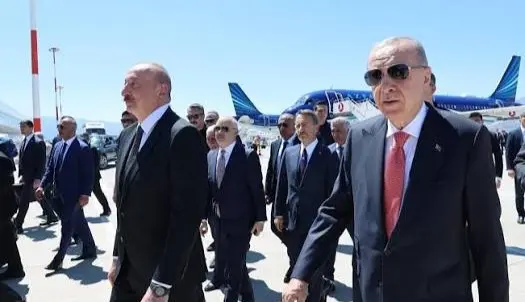
    Azerbaijani President Ilham Aliyev will not attend Friday’s Organization of Turkic States (OTS) summit in Ankara, Azerbaijani media reported Thursday, amid tensions between the two close allies over Turkey’s criticism of restrictions on headscarves in Azerbaijani schools.

    Aliyev will be represented by Foreign Minister Jeyhun Bayramov at the October 30 summit, according to the Azerbaijani Report Information Agency, which attributed his absence to previously scheduled engagements and a busy work schedule.

    The agency reported that Aliyev would attend the final and closing ceremony of the inaugural FIFA U-15 World Cup and Festival in Baku on Friday and present awards to the finalists. It said his participation in the ceremony had been arranged in advance.

    The announcement comes despite Turkish President Recep Tayyip Erdoğan’s personal invitation to Aliyev during an October 21 telephone conversation and the departure of Erdoğan’s chief presidential adviser, Oktay Saral, following a dispute over Azerbaijan’s restrictions on headscarves in schools.

    Saral criticized the restrictions in an October 12 post on X, saying it was unacceptable to prevent students wearing headscarves from exercising their right to education.

    Azerbaijan amended its school uniform regulations in September to prohibit clothing considered inconsistent with prescribed uniforms or secular education. Although the regulations do not explicitly mention headscarves, some students wearing them have reportedly been turned away from classes.

    Saral’s remarks prompted a sharp response from Azerbaijan’s ruling New Azerbaijan Party, which accused Turkish political figures of interfering in the country’s domestic affairs.

    In an October 25 interview with journalist Talat Atilla, Saral said he was leaving his position on Erdoğan’s instructions. Asked whether his departure was connected to his criticism of Azerbaijan, he replied, “Yes, it seems so.”

    Saral announced his resignation the following day.

    Middle East Eye had reported that Azerbaijan demanded Saral’s dismissal and legal action against Turkish commentators accused of insulting Aliyev.

    The dispute has also resulted in measures against Turkish citizens. Azerbaijan has barred 31 Turkish nationals, including journalists, political figures and religious commentators, from entering the country and issued arrest warrants for seven others over statements related to the controversy.

    Tensions between Ankara and Baku predate the headscarf controversy, Azerbaijani political analyst Arastun Orujlu told Meydan TV, an independent Azerbaijani news outlet operating in exile.

    He identified Azerbaijan’s increasingly close ties with Israel as a major source of friction, pointing to broader competition between Turkey and Israel for influence in the South Caucasus.

    Despite the tensions, Aliyev sent Erdoğan a message Thursday congratulating Turkey on the 103rd anniversary of the founding of the republic.

    He described Azerbaijan and Turkey as bound by genuine ties of friendship and brotherhood and said the 2021 Shusha Declaration had elevated their relationship to the level of an alliance.

    The announcement of his absence from the summit came later that day.

    Bayramov, who will represent Azerbaijan at the summit, attended Thursday’s meeting of the OTS Council of Foreign Ministers in Ankara and met with his Turkish counterpart, Hakan Fidan.

    The ministers discussed bilateral relations and regional and international developments, according to the Azerbaijani Foreign Ministry.

    Friday’s summit, hosted by Erdoğan, will mark Turkey’s taking over the organization’s rotating chairmanship from Azerbaijan.

    The OTS, which brings together Turkey, Azerbaijan, Kazakhstan, Kyrgyzstan and Uzbekistan, promotes political, economic and cultural cooperation among Turkic-speaking countries.

    According to the organization’s official announcement, the leaders are expected to discuss trade, transportation, energy and institutional cooperation, appoint a new secretary-general and adopt the Ankara Declaration.

    Turkey and Azerbaijan maintain close military, energy and transportation ties and frequently describe their relationship as “one nation, two states.”

  • Turkey accused of blocking Kurdish visitors from returning home to Germany

    Turkey accused of blocking Kurdish visitors from returning home to Germany

    Turkey is preventing Kurdish visitors from returning to their homes in Germany through bans on leaving the country, a Kurdish community organization said Wednesday, calling for German diplomatic intervention, Deutsche Welle reported.

    The Kurdish Community in Germany (KGD) said reports had increased in recent weeks of people unable to return after vacations or family visits to Turkey, including some of its members. Those affected also included Kurdish residents of other European countries.

    In an October 28 statement the organization said numerous people faced exit bans and investigations into alleged terrorist propaganda. It did not provide a total number of cases.

    The group also cited reports that some people had been asked to pay up to 10,000 euros to have the bans lifted. It called for an urgent, independent investigation into those allegations but did not identify who allegedly demanded the money.

    The KGD urged the German government to summon Turkey’s ambassador for an explanation and provide diplomatic assistance to those affected, particularly German citizens and permanent residents, within the scope of available consular support.

    The organization said the cases reflected a longstanding pattern of questioning, detention, criminal investigations and travel restrictions targeting people visiting Turkey from Germany, particularly Kurds.

    Such proceedings frequently involve accusations of insulting the president, spreading terrorist propaganda or having links to banned organizations, the group said. It said the accusations often concern criticism of the Turkish government, social media posts or participation in political events in Germany.

    KGD Deputy Chairman Mehmet Tanrıverdi said people should not face prosecution during visits to Turkey for exercising freedom of expression and assembly in Germany.

    The group said the pressure created a climate of intimidation beyond Turkey’s borders and called on Berlin to make protecting those affected a priority in relations with Ankara.

    Germany’s Foreign Office warns in its travel advice for Turkey that German citizens can face arbitrary detention and exit bans. It says participation in demonstrations in Germany, signing petitions supporting Kurdish independence or membership in legally registered associations advocating for Kurdish rights can lead to prosecution or travel restrictions in Turkey, even years later.This article is republished from the  https://stockholmcf.org/


  • Turkish court bars jailed preacher Alparslan Kuytul’s weekend family visits

    Turkish court bars jailed preacher Alparslan Kuytul’s weekend family visits

    A Turkish court upheld a prison administration’s refusal to allow the children of jailed Islamic preacher and government critic Alparslan Kuytul to visit him in prison on weekends, six days after overturning the same refusal, his lawyer said.

    Kuytul asked to move his prison visiting day from Thursday to the weekend so his children would not miss school, as prison rules permit weekend visits despite the usual weekday schedule. The Erzurum 1st High Criminal Court overturned the prison administration’s refusal on October 15, finding that Thursday visits interfered with the children’s education. Although the court declared its decision final, it upheld the prison administration’s refusal on October 21, following an objection by prosecutors, citing security and staffing concerns.

    Kuytul, the founder of the Furkan movement, is being held pending trial in Erzurum province, about 845 kilometers from Adana, where four of his five children attend school.

    His lawyer, Ömer Hakseven, said the 15-hour journey to Erzurum for weekday visits requires the children to miss two days of school each time.

    Their mother, Semra Kuytul, is also jailed pending trial in Samsun province. The Furkan movement said visiting both parents once a month could cause the children to miss about 27 school days over the nine-month academic year.

    Kuytul and his wife were among 35 people jailed on August 23 in an investigation into alleged organized crime, money laundering, fraud and forgery. The Furkan movement denies the allegations and says the investigation is politically motivated.

    Kuytul submitted documents confirming his children’s school enrollment, but the prison’s Administration and Observation Board denied his request for weekend visits on September 29, citing security and staffing concerns.

    The Erzurum 1st Enforcement Judge upheld the decision on October 5, prompting Hakseven to appeal to the high criminal court.

    In its October 15 ruling, the court found that denying weekend visits violated the right to respect for family life and that prison officials had failed to substantiate their staffing concerns or explain how weekend visits would threaten security or disrupt prison operations. Hakseven said the enforcement judge issued a certificate confirming the decision was final on October 16.

    In reversing its decision following the prosecutors’ October 19 objection, the court cited prison security, additional staffing requirements and concerns that similar requests from other prisoners could disrupt prison operations.

    Hakseven questioned how the court could reverse a ruling that had already been declared final and accused authorities of interfering in the judicial process.

    Under Article 271 of Turkey’s Code of Criminal Procedure, court decisions on objections are final, except for those ordering pretrial detention for the first time.

    Kuytul, an Islamic scholar, founded the Furkan Education and Service Foundation in 1994. The group has frequently criticized the government of President Recep Tayyip Erdoğan and has faced repeated police interventions, administrative penalties and criminal investigations.

    He was jailed in 2018 after criticizing Turkey’s military offensive in Afrin, northern Syria. He was acquitted of terrorism-related charges in 2020.

    Kuytul was also arrested in 2022 in connection with the abduction of a businessman in Adana, facing charges of instigating unlawful deprivation of liberty, extortion, bodily harm and torture. He denied the charges and was released pending trial in June 2023. Stockholmcf.org

  • Ailing Turkish prisoner jailed over alleged Gülen links dies after repeated calls for medical release go unheeded

    Ailing Turkish prisoner jailed over alleged Gülen links dies after repeated calls for medical release go unheeded

    A 73-year-old Turkish prisoner convicted over alleged links to the faith-based Gülen movement died Monday after authorities kept him incarcerated despite his deteriorating health, repeated appeals for his release and warnings that he could die without urgent medical intervention, the TR724 news website reported.

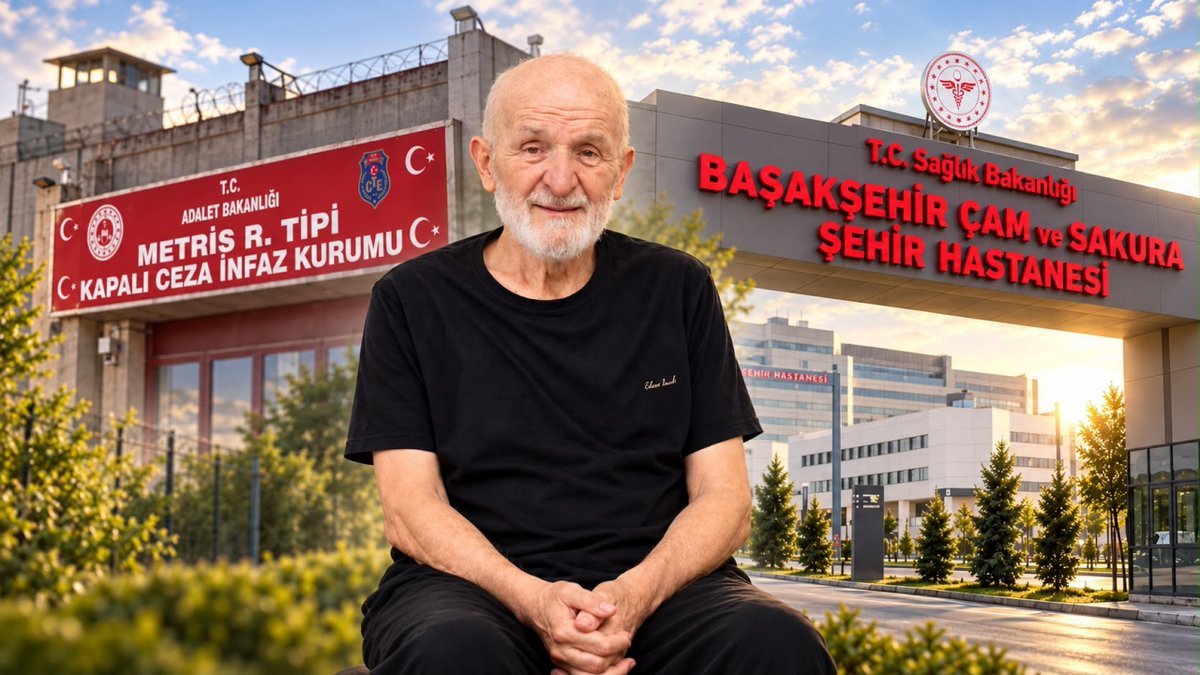
    Abdullah Tırpan died at İstanbul’s Başakşehir Çam and Sakura City Hospital, where he had been transferred from Metris Prison last week. His left leg was amputated below the knee on October 22 due to advanced gangrene, but doctors subsequently considered a second operation to remove more of the limb because the infection had spread farther up his leg.

    His condition worsened following the surgery, and he was transferred to intensive care and placed on a ventilator on Sunday.

    His daughter, Esra Tırpan Yakut, said Sunday that the family had learned of his transfer to intensive care through Turkey’s electronic health records system because they had not been adequately informed about his condition.

    “My father’s heart stopped, and they are keeping it beating with medication,” she said, describing what the family had been told. “They have already intubated him. Please pray for him. There is nothing more we can do.”

    Tırpan’s death came after months of appeals from his family, lawmakers and human rights advocates for the suspension of his prison sentence on medical grounds.

    Despite suffering from diabetes, hypertension, nerve damage and serious circulatory problems, Tırpan had repeatedly been found fit to remain in prison by state medical authorities.

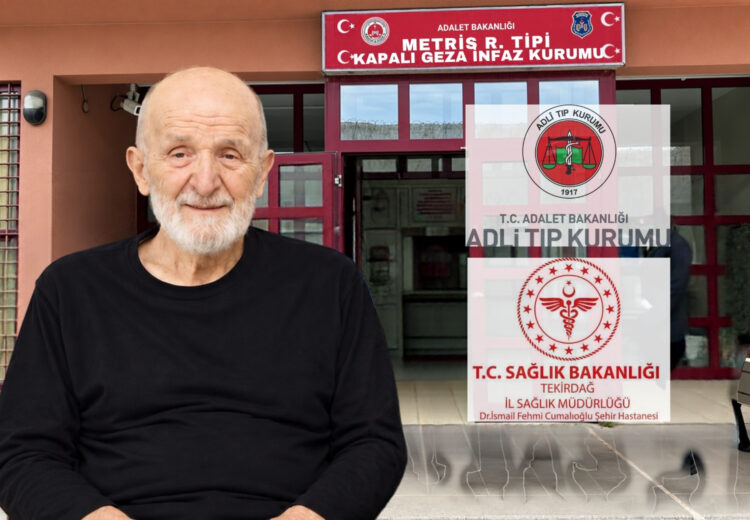
    Turkey’s Council of Forensic Medicine, a state body responsible for assessing prisoners’ fitness to remain incarcerated, concluded on December 17, 2025, that he could continue serving his sentence. Medical boards at Tekirdağ City Hospital reached similar conclusions in May and June 2026.

    The June report documented several chronic illnesses but concluded that Tırpan could manage his daily activities without assistance and did not require the suspension of his sentence. Another examination on October 6 reportedly found no medical obstacle to his continued imprisonment.

    Independent lawmaker Mustafa Yeneroğlu, who visited Tırpan at Metris Prison earlier this month, warned on October 9 that the prisoner could die without urgent medical intervention.

    Yeneroğlu said Tırpan had advanced gangrene, severe discoloration and large open wounds on his left leg. He was unable to stand or meet his basic needs on his own, according to the lawmaker, who questioned medical assessments finding him capable of remaining in prison.

    Tırpan was serving a seven-and-a-half-year sentence for membership in an armed terrorist organization over his alleged involvement in the Gülen movement, inspired by the late Muslim cleric Fethullah Gülen.

    Turkish President Recep Tayyip Erdoğan has targeted the movement since corruption investigations in December 2013 implicated him as well as some members of his family and inner circle. He dismissed the investigations as a Gülenist conspiracy and designated the movement as a terrorist organization in May 2016, intensifying a sweeping crackdown after a coup attempt in July of that year that he accused Gülen of orchestrating. The movement denies involvement in the coup attempt or any terrorist activity.

    Tırpan’s daughter appealed on X on October 20 for the suspension of her father’s sentence after doctors obtained the family’s consent to amputate his leg.

    “We are asking for the suspension of his sentence in the name of justice and humanity,” she wrote. “Please help make our voices heard. Our entire family is devastated.”

    On Monday morning, before Tırpan’s death was announced, Ömer Faruk Gergerlioğlu, a lawmaker from the pro-Kurdish Peoples’ Equality and Democracy Party (DEM Party), shared his latest medical report on X and criticized authorities for keeping him incarcerated despite his life-threatening condition.

    “Who is responsible for this?” Gergerlioğlu asked, saying authorities had failed to explain why Tırpan’s sentence had not been suspended.

    The lawmaker said he was taking legal steps against those he held responsible for the handling of the case.

    “Everyone will be held accountable before the courts,” he wrote.

    Under Article 16 of Turkey’s Law on the Execution of Sentences, a prison sentence may be suspended in certain cases involving serious illness or disability when a prisoner cannot sustain life under prison conditions and is not considered a serious danger to society.

    The Justice Ministry says authorities can reopen the medical review process if a prisoner’s health deteriorates, even after an earlier request has been rejected.

    Tırpan, a father of five who worked as a butcher for 55 years in the northwestern province of Tekirdağ, was convicted on August 8, 2019. Turkey’s Supreme Court of Appeals upheld his conviction on March 7, 2022.

    According to earlier SCF reporting, the evidence cited against him included having shares in a company operating a private school allegedly affiliated with the Gülen movement, attending religious discussion meetings, making charitable donations to the movement, subscribing to the now-closed Zaman newspaper and maintaining an account at Bank Asya, a bank formerly affiliated with the movement.

    The court also cited his decision to send his children and grandchildren to movement-associated schools and his possession of religious publications.

    Tırpan denied the criminal allegations.

    Since the coup attempt in 2016, the Turkish government has accepted such activities as having an account at the now-shuttered Bank Asya, one of Turkey’s largest commercial banks at the time; using the ByLock messaging application, an encrypted messaging app that was available on Apple’s App Store and Google Play; and subscribing to the now-shut-down Zaman daily or other publications affiliated with members of the movement as benchmarks for identifying and arresting alleged followers of the Gülen movement on charges of membership in a terrorist organization.

    He was first arrested in August 2016 and spent approximately 19 months in pretrial detention before being released pending the outcome of his legal proceedings. He was imprisoned again in February 2025 following the finalization of his sentence.

    Tırpan’s death comes amid longstanding criticism of Turkey’s treatment of seriously ill prisoners. Human rights organizations have repeatedly warned that delays in medical treatment and decisions by the Council of Forensic Medicine finding seriously ill inmates fit to remain incarcerated can put their lives at risk.

    This article is republished from the Stockholm Center for Freedom.
  • Turkey jails journalist Mehmet Yılmaz over alleged Gülen links

    Turkey jails journalist Mehmet Yılmaz over alleged Gülen links

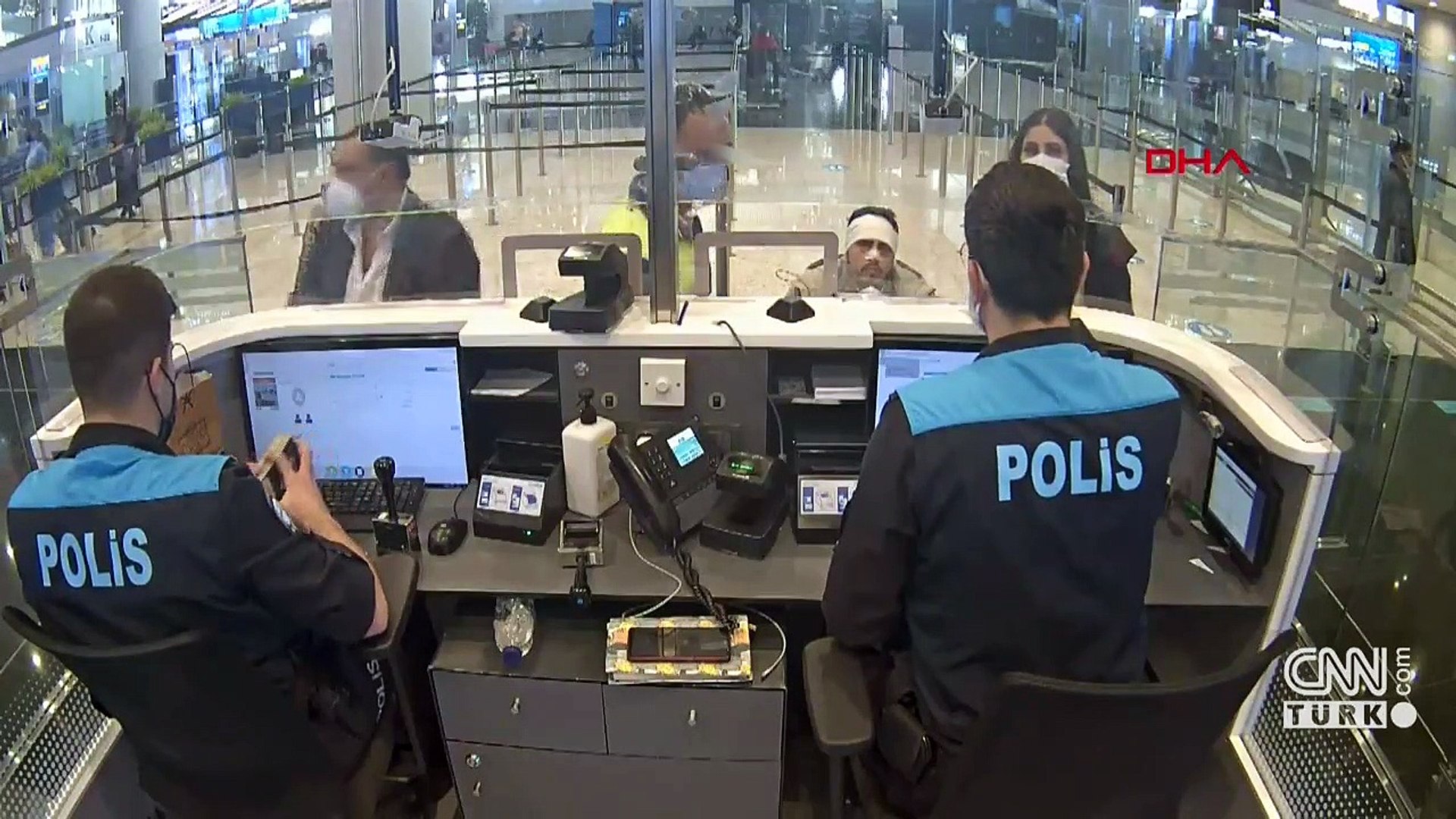
    A Turkish court has jailed journalist Mehmet Yılmaz, a former editor at newspapers shut down by the government following a coup attempt in 2016 over alleged links to the faith-based Gülen movement, the state-run TRT Haber news website reported.

    Police detained Yılmaz, whom the authorities had been seeking for a decade, along with Abdullah Ilık, convicted on terrorism charges over alleged Gülen links, and Serdar Uluocak, a dismissed police officer, during raids in four İstanbul districts. The two other men were also jailed.

    Yılmaz previously worked as an editor at the Bugün daily and held various positions at the Zaman newspaper before becoming editor-in-chief of the Özgür Düşünce newspaper.

    Following a July 2016 coup attempt, Turkish authorities shut down more than 160 media outlets by emergency decree and jailed scores of journalists, many over alleged links to the Gülen movement.

    Police accused Yılmaz of using ByLock, an encrypted messaging app, once widely available on Apple’s App Store and Google Play, that Turkish authorities claim was used as a secret communication tool for Gülen supporters.

    Turkish President Recep Tayyip Erdoğan has targeted the faith-based Gülen movement, inspired by Muslim cleric Fethullah Gülen, who died in 2024, since corruption investigations in December 2013 implicated Erdoğan as well as some members of his family and inner circle. He dismissed the probes as a Gülenist conspiracy and designated the movement as a terrorist organization in May 2016, intensifying a sweeping crackdown after the coup attempt in July of the same year that he accused Gülen of orchestrating. The movement denies involvement in the coup attempt or any terrorist activity.

    Ilık had been sought by authorities for three years and had previously been sentenced to more than six years in prison for membership in an armed terrorist organization over alleged links to the Gülen movement.

    The report did not specify the charges against Uluocak or whether he had been previously convicted of any crime.

    According to the latest figures from the justice ministry, more than 127,000 people have been convicted of alleged links to the movement since 2016, with 10,485 still in prison and legal proceedings ongoing against 83,404 individuals.

    This article is republished from the Stockholm Center for Freedom.
  • Ailing Turkish prisoner has leg amputated after repeated ‘fit for prison’ assessments

    Ailing Turkish prisoner has leg amputated after repeated ‘fit for prison’ assessments

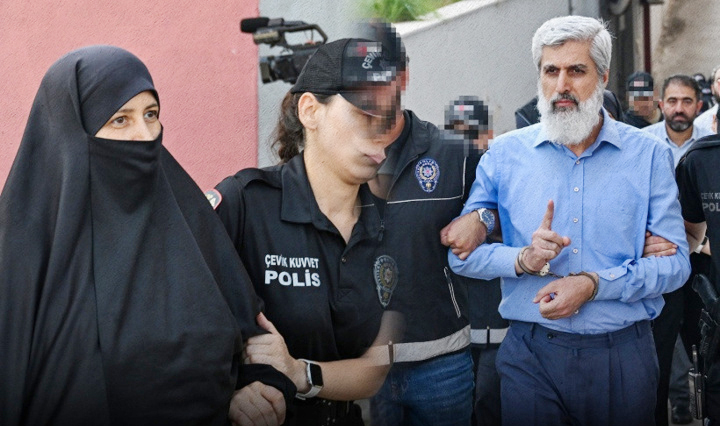
    A Turkish prisoner convicted over alleged links to the faith-based Gülen movement has had his left leg amputated below the knee after repeated medical assessments found him fit to remain incarcerated despite his deteriorating health, his daughter said on Friday.

    Abdullah Tırpan underwent surgery at İstanbul’s Başakşehir Çam and Sakura City Hospital, where he had been transferred from Metris Prison earlier this week, the TR724 news website reported.

    His daughter, Esra Tırpan Yakut, said doctors had amputated his left leg below the knee but were planning a second operation to remove more of the limb above the knee because the infection had spread farther up his leg.

    “I don’t know what to say or how to express my feelings,” she said. “I’m very sad.”

    The amputation follows a series of medical assessments that concluded Tırpan could remain in prison despite multiple serious health problems, including diabetes, nerve damage and circulatory disorders.

    Turkey’s Council of Forensic Medicine, a state body that assesses prisoners’ fitness to remain incarcerated, concluded on December 17, 2025, that Tırpan could remain in prison. Medical boards at Tekirdağ City Hospital reached similar conclusions on May 7 and June 30, 2026.

    The June report documented several chronic illnesses but concluded that Tırpan could manage his daily activities without assistance and did not require the suspension of his sentence on medical grounds.

    Another examination on October 6 reportedly found no medical obstacle to his continued imprisonment, less than three weeks before the amputation.

    Independent lawmaker Mustafa Yeneroğlu, who visited Tırpan at Metris Prison earlier this month, warned on October 9 that the prisoner could die without urgent medical intervention.

    Yeneroğlu said Tırpan had advanced gangrene, severe discoloration and large open wounds on his left leg. He was unable to stand or meet his basic needs on his own, according to the lawmaker, who questioned medical assessments concluding otherwise.

    Tırpan’s daughter announced on X on October 20 that doctors had obtained the family’s consent to amputate her father’s leg and appealed to authorities to suspend his sentence so he could receive treatment outside prison.

    The family continues to seek the suspension of his sentence. It was not immediately clear whether authorities had initiated a new medical assessment following the amputation.

    Under Article 16 of Turkey’s Law on the Execution of Sentences, the enforcement of a prison sentence may be suspended in certain cases involving serious illness or disability. The Justice Ministry says authorities can reopen the review process when a prisoner’s health deteriorates, even after an earlier request has been rejected.

    Tırpan, a father of five who worked as a butcher for 55 years in the northwestern province of Tekirdağ, was sentenced to seven-and-a-half years in prison on August 8, 2019, for membership in an armed terrorist organization over his alleged involvement in the Gülen movement. Turkey’s Supreme Court of Appeals upheld his conviction on March 7, 2022.

    Turkish President Recep Tayyip Erdoğan has targeted the faith-based Gülen movement, inspired by Muslim cleric Fethullah Gülen, who died in 2024, since corruption investigations in December 2013 implicated him as well as some members of his family and inner circle. He dismissed the probes as a Gülenist conspiracy and designated the movement as a terrorist organization in May 2016, intensifying a sweeping crackdown after a coup attempt in July of the same year that he accused Gülen of orchestrating. The movement denies involvement in the coup attempt or any terrorist activity.

    The evidence cited in his conviction included having shares in a company operating a private school allegedly affiliated with the movement, participating in religious discussion meetings, making charitable donations to the movement, subscribing to the now-closed Zaman newspaper and maintaining an account at Bank Asya, a bank formerly affiliated with the movement.

    The court also cited his decision to send his children and grandchildren to schools associated with the movement and his possession of certain religious publications.

    Since the coup attempt in 2016, the Turkish government has accepted such activities as having an account at now-shuttered Bank Asya, one of Turkey’s largest commercial banks at the time; using the ByLock messaging application, an encrypted messaging app that was available on Apple’s App Store and Google Play; and subscribing to the now-shut-down Zaman daily or other publications affiliated with members of the movement as benchmarks for identifying and arresting alleged followers of the Gülen movement on charges of membership in a terrorist organization.

    Tırpan denied the criminal allegations. He was first arrested in August 2016 and spent approximately 19 months in pretrial detention before being released pending the outcome of his legal proceedings. He was imprisoned again in February 2025 following the finalization of his sentence.

  • Turkish teacher facing possible cancer recurrence jailed again over alleged Gülen links

    Turkish teacher facing possible cancer recurrence jailed again over alleged Gülen links

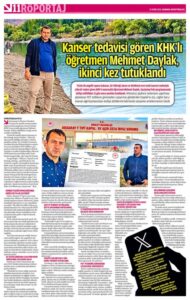
    A former Turkish teacher who underwent extensive treatment for advanced cancer has been jailed again over alleged links to the faith-based Gülen movement 13 days after his release, preventing him from undergoing a medical examination for a possible recurrence of the disease, the TR724 news website reported.

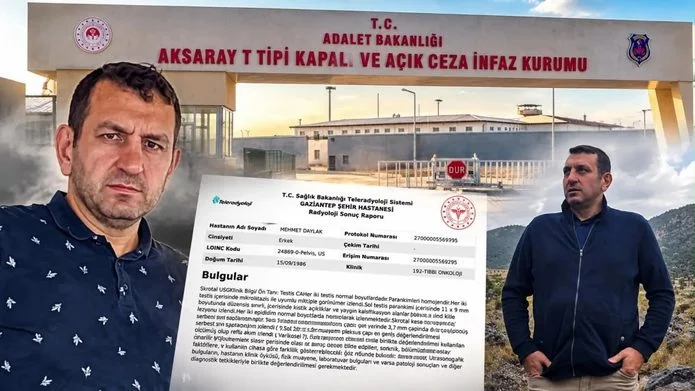
    Mehmet Daylak, who has been assessed as 86 percent disabled under Turkey’s medical disability classification, indicating a severe loss of bodily function, was taken into custody on October 7, a day before he was scheduled to undergo a PET scan, according to his wife.

    The Gaziantep 2nd High Criminal Court sentenced Daylak to more than seven years in prison on September 24 for membership in an armed terrorist organization over alleged links to the Gülen movement but ordered his release pending appeal. His conviction is not yet final.

    Daylak was arrested on May 5, 2025, as part of an investigation into the alleged restructuring of the Gülen movement.

    His wife said recent MRI and CT scans had shown abnormalities suggesting the cancer might have returned. After his release in September, Daylak visited Hacettepe University Hospital in Ankara, where a PET scan was scheduled for October 8.

    Police detained Daylak in the central province of Aksaray following a prosecutor’s objection to a court order for his release. His wife said the family had submitted medical reports and requests for examinations to the authorities but had been unable to secure his release. Daylak is currently being held at Aksaray Prison.

    Turkish President Recep Tayyip Erdoğan has targeted the faith-based Gülen movement, inspired by Muslim cleric Fethullah Gülen, who died in 2024, since corruption investigations in December 2013 implicated Erdoğan as well as some members of his family and inner circle. He dismissed the probes as a Gülenist conspiracy and designated the movement as a terrorist organization in May 2016, intensifying a sweeping crackdown after a coup attempt in July of the same year that he accused Gülen of orchestrating. The movement denies involvement in the coup attempt or any terrorist activity.

    Daylak was diagnosed with testicular cancer in 2014, which later progressed to stage four and spread to several parts of his body. According to his wife, he underwent multiple surgeries, intensive chemotherapy and a stem cell transplant. His treatment included the removal of his left kidney, gallbladder and part of his liver.

    Daylak also suffers from diabetes and gout, which sometimes leave him unable to walk for extended periods, his wife said. She expressed concern that his health could deteriorate further in prison and called for uninterrupted access to medical examinations and treatment.

    Pro-Kurdish Peoples’ Equality and Democracy Party (DEM Party) lawmaker and human rights defender Ömer Faruk Gergerlioğlu criticized the decision to return Daylak to prison despite his serious health problems, accusing authorities of disregarding the health of seriously ill prisoners and adding to overcrowding in prisons.

    Following his cancer treatment, Daylak was appointed as a mathematics teacher in 2015 through a government recruitment program for people with disabilities and began working in Osmaniye.

    Daylak was first jailed in 2017 over alleged links to the Gülen movement and released seven months later on health grounds. He was subsequently sentenced to more than eight years in prison on terrorism charges based on activities including depositing money in Bank Asya, a now-closed bank linked to the movement. The Supreme Court of Appeals overturned the conviction, and the case remains pending.

    According to the latest figures from the justice ministry, more than 127,000 people have been convicted of alleged links to the movement since 2016, with 10,485 still in prison and legal proceedings ongoing against 83,404 individuals.