Category: Life & Culture

  • Walking for water, riding for humanity: ARO and AFD unite Australia for clean water

    Walking for water, riding for humanity: ARO and AFD unite Australia for clean water

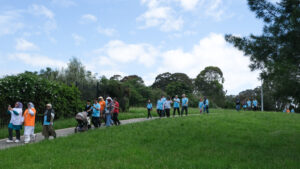
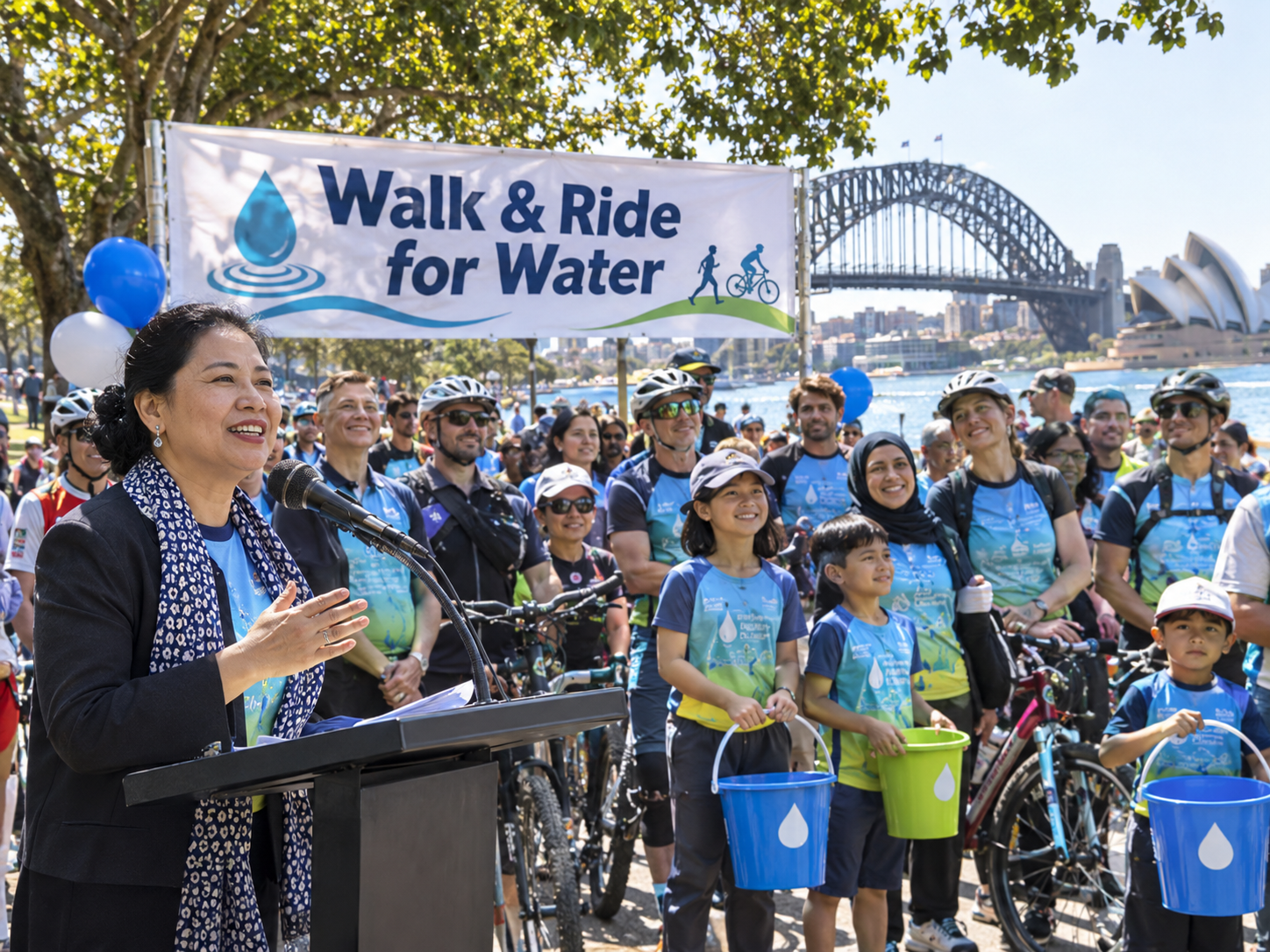
    Hundreds of volunteers across Australia walked and cycled in solidarity with children and families struggling to access safe drinking water. Organised by the Australian Relief Organisation (ARO) and Advocates for Dignity (AFD), the nationwide “Walk & Ride for Water” campaign brought together approximately 500 participants across Sydney, Melbourne, Adelaide and Perth. The initiative aims to raise $60,000 to fund sustainable water wells in Africa and Asia and support a clean water project at a regional Australian school.
    FOUR AUSTRALIAN CITIES UNITE FOR CLEAN WATER

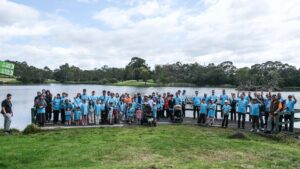
    Hundreds of Australians joined a nationwide humanitarian campaign on Sunday, 1 November 2026, walking and cycling to raise awareness of the challenges faced by communities without reliable access to safe drinking water.

    The “Walk & Ride for Water” campaign, jointly organised by the Australian Relief Organisation (ARO) and Advocates for Dignity (AFD), brought together families, students, community leaders and volunteers from diverse cultural backgrounds.

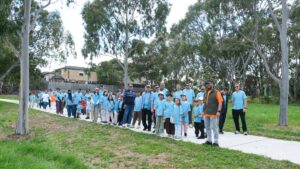
    Held simultaneously in Sydney, Melbourne, Adelaide and Perth, the campaign attracted approximately 500 participants nationwide.

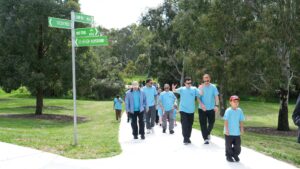
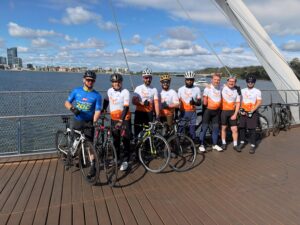
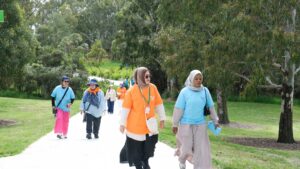
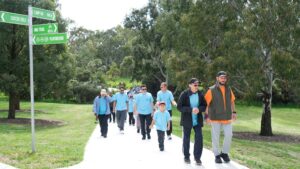
    Participants took part in five-kilometre community walks and cycling routes of 10, 55 and 70 kilometres, depending on the city.

    The campaign aimed to draw attention to the daily struggles of children in Africa and Asia who are forced to walk long distances to collect water, often from unsafe sources. Following the morning walks and cycling activities, participants gathered at Amity College’s Prestons campus for a community programme and breakfast.

    FEDERAL MP ANN STANLEY: SUPPORTING PEOPLE IN NEED IS A HUMANITARIAN RESPONSIBILITY

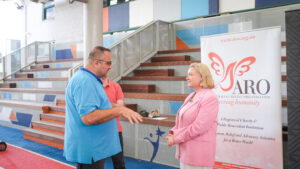
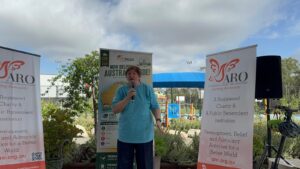
    In Sydney, approximately 100 people participated in the event, including families, children, cyclists and community volunteers.ARO Board Chair Dr Ma Wai Wai Myint, who delivered the opening address at the Sydney event, acknowledged the Traditional Owners of the land and paid respect to Australia’s First Nations peoples.

    Highlighting the importance of community solidarity and access to clean drinking water, she thanked the volunteers for their support, saying, “Your presence here today, walking and cycling alongside us, demonstrates just how important this cause is.” ARO has helped establish more than 260 water wells, providing thousands of children and families, particularly in Africa and Asia, with access to safe drinking water.

    Federal MP Ann Stanley attended the event alongside NSW State MP Nathan Hagarty, local councillors, educators, students and representatives of community organisations.

    Addressing participants, Stanley emphasised the importance of clean drinking water for human health, education and quality of life.

    She noted that while Australians generally have access to safe drinking water through their household taps, millions of people around the world continue to face serious difficulties obtaining this essential resource.

    Stanley highlighted the humanitarian responsibility of helping those in need and acknowledged the volunteers who had gathered early in the morning to support communities they had never met.

    She also commended the organisers and participants for their contribution to the campaign.
    ARO PRESIDENT HIGHLIGHTS THE POWER OF COMMUNITY SOLIDARITY

    The President of ARO opened the Sydney programme by acknowledging the Traditional Owners of the land and paying respect to Australia’s First Nations peoples.

    In his address, he thanked participants for their commitment to the campaign and highlighted the importance of collective action in improving access to safe drinking water.

    ARO has supported the construction of more than 260 water wells, providing thousands of children and families with access to clean water.

    Children in some disadvantaged communities walk up to six kilometres each day to collect water, often at the expense of their education and wellbeing.

    ARO’s water projects aim to reduce the risk of waterborne diseases, improve health outcomes and allow children to spend more time in school.


    AFD CHAIR MEHMET SARAL THANKS VOLUNTEERS

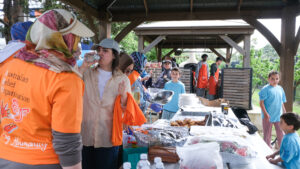
    AFD Board Chair Mehmet Saral also delivered a brief address during the Sydney programme.

    Saral highlighted the importance of humanitarian assistance and community solidarity in responding to the needs of people facing water insecurity.

    He thanked the volunteers and participants for supporting the initiative and contributing to the success of the nationwide campaign.

    AFD worked alongside ARO in coordinating the activities, bringing together volunteers and supporters from different communities across Australia.
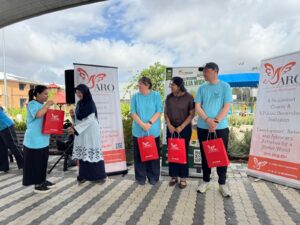
    $60,000 FUNDRAISING TARGET FOR AFRICA, ASIA AND REGIONAL AUSTRALIA

    The organisers set a fundraising target of $60,000 to support the construction of sustainable water wells in rural communities across Africa and Asia.

    The campaign also aims to fund a clean water project at a regional school in Australia.

    Access to safe drinking water can improve children’s health and educational opportunities while reducing the daily burden on families who must travel long distances to collect water.

    The initiative reflects the organisations’ commitment to supporting vulnerable communities both internationally and within Australia.
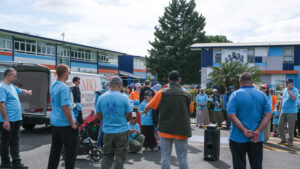
    CHILDREN LEARN ABOUT THE DAILY STRUGGLE FOR WATER

    Alongside the walking and cycling activities, the campaign included family-oriented educational initiatives designed to raise awareness of water scarcity.

    One of the activities was the “Water Bucket Challenge”, in which children carried small buckets of water to gain a better understanding of the physical effort required by children living without nearby water supplies.

    The organisers sought to encourage younger generations to develop a greater appreciation of clean water and the importance of compassion, volunteering and social responsibility.

    Schools, families and community organisations played an important role in supporting the nationwide initiative.
    A MESSAGE OF SOLIDARITY FROM AUSTRALIA TO THE WORLD

    By combining physical activity, fundraising and community engagement, the “Walk & Ride for Water” campaign brought together Australians from different backgrounds in support of a shared humanitarian cause.

    The simultaneous events across four major cities demonstrated the contribution of multicultural communities and volunteers to international relief efforts.

    Through the campaign, ARO and AFD aim to help improve access to safe drinking water for children and families in Africa and Asia, while also supporting a regional Australian school.

    The nationwide initiative highlighted the importance of collective action in addressing one of the world’s most pressing humanitarian challenges: access to safe drinking water.ZAMAN Australia
  • THREE MEDALS, TWO GENERATIONS, ONE PROUD LEGACY AT NSW PARLIAMENT

    THREE MEDALS, TWO GENERATIONS, ONE PROUD LEGACY AT NSW PARLIAMENT

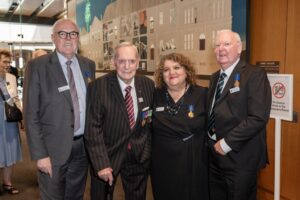
    Monday 19 October 2026 was a particularly memorable and emotional day for me. It marked my first formal engagement as Zia Ahmad OAM, attending the 2026 New Recipients Welcome Reception hosted by the Order of Australia Association NSW Branch at the historic Parliament House in Sydney.

    Having received the Medal of the Order of Australia in the King’s Birthday Honours in June 2026 for service tojournalism and the Muslim community, I felt privileged to join fellow Australians whose contributions to society hadbeen formally recognised.

    But what made the occasion especially meaningful was that, in a sense, I was carrying two generations of service and recognition with me.

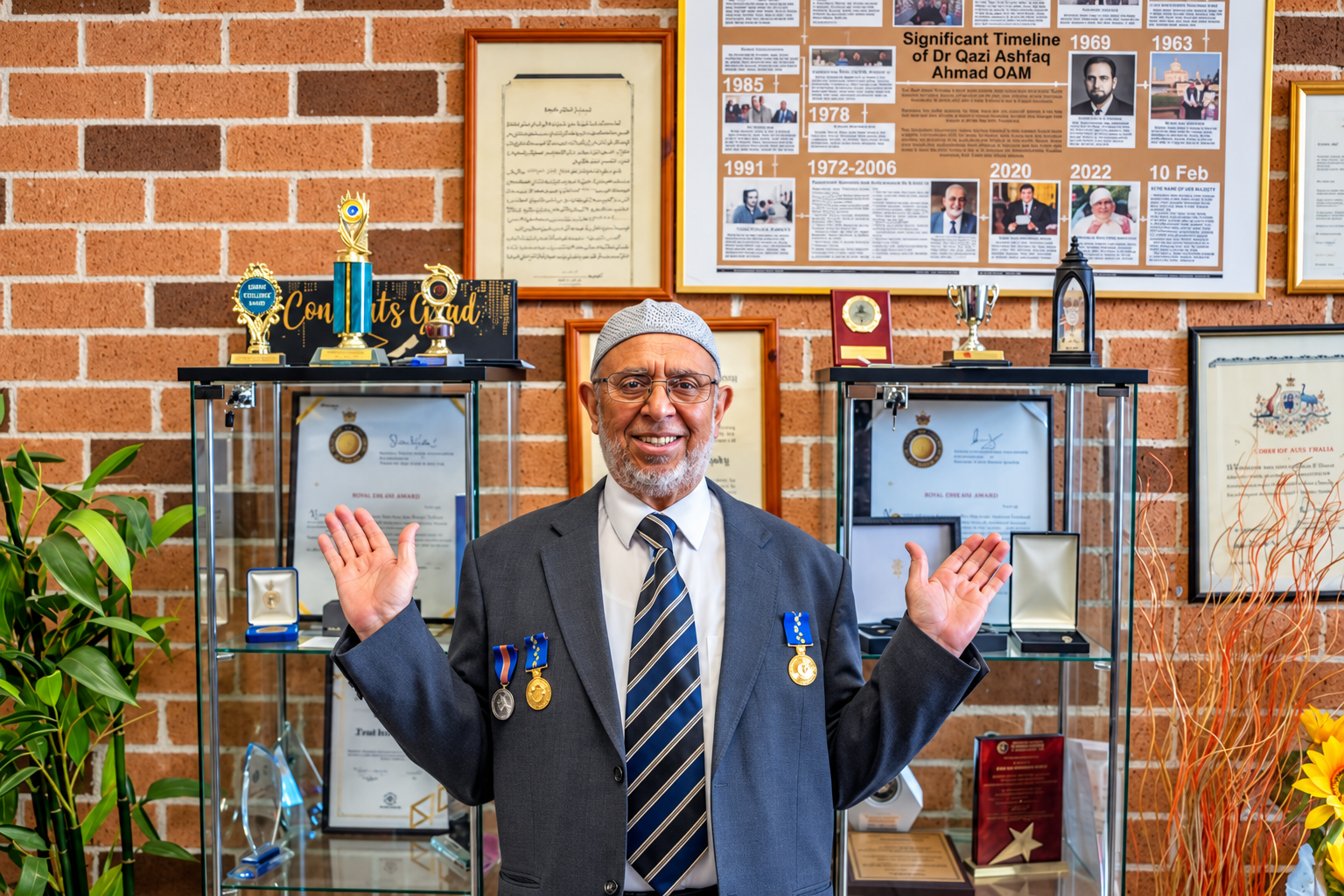
    On the left side of my chest, I proudly wore my own OAM medal. On the right, I wore the two medals of my late father, Dr Qazi Ashfaq Ahmad OAM, his Medal of the Order of Australia and Centenary Medal, in accordance with the convention for wearing the decorations of deceased relatives.

    My father devoted much of his life to community service, and his example profoundly influenced my own journey. Wearing his medals alongside mine was both a tribute to his legacy and a reminder that service to humanity transcends generations.

    It was a moment of gratitude, humility and remembrance.


    Celebrating Australians who serve

    The reception, held in the Strangers Dining Room at NSW Parliament House, brought together newly recognised recipients from diverse professional, cultural and community backgrounds.

    The parliamentary host was Nathan Hagarty MP, Member for Leppington and Government Whip, while Martha Jabour OAM, Deputy Chair of the Order of Australia Association NSW Branch, conducted the proceedings as Master of Ceremonies.

    Dr John Gullotta AM, Chair of the NSW Branch, welcomed guests and acknowledged the extraordinary voluntary and professional contributions made by award recipients throughout Australia.

    He also recognised the indispensable support of families and partners, whose sacrifices often remain unseen behind the achievements being celebrated.

    Dr Gullotta spoke about delays in the national honours nomination process, which had reportedly stretched to nearly four years because of resourcing constraints.

    He expressed optimism that reforms initiated by the Governor-General would reduce the backlog and restore processing times to approximately 12–18 months.

    Gary Smith AM, proposing a toast to the new recipients, beautifully captured the spirit of the occasion:

    “Today we honor Australians who have demonstrated that the true measure of service is not what wereceive but what we give to others.”

    He reminded recipients that recognition was not simply a reward for past achievements, but an encouragement tocontinue serving.

    This message particularly resonated with me. An OAM is not a retirement certificate from community service. Rather, it brings an additional responsibility to contribute, inspire and help others.

    From RedBalloon to the responsibilities of recognition

    One of the highlights was hearing from Naomi Simson OAM, founder of RedBalloon and well-known Shark Tank investor, who spoke on behalf of the newly recognised recipients.

    She humorously recalled almost missing her award notification because the email had landed in her spam folder. When she subsequently received a text message, she initially suspected that too was spam!

    Beyond the humour, her reflections carried a powerful message about leadership, trust and the growing influence of artificial intelligence.

    Recalling advice she had received about continuing to speak and write rather than allowing AI to dominate public discourse, she observed:

    “That is the job for all of us in this room. People look to us. They trust us.”

    As someone who has spent decades in higher education,  journalism, community communication and public engagement, I found her observations particularly relevant.”

    Technology is transforming how we communicate, but human credibility, compassion, integrity and trust remain irreplaceable.


    A thoughtful gesture of halal hospitality

    Amid the formal speeches and celebrations, one small incident left a particularly lasting impression on me.

    During lunch and group photography dessert had already been served when the catering supervisor approached and replaced mine. The supervisor explained that the other desserts contained gelatine and that a specially prepared halal dessert had been provided for me.I had not needed to raise the issue myself. It was a simple but deeply appreciated act of thoughtfulness. This was multicultural Australia at its practical best — respecting religious dietary requirements through quiet consideration and professional duty of care.

    Such gestures may appear small, but they make people from diverse backgrounds feel genuinely welcome, respected and included.

    At a time when we frequently debate multiculturalism, diversity and social cohesion, this experience reminded me that inclusion is demonstrated not only through speeches and policies, but through everyday actions.

    Conversations across generations and professions

    Equally enjoyable were the informal conversations over lunch with fellow recipients and guests.

    I met Australians whose contributions spanned pharmacy education, architecture, heritage conservation, technology and community service.

    Our discussions ranged from the early days of computing in the 1970’s to the distinctive Brutalist architecture of UTS Tower building and the Biochemistry Building at the University of Sydney.

    These conversations highlighted the extraordinary range of experiences and expertise represented among Order of Australia recipients.

    People from very different walks of life had come together through a shared commitment to contributing something meaningful to Australian society.

    The formal proceedings concluded with the Loyal Toast to King Charles III, Sovereign Head of the Order of Australia, proposed by Dianne North OAM.

    An honour, a responsibility and a family legacy

    As I reflected on the afternoon, I thought again of my late father and the values he instilled in our family.

    Arriving in Australia from India in 1971 as a young man of 18, I could scarcely have imagined that, more than five decades later, I would be standing at NSW Parliament House wearing my own OAM medal alongside my father’s two decorations.

    My journey through science, education, journalism and community service has been shaped by countless individuals, colleagues, volunteers and family members.

    Through AMUST, we have sought to inform, connect and empower communities, promote understanding and providea platform for voices that are too often overlooked.

    Recognition through the Order of Australia is therefore not simply a personal achievement. It also reflects the collective efforts of those who have worked alongside me over the years.

    For me, wearing three medals that day was not merely about celebrating recognition.

    It was about honouring my father’s legacy, appreciating Australia’s recognition of community service, and renewing my commitment to continue serving the wider Australian community.AMUST

  • New documentary explores Gülen’s legacy as his movement faces crackdown and exile

    New documentary explores Gülen’s legacy as his movement faces crackdown and exile

    Fatma Zibak

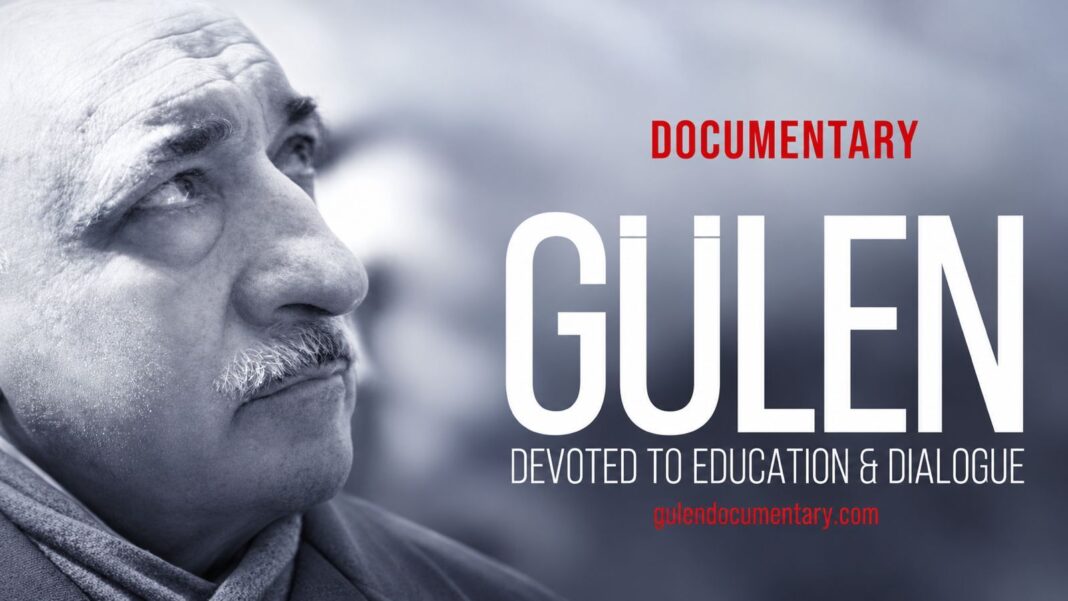
    A new documentary premiering on YouTube on October 17 examines how Turkish Muslim cleric Fethullah Gülen’s teachings encouraged followers to establish schools and promote dialogue around the world, and how his movement is navigating repression, exile and life after his death, according to its producers.

    The 90-minute film, “GULEN: Devoted to Education & Dialogue,” features 35 interviewees from 14 countries. Its release comes three days before the second anniversary of Gülen’s death on October 20, 2024.

    Directed by Ahmet Ünal and produced by Raindrops Productions LLC, with Rıdvan Kızıltepe as project coordinator, the documentary follows Gülen’s ideas beyond Turkey through interviews with academics, observers and people who knew him or participated in his movement.

    Education was central to Gülen’s teachings. He encouraged his followers to open schools that taught both academic subjects and moral values, saying that science and religious faith could go hand-in-hand.

    That approach helped the movement, known as Hizmet, or “service” in Turkish, expand internationally. Schools established by its participants became its most visible institutions, along with charities, professional associations and organizations promoting dialogue between religions.

    By the time of Gülen’s death institutions associated with the movement had operated in more than 100 countries, according to The Associated Press. Their reach extended from Central Asia and Africa to Europe and the United States.

    The documentary examines that educational work along with Gülen’s views on science, faith, peace and social change. Organized into nine thematic chapters, it begins with personal encounters with the cleric before considering how his teachings influenced communities in different countries, the producers said.

    Gülen’s support for interfaith dialogue included a meeting with Pope John Paul II in 1998. His followers subsequently established organizations that brought people from different religious traditions together.

    But the movement’s international growth was followed by a rupture with the Turkish government and a crackdown that reshaped its institutions and scattered many of its participants abroad.

    Gülen and his followers initially supported Recep Tayyip Erdoğan’s government against Turkey’s military-backed secular establishment. Their alliance later broke down amid disagreements over government policy and corruption investigations targeting Erdoğan’s inner circle. Erdoğan denied the corruption allegations and accused Gülen’s followers of building a parallel state within the police and the judiciary.

    After a failed coup on July 15, 2016, that claimed the lives of 251 people, the government accused Gülen and his movement of organizing the uprising. Gülen strongly denied involvement and condemned the coup attempt.

    Turkey sought his extradition from the United States, where he had lived since traveling there for medical treatment in 1999. Washington requested further evidence and never extradited him. He was not charged with a crime in the United States.

    The crackdown that followed brought tens of thousands of arrests, the dismissal of nearly 130,000 people from public service under emergency decrees and the closure of schools, businesses and media organizations associated with the movement.

    The campaign against alleged members has continued beyond Gülen’s death. Turkish officials have claimed that the movement remains a security threat, while its supporters describe the prosecutions as punishment for their religious beliefs and associations.

    Against that background, the film examines the movement’s future after Gülen’s death along with the coup attempt and its aftermath, including exile and the challenges of keeping communities together outside Turkey.

    Scott C. Alexander, a professor of Islamic studies at Catholic Theological Union in Chicago and a board member of the Hizmet-associated Alliance for Shared Values, claims that the movement’s future depends on its participants and their ability to endure what he describes as an exceptionally severe challenge: a powerful state using its economic, political and, to some extent, military power against unarmed civilians.

    “Many in the movement were traumatized. That is only natural. But what I have seen is that the movement is surviving the trauma,” he says in the documentary.

    The scale of the crackdown is reflected in figures Turkish Justice Minister Akın Gürlek released in July: More than 720,000 people had faced legal proceedings since 2016 and more than 127,000 had been convicted. Investigations or trials involving another 83,404 people were ongoing, while 10,485 people were in prison over alleged movement membership or involvement in the coup attempt.

    The crackdown has also driven people accused of links to the movement to flee Turkey, sometimes taking dangerous routes across the Evros River into Greece or attempting sea crossings in small boats.

    The state’s treatment of the movement is a central question for Anwar Alam, a scholar of international relations and Islamic movements interviewed in the documentary.

    He sees the conflict as a struggle over the relationship between the state and civil society, arguing that Gülen’s encouragement of civic participation challenged political traditions that placed the state at the center of public life.

    “Whereas the Hizmet movement was trying to deepen the democracy, the state found that it is no more in control of civil society,” Alam says in the documentary.

    Other interviews explore women’s efforts to gain a greater voice in decision-making and the challenge of passing the movement’s values to younger generations.

    Those questions lead into the documentary’s final chapter, which considers how Hizmet will continue without the religious figure whose teachings brought its participants together.

    Gülen died at a Pennsylvania hospital at the age of 83 after years of ill health. The local coroner said his death was from natural causes.

    The documentary is scheduled to premiere on the Gulen Documentary YouTube channel, with teasers, interview clips and excerpts to be released beforehand.

  • Turkish comedian says he has no regrets after 88 days in jail

    Turkish comedian says he has no regrets after 88 days in jail

    Turkish comedian Deniz Göktaş has said he never regretted the stand-up performance that landed him in jail for 88 days, telling The New York Times that the experience strengthened his confidence and his commitment to speaking freely.

    “Not even one second,” he said when asked whether he had regretted releasing the show. “It was the period of my life when I felt the least lonely.”

    In his first interview since leaving prison last month, Göktaş told the newspaper that he had wanted his courtroom defense to encourage other comedians to speak without fear, even after people close to him warned that it could prolong his detention.

    “I didn’t want to be apologetic,” he said. “Spending three months in prison is terrible, but I wanted to demonstrate that it isn’t something an artist can’t handle in defense of a principle.”

    The 32-year-old was convicted on September 28 of insulting President Recep Tayyip Erdoğan and publicly insulting religious values. The court sentenced him to just over 19 months in prison but ordered his release pending appeal. It acquitted him of praising crime and criminals.

    The prosecution concerned remarks in his second stand-up special, “Ölü Deniz” (Dead Sea), a 90-minute performance that moves between political satire and observations about Turkish society. Its subjects include Erdoğan, jailed İstanbul Mayor Ekrem İmamoğlu, religion, nationalism, universities, public protests and the secular children of conservative families.

    Behind Göktaş onstage sits a giant replica of his own severed head. He told the Times that the image was intended to evoke a guillotine because the show was built around death and censorship.

    One joke described Erdoğan’s evolution from a “shy dictator” into one who had become confident and at peace with himself. Göktaş said he had performed the material across Turkey for three years without facing the same consequences. The special reached a much larger audience after its release on YouTube, attracting 15 million views.

    At his trial Göktaş defended political comedy as part of Turkey’s longstanding tradition of satire. His remarks repeatedly drew laughter in the courtroom as he challenged the prosecution’s interpretation of his jokes.

    “Dictator is not an insult: it is a political characterization,” he said, arguing that a political comedy show that avoided mentioning the country’s president would have little connection to reality.

    He said similar jokes had been made in the past without prosecution and attributed the change to leaders’ declining tolerance of criticism.

    His defense also invoked American comedian Lenny Bruce, who was prosecuted over a comedy routine in 1964. Asked by the Times what he drew from Bruce’s work, Göktaş pointed to being true to oneself and retaining a mischievous lack of restraint.

    Göktaş was detained at İstanbul Airport on July 2 after returning from a trip abroad and jailed the following day. A court later ordered access to the video blocked in Turkey, citing national security and public order concerns.

    In late August a court approved his release, but prosecutors secured a new detention order before he could leave prison. The additional accusation of praising crime and criminals concerned a passage from the same show mentioning the Daltonlar criminal gang. Göktaş denied praising the group, saying the joke criticized crime and violence.

    Speaking to the Times, he described how growing success had initially made him more cautious.

    “As I got bigger and more established, I had more to lose. I started self-censoring my work. That bugged me,” he said.

    He felt that members of his audience, including students and retirees, were showing more courage in their daily lives than he was onstage. He eventually decided to return to saying whatever he found funny, regardless of the consequences.

    “It might be a bit romantic, but my first day in the cell, I slept the best sleep of my life.”

    Göktaş wrote about 20 minutes of new material in prison that he hopes to perform next year. But one of his first diary entries reminded him not to let the case dominate his future shows.

    His prosecution brought renewed attention to Article 299 of Turkey’s penal code, which criminalizes insulting the president. In 2021 the European Court of Human Rights ruled that giving a head of state special protection under criminal law was incompatible with freedom of expression and called for the provision to be amended.

    Göktaş said comedy could offer empathy, motivation and the courage to speak, although he did not see it as capable of defeating authoritarianism on its own.

    “Ultimately, I don’t think they’re only going after comedians,” he said. “They want to silence everyone.”

    Asked about American comedians’ complaints over cancel culture and online attacks, he answered with a joke: “I don’t want to brag, but we have cancel culture — and jail.”

  • Turkey probes TR724 news outlet over coverage of crackdown on Süleymanlılar religious group

    Turkey probes TR724 news outlet over coverage of crackdown on Süleymanlılar religious group


    Turkish prosecutors have launched an investigation into TR724, a Turkish media outlet established by journalists in exile, over its coverage of an ongoing crackdown on the Süleymanlılar religious community and developments surrounding the suspicious death of one of its former leaders.

    The Bakırköy Chief Public Prosecutor’s Office said on September 10 that it had opened the investigation under Article 217/A of the Turkish Penal Code, commonly known as Turkey’s “disinformation law,” accusing TR724 of publishing “false, manipulative and misleading” content about the 2016 death of former transport minister Arif Ahmet Denizolgun, who was also a former leader of the Süleymanlılar.

    The prosecutor’s office did not identify a specific TR724 report, piece of information or statement that it considered false or explain what evidence contradicted the outlet’s reporting.

    Prosecutors said they instructed the İstanbul Police Department’s security branch to identify statements made in TR724’s social media broadcasts, establish the identities and addresses of the people involved and carry out the necessary judicial procedures.

    The statement did not announce detention warrants for any TR724 journalists.

    TR724 described the investigation as an attempt to silence the outlet over its coverage of the crackdown on the Süleymanlılar, a religious community that has not endorsed President Recep Tayyip Erdoğan’s ruling Justice and Development Party (AKP), saying it has closely followed the operations since they began in August and reported both the authorities’ allegations and developments surrounding Denizolgun’s death.

    The former minister’s death in 2016 became the subject of a renewed investigation this year, leading to the exhumation of his remains in August.

    Prosecutors later recovered video of his original autopsy after authorities had initially said no recording could be found. A subsequent forensic report classified his death as suspicious and said an intentional killing could not be ruled out.

    The findings led prosecutors to investigate current Süleymanlılar leader Alihan Kuriş and several others for murder.

    Despite these developments having been publicly announced by the authorities, the Bakırköy prosecutor’s office did not specify which part of TR724’s reporting it considers false or misleading.

    Police launched raids across 17 provinces on August 13 as part of the crackdown targeting Süleymanlılar, in an Ankara-based investigation involving allegations including running a criminal organization, money laundering, fraud and tax violations.

    Prosecutors issued detention warrants for 49 people in the first phase, and Kuriş and 31 others were subsequently jailed pending trial. The investigation later expanded, with additional arrests and the seizure of companies and associations linked to the group.

    Justice Minister Akın Gürlek has denied that the government is targeting a religious group, describing the case as a financial crimes investigation directed at its leadership. He said Thursday that Turkey had also requested judicial assistance from Germany over transfers of funds abroad.

    The Süleymanlılar have never built close ties with Erdoğan or the AKP and have at times backed opposition parties. Observers view the operation as a warning that religious communities could face state pressure if their political positions displeased the government.

    The operations followed months of criticism of the group by politicians and media figures close to the government.

    The Süleymanlılar trace their roots to Quran teaching begun by Islamic scholar Süleyman Hilmi Tunahan in the 1920s and now run courses, dormitories, charities and businesses in Turkey and Europe.

    Article 217/A, which took effect in 2022, makes it a criminal offense punishable by up to three years in prison to publicly disseminate false information on certain matters in a way deemed capable of causing fear, panic or concern. Press freedom groups have repeatedly called for its repeal, saying it has been used to criminalize legitimate journalism.

  • Turkey detains 20 in raids over alleged Gülen movement links

    Turkey detains 20 in raids over alleged Gülen movement links

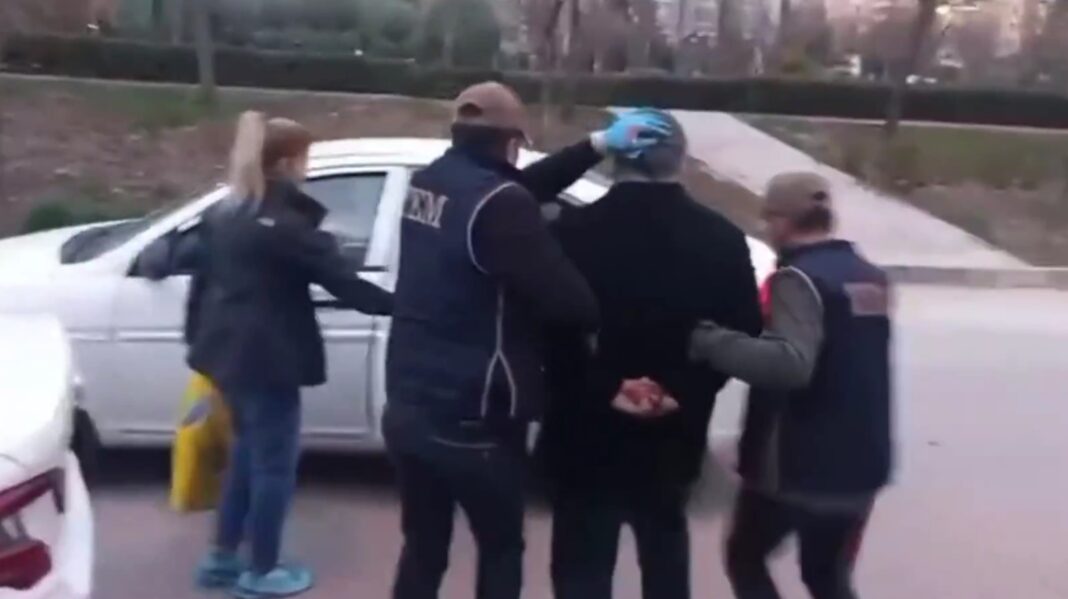
    Turkish police have detained 20 people in raids across six provinces over alleged links to the faith-based Gülen movement, the state-run TRT Haber reported Friday.

    The operation was carried out at 21 locations under the coordination of the İstanbul Chief Public Prosecutor’s Office as part of an investigation into what Turkish authorities describe as the movement’s covert network within the police. Those detained comprise five currently serving civil servants, three who had previously been dismissed from public service and 12 private-sector employees.

    Turkish President Recep Tayyip Erdoğan has targeted the faith-based Gülen movement, inspired by Muslim cleric Fethullah Gülen, who died in 2024, since corruption investigations in December 2013 implicated him as well as some members of his family and inner circle. He dismissed the probes as a Gülenist conspiracy and designated the movement as a terrorist organization in May 2016, intensifying a sweeping crackdown after a coup attempt in July of the same year that he accused Gülen of orchestrating. The movement denies involvement in the attempted coup or any terrorist activity.

    Authorities said the suspects were identified in data stored on an SD card provided by a secret witness codenamed “Garson” (waiter). Investigators also cited alleged contacts with members of the movement, accounts or increased deposits at the now-shuttered Bank Asya and records of sequential payphone calls. Prosecutors allege the suspects operated at a supervisory level in the movement’s purported network within the police.

    The files supplied by Garson have been used in numerous criminal and administrative cases involving police officers accused of Gülen links. Turkey’s Constitutional Court ruled in June that authorities had failed to sufficiently verify and explain the use of the files in the dismissal of a former police officer and ordered a retrial in the case.

    The so-called “payphone investigations” are based on call records. The prosecutors allege that a member of the Gülen movement used a single payphone to consecutively call all his contacts. Based on that assumption, when an alleged member of the movement is found in call records, it is assumed that other numbers called right before or after the primary call also belong to people with Gülen links. The authorities do not possess the content of the calls in question. The supposition of guilt is solely based on the order of the calls made from the phone.

    Since the coup attempt in 2016, the Turkish government has accepted such activities as having an account at the now-shuttered Bank Asya, one of Turkey’s largest commercial banks at the time; using the ByLock messaging application, an encrypted messaging app that was available on Apple’s App Store and Google Play; and subscribing to the now-shut-down Zaman daily or other publications affiliated with members of the movement as benchmarks for identifying and arresting alleged followers of the Gülen movement on charges of membership in a terrorist organization.

    This article is republished from the Stockholm Center for Freedom.

  • Luxembourg court grants previously denied refugee status for Turkish man at risk of persecution over Gülen links

    Luxembourg court grants previously denied refugee status for Turkish man at risk of persecution over Gülen links

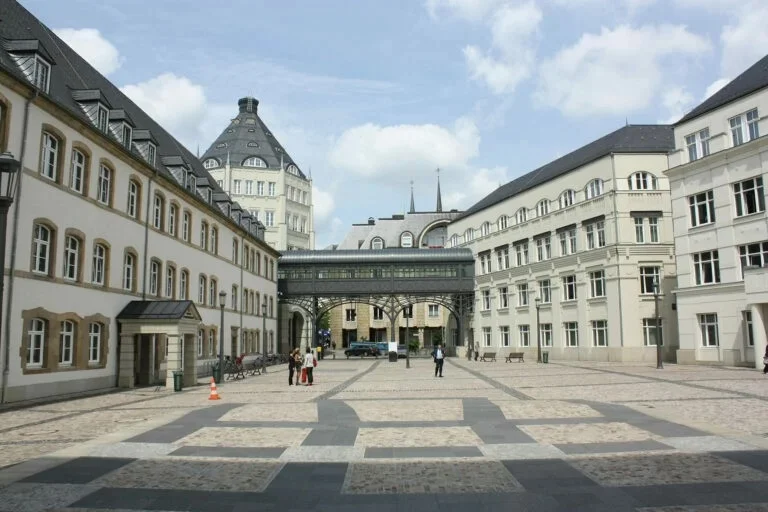
    A Luxembourg court has overturned the rejection of an asylum application filed by a Turkish man linked to the Gülen movement, ruling that his father’s conviction and his own activities with the movement put him at risk of persecution if returned to Turkey.

    The Luxembourg Administrative Court found that the Interior Ministry had wrongly rejected the man’s application and granted him refugee status and canceled an order requiring him to leave the country.

    The ministry had rejected his application in November 2024, saying his father’s prosecution in Turkey did not establish a risk to him and that he had not shown that he was personally targeted by Turkish authorities. It also cited his legal departure from Turkey and his stay in Poland without seeking asylum.

    The court rejected the ministry’s argument that the risk was diminished because the man had not faced persecution before leaving Turkey and did not appear on a 2023 Turkish government list of alleged Gülen movement affiliates abroad. It said his absence from the list did not rule out his being added later and that the list itself showed that Turkish authorities identify and target alleged movement members living abroad.

    Turkish President Recep Tayyip Erdoğan has targeted the faith-based Gülen movement, inspired by Muslim cleric Fethullah Gülen, who died in 2024, since corruption investigations in December 2013 implicated him as well as some members of his family and inner circle. He dismissed the probes as a Gülenist conspiracy and designated the movement as a terrorist organization in May 2016, intensifying a sweeping crackdown after a coup attempt in July of the same year that he accused Gülen of orchestrating. The movement denies involvement in the coup attempt or any terrorist activity.

    The man said he had ties to the Gülen movement from a young age. After leaving Turkey for Poland in 2021, he became involved with Gülen-affiliated organizations there and continued similar activities with a local organization after moving to Luxembourg in 2023.

    The man’s father was convicted in Turkey of membership in a terrorist organization over his links to the Gülen movement and sentenced to prison. Turkey’s Supreme Court of Appeals upheld the conviction in June 2025. The man said his father was imprisoned despite serious health problems and that the family faced social exclusion as a result of the case.

    The court found that his father’s conviction and imprisonment, his own longstanding links to the movement and his public activities with affiliated organizations in Europe established a real risk that he could face similar prosecution and imprisonment by Turkish authorities if returned.

    The court concluded that the combined circumstances showed that his fear of persecution was well-founded, current and sufficiently serious to qualify for refugee status.

    The ruling follows similar decisions in Germany and the Netherlands, where courts overturned asylum rejections involving Turkish nationals with alleged Gülen links, finding that the absence of ongoing criminal proceedings or the completion of a prison sentence did not necessarily rule out a risk of persecution upon return.

    According to the latest figures from the Turkish justice ministry, more than 127,000 people have been convicted of alleged links to the movement since 2016, with 10,485 still in prison and legal proceedings ongoing against 83,404 individuals.This article is republished from the Stockholm Center for Freedom. turkishminute

  • NSW COVID-19 deaths increased by 50 per cent in one week, new data shows

    Deaths from COVID-19 in NSW increased by 50 per cent last week compared with the week before, new data shows.

    As the third wave of the Omicron sub-variant took off across the state, 142 people died with COVID in the week ending July 16, compared with 94 people the previous week.

    Cases have surged to more than 12,000 a day this week, more than double the number reported in mid-June.

    About one in 10 (13 per cent) of the deaths were in unvaccinated people, who number about 200,000 in NSW.

    About 20 per cent of the deaths were in people who had received four doses of vaccine.

    Catherine Bennett, chair of epidemiology at Deakin University said the high number of deaths in those with three or four doses of vaccine reflected the different age-specific vaccination rates.

    People with more doses of vaccine were older and therefore in much higher COVID death risk groups, she said.

    “So that can mask vaccine benefits by making death rates look higher in the more vaccinated people, especially when comparing three with four doses,” Professor Bennett said.

    Nationally, fourth dose rates are higher in those aged over 70 compared with younger Australians.

    The fourth dose was approved for those aged 65 and over in May, and for those aged 30 and over earlier this month.

    A third of the people who died (46) were eligible for a third dose.

    “Within age groups, the death rate is still going to be 10 times lower for the vaccinated people in that group,” Professor Bennett said.

    The data showed that the majority of deaths were in those aged over 70.

    A COVID conference of experts in Sydney on Thursday heard that vaccination induced a far more robust immune response than getting infected with the virus.

    Lab head Amy Chung from the Doherty Institute in Melbourne told the second Australasian COVID-19 conference that protection from vaccination was longer lasting than from infection.

    “We now know the people can get long COVID, about 20 per cent have long-lasting effects, whereas vaccination does not induce any of these side effects,” she said.

    “Vaccination is the way to go, regardless of age – elderly, children. Vaccination is really important.”abcnews

  • Minister and PM Morrison test positive to COVID-19

    Minister and PM Morrison test positive to COVID-19

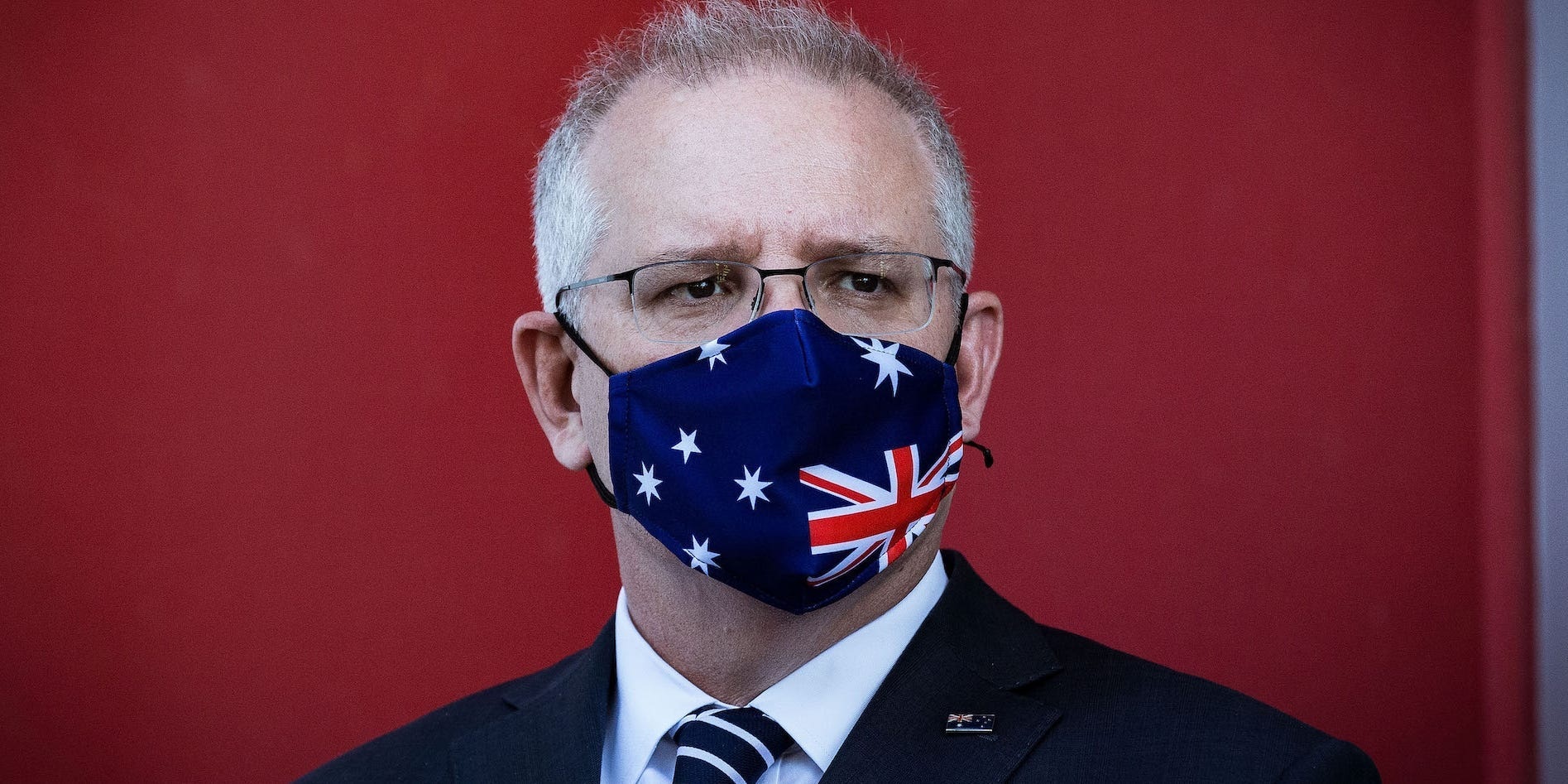
    A senior minister who works closely with Scott Morrison has tested positive to COVID-19, as the prime minister isolates with the virus.

    In a statement late on Tuesday, Mr Morrison said he was experiencing flu-like symptoms and would be recovering over the next week while working from home in Sydney.

    “I had tested myself daily since Sunday, including (Tuesday) morning, with all tests returning a negative result,” he said.

    “I took a further test (on Tuesday) evening after developing a fever. The test was inconclusive so I took a PCR test which returned a positive result.”

    Ben Morton, the minister assisting the prime minister and cabinet, also announced on Wednesday in a statement he tested positive to COVID-19.

    “I am not experiencing any significant symptoms, only a mild headache,” he said.


    “I will continue to fulfil both my ministerial and electorate responsibilities while isolating in Canberra, before returning to Western Australia.”

    In a video posted to Facebook on Wednesday morning, Mr Morrison thanked people for their support.

    Opposition Leader Anthony Albanese said he had messaged the prime minister since the positive COVID result.

    “All Australians wish him a speedy recovery,” he told reporters in Brisbane.

    “On behalf of the Australian Labor Party, we certainly wish the prime minister to be back on deck and fully fit and healthy as soon as possible.”

    Defence Minister Peter Dutton, who was alongside the prime minister during a lengthy press conference in Canberra on Tuesday, has tested negative.

    Mr Morrison plans to virtually chair upcoming meetings of the cabinet’s national security and expenditure review committees using virtual technology.

    He remains focussed on the floods crises in Queensland and NSW and the Russian invasion of Ukraine.

    “(The prime minister’s) determined to work from home, and he’s got a secure video network set up there,” Mr Dutton told Sky News.

    “He’s in good spirits.”

    Queensland Premier Annastacia Palaszczuk, who was with Mr Morrison in Brisbane earlier this week, said she hoped he recovered soon.

    “It just goes to show that COVID is still out there,” she told ABC television.

    “Thankfully, when I met with him it was very short and we both had our masks on. In our job, we meet lots of people all the time.”

    Nationals senator Matt Canavan said COVID-19 had taught almost everyone how to do their job virtually.

    “There is no perfect time for these things to happen, but we’ve all got used to over the past couple of years doing things via Zoom and other technologies,” he said.

    “I’m sure the PM will do everything he can remotely to coordinate, help and assist.”

    Mr Morrison cancelled plans to join NSW Premier Dominic Perrottet on Tuesday night to watch the Opera House being lit up in the colours of the Ukrainian flag.

    He had met Nauru President Lionel Aingimea in Sydney earlier on Tuesday.

    Jenny Morrison and their two daughters have tested negative and, as close contacts, will isolate for seven days.

  • $44 million to expand Australia’s future health and medical research capability

    $44 million to expand Australia’s future health and medical research capability

    The Australian Government is investing in the future competitiveness of Australian health and medical research with more than $44 million for postgraduate scholarships, international collaboration and research infrastructure and equipment through the National Health and Medical Research Council.

    Investment in health and medical research capability through postgraduate scholarships and international partnerships is critical to both create and maintain Australia’s competitive sector.

    This funding is part of the $1 billion available for NHMRC’s 2021 grant round, the highest yet through the Medical Research Endowment Account.

    The postgraduate scholarships will create opportunities for many graduates in medicine and health sciences to pursue their ideas and tackle the health challenges facing our community.

    Today’s investment also includes funding to support international collaboration by established researchers.

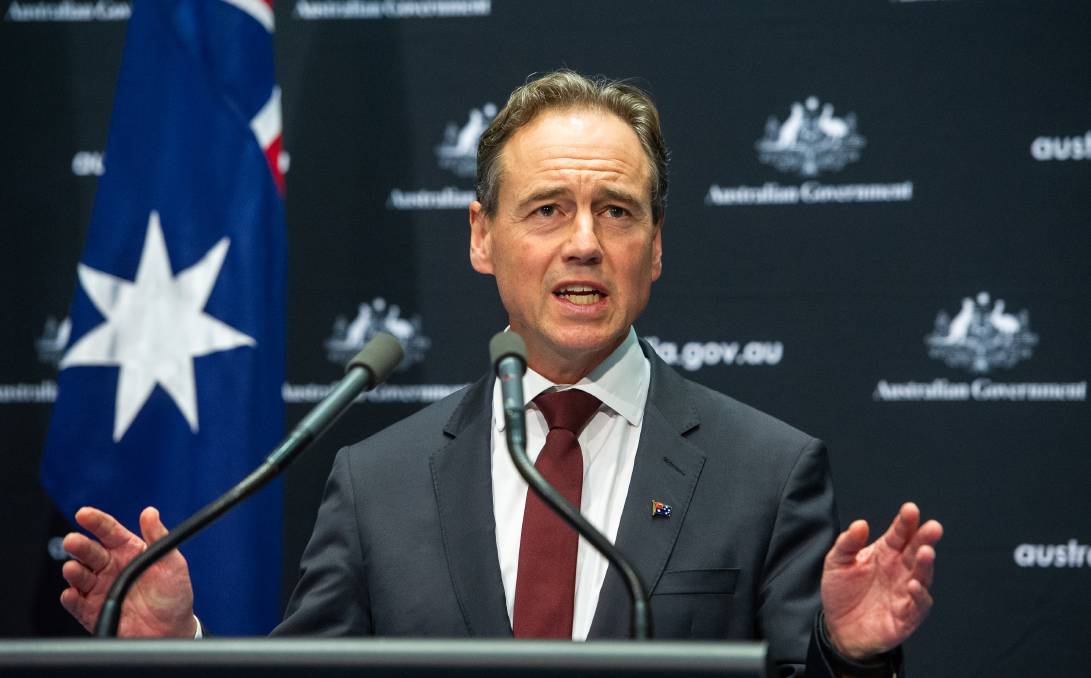
    Minister for Health and Aged Care, Greg Hunt, said sharing scientific knowledge enables Australian researchers to develop best practices and build international research networks that will accelerate discoveries and their translation into better health outcomes.

    “NHMRC’s international partnerships bring researchers together to promote global health objectives and strengthen Australian participation in international research efforts,” Minister Hunt said.

    “This announcement is also an investment in the next generation of Australian medical research leaders, with the careers of many of Australia’s foremost health and medical researchers kick-started by an NHMRC postgraduate scholarship.”

    Funding announced today comprises:

    $25.7 million to contribute to infrastructure costs of research for 21 independent medical research institutes through the Independent Research Institutes Infrastructure Support Scheme (IRIISS).

    More than $7.24 million to support the early research careers of 65 outstanding health and medical graduates through NHMRC Postgraduate Scholarships.

    More than $2.8 million to support collaboration with our regional neighbours, sharing vital resources and ideas to combat complex regional health challenges through NHMRC’s participation in the e-ASIA Joint Research Program.

    More than $2.5 million to support collaborative research with partners through the 2021 NHMRC – European Union Joint Programme – Neurodegenerative Disease Research (JPND) Grants and NHMRC – National Institute for Research Health (UK) Collaborative Research Grants.

    $5.7 million for 45 grants for the procurement of equipment to support the highest quality health and medical research.

    “A strong health and medical research system relies on scientists, clinicians and others working together to share knowledge and accelerate discoveries and their translation into better health outcomes,” NHMRC CEO Professor Anne Kelso AO said.

    “This collaboration begins with postgraduate research students learning from their mentors, sharing skills and ideas, and continues with international partnerships when researchers around the world come together to solve shared health challenges.”