Tag: Germany

  • Turkey accused of blocking Kurdish visitors from returning home to Germany

    Turkey accused of blocking Kurdish visitors from returning home to Germany

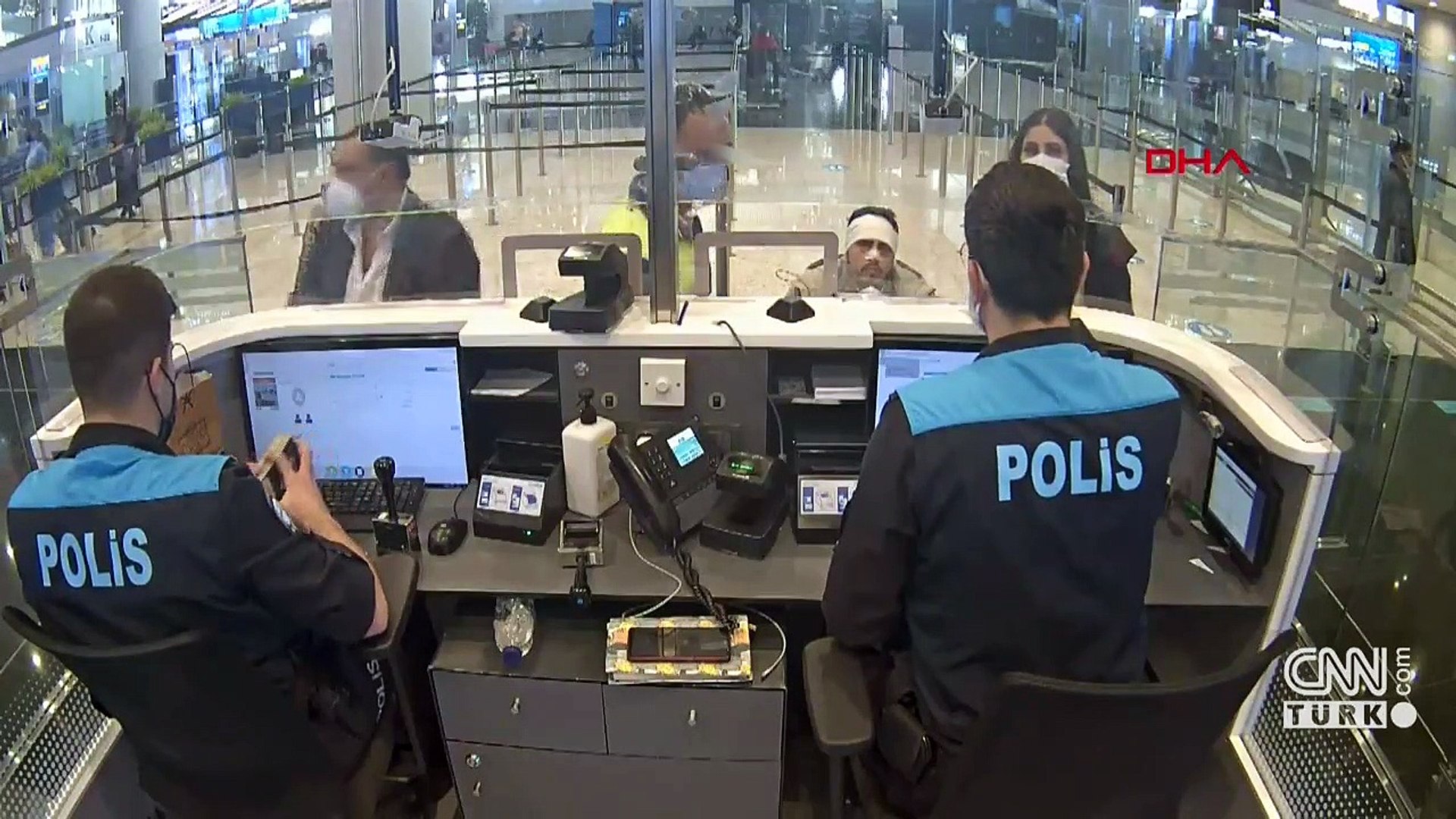
    Turkey is preventing Kurdish visitors from returning to their homes in Germany through bans on leaving the country, a Kurdish community organization said Wednesday, calling for German diplomatic intervention, Deutsche Welle reported.

    The Kurdish Community in Germany (KGD) said reports had increased in recent weeks of people unable to return after vacations or family visits to Turkey, including some of its members. Those affected also included Kurdish residents of other European countries.

    In an October 28 statement the organization said numerous people faced exit bans and investigations into alleged terrorist propaganda. It did not provide a total number of cases.

    The group also cited reports that some people had been asked to pay up to 10,000 euros to have the bans lifted. It called for an urgent, independent investigation into those allegations but did not identify who allegedly demanded the money.

    The KGD urged the German government to summon Turkey’s ambassador for an explanation and provide diplomatic assistance to those affected, particularly German citizens and permanent residents, within the scope of available consular support.

    The organization said the cases reflected a longstanding pattern of questioning, detention, criminal investigations and travel restrictions targeting people visiting Turkey from Germany, particularly Kurds.

    Such proceedings frequently involve accusations of insulting the president, spreading terrorist propaganda or having links to banned organizations, the group said. It said the accusations often concern criticism of the Turkish government, social media posts or participation in political events in Germany.

    KGD Deputy Chairman Mehmet Tanrıverdi said people should not face prosecution during visits to Turkey for exercising freedom of expression and assembly in Germany.

    The group said the pressure created a climate of intimidation beyond Turkey’s borders and called on Berlin to make protecting those affected a priority in relations with Ankara.

    Germany’s Foreign Office warns in its travel advice for Turkey that German citizens can face arbitrary detention and exit bans. It says participation in demonstrations in Germany, signing petitions supporting Kurdish independence or membership in legally registered associations advocating for Kurdish rights can lead to prosecution or travel restrictions in Turkey, even years later.This article is republished from the  https://stockholmcf.org/


  • Australia joins statement issued by several nations condemning Trump attack on ICC

    Australia joins statement issued by several nations condemning Trump attack on ICC

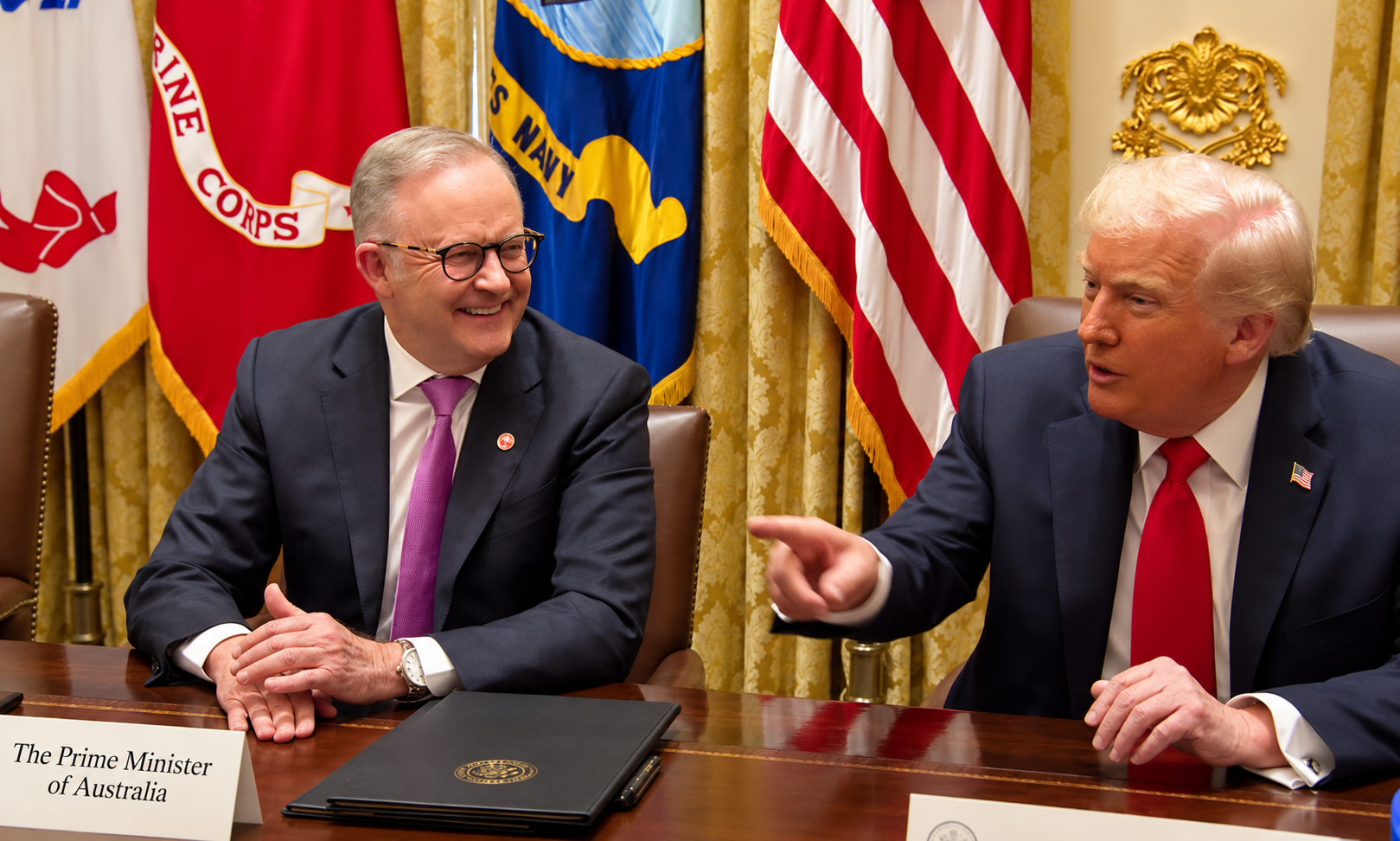
    The federal government has belatedly joined international criticism of the Trump administration’s latest assault on the International Criminal Court (ICC), prompting questions about Australia’s “sluggish” response to sweeping US sanctions designed to cripple it.

    Japan, Canada, Denmark, Germany, France, Italy, the Netherlands and the United Kingdom issued a statement late on Friday reaffirming their “continued and unwavering support for the independence, impartiality, and integrity of the ICC”.

    It came just hours after US Secretary of State Marco Rubio unveiled new sanctions freezing the court’s US assets and cutting it off from American companies.

    “As committed supporters of the ICC we regret and strongly disagree with the announcement of sanctions to be imposed upon the Court by the United States,” they said.

    “If put into effect, these sanctions will have a significant impact on the Court’s work, its dedicated staff and their families. They work every day to bring those accused of the most serious international crimes to justice and to support their victims.”

    Australia was not listed on the statement when it was first issued on Saturday morning, local time, and the government’s initial silence drew fierce criticism from legal experts, who accused it of cowardice.

    But late on Monday Australia’s name was added to the list of countries on the joint statement, which was then uploaded to the Department of Foreign Affairs and Trade (DFAT) website.

    A federal government spokesperson told the ABC that Australia was invited to join the statement only after it was first published, and that Australia signalled to the Netherlands on Sunday that it would be willing to put its name on it.

    An official from a European country backed that account and defended Australia’s approach, saying it took time to coordinate a position across continents over the weekend.

    A second official from another Western country also said they did not believe that Australia had “hesitated” to join the statement and the process simply “took time”.

    But they said the Australian government was still taking a much more “careful” and “low profile” approach to defending the ICC when compared with other US allies.

    They drew a contrast between Japanese Prime Minister Sanae Takaichi  who on Friday night issued a statement in English and Japanese sharply criticising the sanctions  and Prime Minister Anthony Albanese and Foreign Minister Penny Wong, who have not made any personal statements on the issue.

    Canberra’s cautious approach

    Last month the foreign minister declined to directly criticise the Trump administration over the sanctions during an interview with SBS, saying that she “spoke for Australia” not the US.

    Woman standing and looking

    Professor Catherine Renshaw said it was disappointing Australia did not sign onto the original statement. (ABC News: Lydia Feng)

    Officials told the ABC earlier this year that while there was deep unease in Canberra about the sanctions, Australia was wary of a fight with the Trump administration over it, particularly as the campaign against the court has been championed by US Secretary of State Marco Rubio.

    The Dean of Law at the University of Western Sydney, Professor Catherine Renshaw, said the government’s initial response was “sluggish” but that she was still pleased to see Australia eventually join the statement.

    “It was disappointing to see Australia not sign onto the original statement  it was particularly disappointing given Australia’s long history of building international law and support of institutions like the ICC,” she said.

    “But it’s a welcome development that Australia has now joined friends and allies in supporting international law.”

    “The foundational principle here is the defence of the rule of law and that is most important when the actions of powerful states threaten those fundamental principles.”

    The government has also been working with Australians employed by the ICC to help them “work through” the implications of the sanctions, although the Trump administration has offered a 180-day grace period before they are fully implemented.

    One official from a third country said it was “surreal” to watch Western diplomats working out how they could best shield their nationals from US sanctions.

    Professor Renshaw said the US sanctions would create a “very difficult problem” because US companies and financial institutions played a “central” role providing the court with legal, travel and banking services.

    “Australians who work for the court will need to know that the Australian government will support them carrying out their work when it’s made far more difficult, complex and perilous by the actions of the US,” she said.ABC Australia