Tag: Fethullah Gülen

  • Turkey detains 21 over alleged Gülen links, including 7 accused of aiding prisoners’ families

    Turkey detains 21 over alleged Gülen links, including 7 accused of aiding prisoners’ families

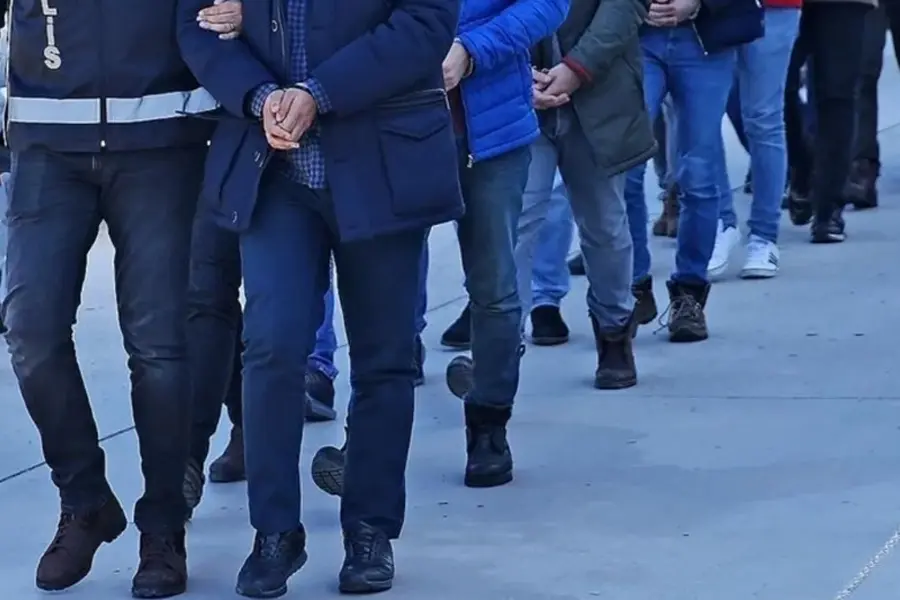
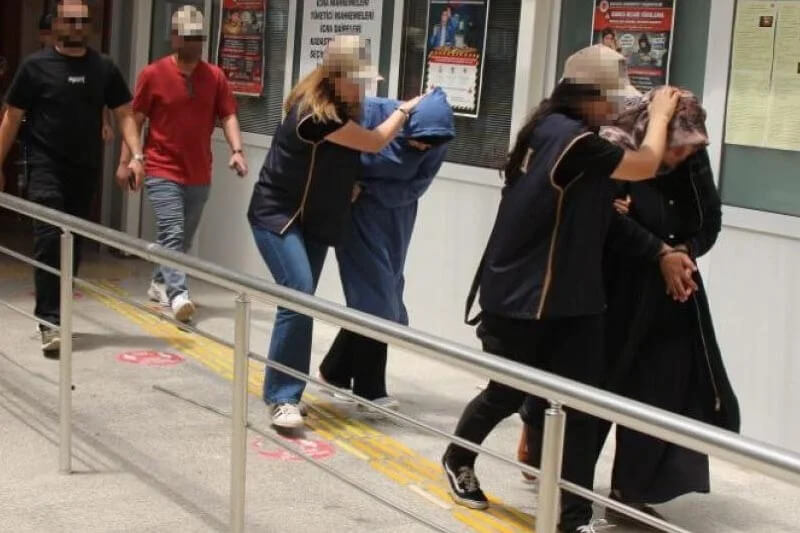
    Turkish police detained 21 people on Tuesday in two investigations into alleged links to the faith-based Gülen movement, including seven accused of providing financial assistance to prisoners’ families, the TRT haber state broadcaster reported.

    The Ankara Chief Public Prosecutor’s Office issued detention warrants for 25 people in the two investigations, with police continuing to search for four who remained at large.

    Turkish President Recep Tayyip Erdoğan has targeted the faith-based Gülen movement, inspired by Muslim cleric Fethullah Gülen, who died in 2024, since corruption investigations in December 2013 implicated him as well as some members of his family and inner circle. He dismissed the probes as a Gülenist conspiracy and designated the movement as a terrorist organization in May 2016, intensifying a sweeping crackdown after a coup attempt in July of the same year that he accused Gülen of orchestrating. The movement denies involvement in the attempted coup or any terrorist activity.

    The first investigation targeted 11 people accused of providing financial support to alleged members of the movement and engaging in unspecified ongoing activities associated with it. Seven were detained, while police were searching for the remaining four. The Bold Medya news website reported that the allegations also involved providing financial assistance to families of people in prison.

    Turkish authorities have repeatedly targeted people accused of providing financial assistance to families affected by the crackdown on the movement.

    In April police detained 42 people, most of them women, over assistance provided during the Muslim holy month of Ramadan to families of people jailed or dismissed from their jobs over alleged Gülen links. A court subsequently ordered 24 of them jailed pending trial, while the remaining 18 were released under judicial supervision.

    United Nations experts warned in October 2025 that people had reportedly been arrested over family relationships or lawful activities by relatives, including financial transactions, describing the practice as guilt by association that was inconsistent with the principle of individual responsibility.

    The latest detentions follow another round of nationwide operations targeting alleged Gülen movement members. Authorities announced on Monday that 72 people had been detained across 32 provinces, with courts ordering 41 of them jailed pending trial.

    In the second investigation, police detained all 14 people named in detention warrants during simultaneous raids across 10 provinces, including the Turkish capital of Ankara. Prosecutors accused them of participating in what authorities described as the movement’s clandestine network within public institutions. The investigation was conducted by the National Intelligence Organization (MİT) and the counterterrorism department of the Ankara Police Department.

    The prosecutor’s office did not specify what activities the 14 detainees allegedly carried out in public institutions or explain what ongoing activities were attributed to those targeted in the financial investigation. Details of the detainees’ questioning and custody status beyond their initial detention were not immediately available.

    According to the latest figures from the justice ministry, more than 127,000 people have been convicted of alleged links to the movement, and authorities had initiated legal proceedings against 720,338 people since 2016, with 10,485 still in prison. Investigations or trials involving another 83,404 are still ongoing.

    This article is republished from the Stockholm Center for Freedom.
  • Turkey detains 72, arrests 41 over alleged Gülen links

    Turkey detains 72, arrests 41 over alleged Gülen links

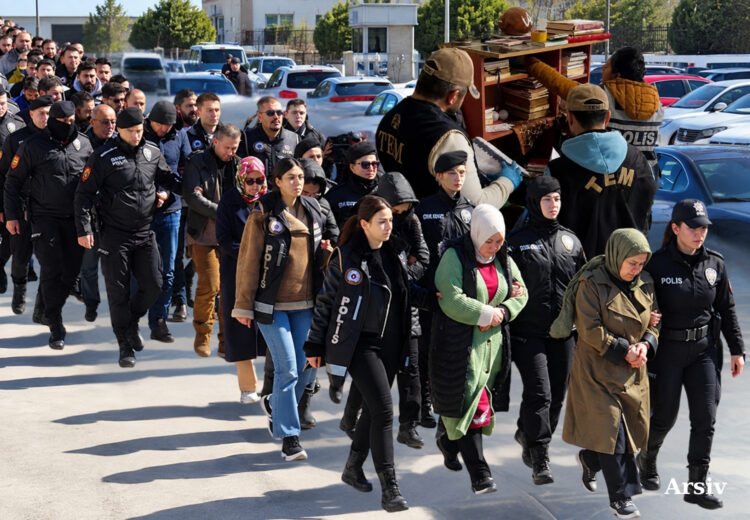
    Turkish authorities detained 72 people over alleged links to the faith-based Gülen movement in recent operations, with courts ordering 41 of them jailed pending trial, the İlke TV news website reported Monday, citing the Interior Ministry.

    Gendarmes carried out the operations across 32 provinces, including İstanbul, Ankara, İzmir and Diyarbakır provinces, under the coordination of prosecutors and the force’s counterterrorism department. Legal procedures were continuing for the remaining 31 people, the ministry said, without specifying their custody status.

    Turkish President Recep Tayyip Erdoğan has targeted the faith-based Gülen movement, inspired by Muslim cleric Fethullah Gülen, who died in 2024, since corruption investigations in December 2013 implicated him as well as some members of his family and inner circle. He dismissed the probes as a Gülenist conspiracy and designated the movement as a terrorist organization in May 2016, intensifying a sweeping crackdown after a coup attempt in July of the same year that he accused Gülen of orchestrating. The movement denies involvement in the attempted coup or any terrorist activity.

    The ministry’s allegations included continuing activities on behalf of the movement, maintaining contact with people it described as movement coordinators, providing financial support to charities it alleged were affiliated with the movement and posting content on social media that it characterized as terrorist propaganda.

    The official statement did not specify which allegations applied to which detainees, identify the charities or describe the social media posts cited as evidence.

    The ministry also said gendarmes seized documents and digital materials during the operations, without detailing their contents.

    According to the latest figures from the justice ministry, more than 127,000 people have been convicted for alleged links to the movement and authorities had initiated legal proceedings against 720,338 people since 2016, with 10,485 still in prison. Investigations or trials involving another 83,404 are still ongoing.

    In addition to the thousands who were jailed, scores of other Gülen movement followers had to flee Turkey to avoid the government crackdown.

    This article is republished from the Stockholm Center for Freedom.
  • Turkey detains 10 over alleged Gülen links in 3 provinces

    Turkey detains 10 over alleged Gülen links in 3 provinces

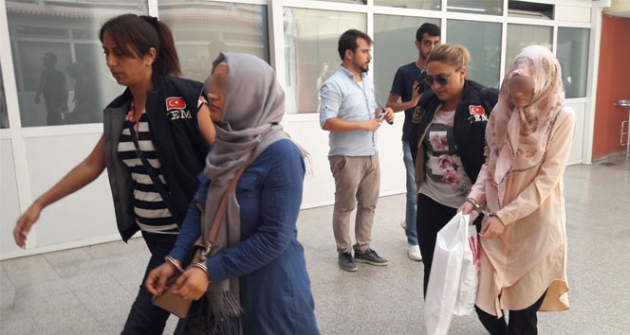
    Turkish police detained 10 people on Friday over alleged links to the faith-based Gülen movement in raids across three provinces, the TRT Haber state broadcaster reported.

    The simultaneous raids took place in İstanbul and the western provinces of Aydın and İzmir. Police alleged that some of those detained had previously held coordinating roles in the movement and had resumed those activities.

    Turkish President Recep Tayyip Erdoğan has targeted the faith-based Gülen movement, inspired by Muslim cleric Fethullah Gülen, who died in 2024, since corruption investigations in December 2013 implicated him as well as some members of his family and inner circle. He dismissed the probes as a Gülenist conspiracy and designated the movement as a terrorist organization in May 2016, intensifying a sweeping crackdown after a coup attempt in July of the same year that he accused Gülen of orchestrating. The movement denies involvement in the attempted coup or any terrorist activity.

    The authorities also cited alleged past use of ByLock, an encrypted messaging app that was available on Apple’s App Store and Google Play, and increases in deposits at Bank Asya before its closure. They in addition named the alleged collection of donations on behalf of the movement and the organizing of religious discussion meetings.

    Since the coup attempt in 2016, the Turkish government has accepted such activities as having an account at the now-shuttered Bank Asya, one of Turkey’s largest commercial banks at the time; using the ByLock messaging application; and subscribing to the now-shut-down Zaman daily or other publications affiliated with members of the movement as benchmarks for identifying and arresting alleged followers of the Gülen movement on charges of membership in a terrorist organization.

    Turkish authorities have considered ByLock to be a secret tool of communication among supporters of the Gülen movement since the coup attempt on July 15, 2016, despite a lack of evidence that ByLock messages were related to the abortive putsch.

    Although the European Court of Human Rights (ECtHR) has in many cases made clear that use of the ByLock messaging app does not constitute a criminal offense, detentions and arrests of individuals continue in Turkey for their alleged use of the ByLock application.

    Police said they seized Turkish lira, foreign currency and gold worth 12.85 million lira (about $257,000), along with digital materials and documents they described as related to the movement.

    The detainees were taken to police headquarters. The reports did not identify them or include statements from their lawyers.

    This article is republished from the Stockholm Center for Freedom.
  • Turkey’s main opposition plans European court challenge to chairman’s ouster from CHP leadership

    Turkey’s main opposition plans European court challenge to chairman’s ouster from CHP leadership

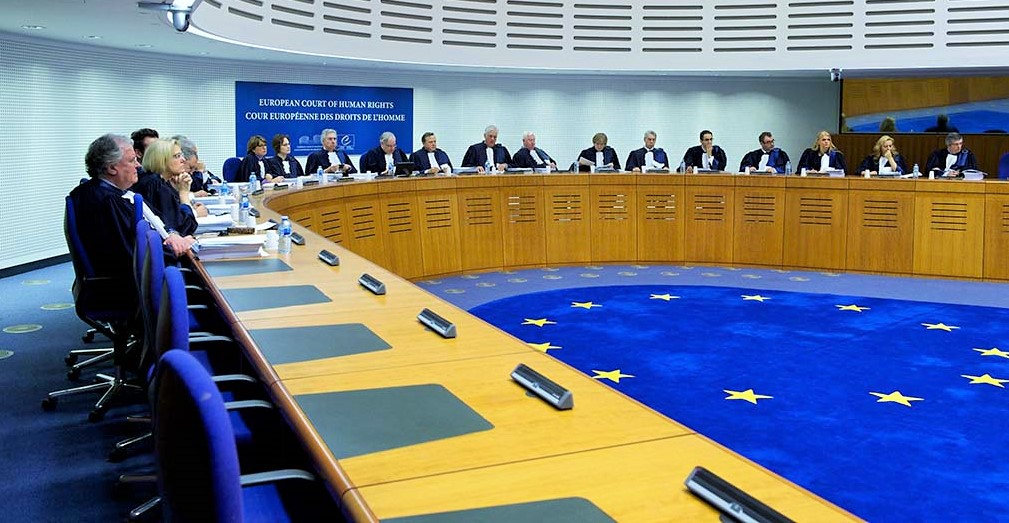
    Turkey’s main opposition New Party is preparing an application to the European Court of Human Rights (ECtHR) challenging a ruling that removed its leader, Özgür Özel, from the Republican People’s Party (CHP) leadership, the ANKA news agency reported Tuesday.

    The petition is still being drafted. The party plans to apply without waiting for Turkey’s Supreme Court of Appeals to rule on its appeal, arguing that the courts are being used to reshape the country’s main opposition, party officials told ANKA.

    The 36th Civil Chamber of the Ankara Regional Court of Justice annulled the CHP’s November 2023 congress on May 21 and ordered Özel and his leadership team removed as an interim measure, reinstating his predecessor, Kemal Kılıçdaroğlu.

    The ruling applied the legal concept of “absolute nullity,” meaning the congress at which Özel was elected was treated as legally invalid from the outset.

    The case concerned allegations of vote buying and manipulation at the congress, where Özel defeated Kılıçdaroğlu. Özel and his allies have denied wrongdoing and described the proceedings as political interference.

    The domestic appeal reached the Supreme Court of Appeals on July 17, and its Third Civil Chamber began a preliminary examination on July 26, according to ANKA.

    The European Convention on Human Rights generally requires applicants to exhaust domestic legal remedies before the ECtHR can examine a complaint. ANKA did not explain the legal basis for seeking review before the domestic appeal concludes.

    Özel and 90 other lawmakers left the CHP to establish the New Party on July 24 after efforts to regain control of the CHP failed. The new party began with 91 seats in Turkey’s 600-member parliament, becoming its largest opposition group, while the CHP’s representation fell to 44.

    Before his removal, Özel had led the CHP to first place nationwide in the March 2024 local elections, defeating President Recep Tayyip Erdoğan’s ruling Justice and Development Party (AKP). The party retained İstanbul and Ankara and won municipalities in provinces previously dominated by the AKP.

    Özel and his allies accuse Erdoğan’s government of using the judiciary to weaken the opposition.

  • Ailing Turkish prisoner jailed over alleged Gülen links dies after repeated calls for medical release go unheeded

    Ailing Turkish prisoner jailed over alleged Gülen links dies after repeated calls for medical release go unheeded

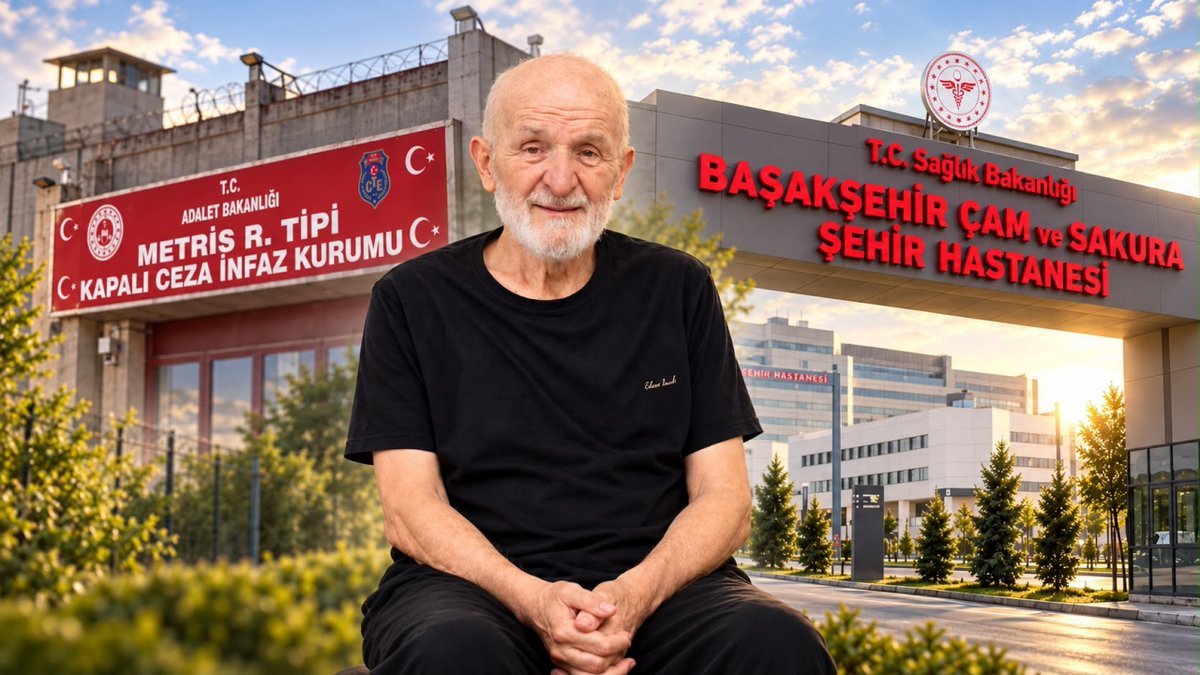
    A 73-year-old Turkish prisoner convicted over alleged links to the faith-based Gülen movement died Monday after authorities kept him incarcerated despite his deteriorating health, repeated appeals for his release and warnings that he could die without urgent medical intervention, the TR724 news website reported.

    Abdullah Tırpan died at İstanbul’s Başakşehir Çam and Sakura City Hospital, where he had been transferred from Metris Prison last week. His left leg was amputated below the knee on October 22 due to advanced gangrene, but doctors subsequently considered a second operation to remove more of the limb because the infection had spread farther up his leg.

    His condition worsened following the surgery, and he was transferred to intensive care and placed on a ventilator on Sunday.

    His daughter, Esra Tırpan Yakut, said Sunday that the family had learned of his transfer to intensive care through Turkey’s electronic health records system because they had not been adequately informed about his condition.

    “My father’s heart stopped, and they are keeping it beating with medication,” she said, describing what the family had been told. “They have already intubated him. Please pray for him. There is nothing more we can do.”

    Tırpan’s death came after months of appeals from his family, lawmakers and human rights advocates for the suspension of his prison sentence on medical grounds.

    Despite suffering from diabetes, hypertension, nerve damage and serious circulatory problems, Tırpan had repeatedly been found fit to remain in prison by state medical authorities.

    Turkey’s Council of Forensic Medicine, a state body responsible for assessing prisoners’ fitness to remain incarcerated, concluded on December 17, 2025, that he could continue serving his sentence. Medical boards at Tekirdağ City Hospital reached similar conclusions in May and June 2026.

    The June report documented several chronic illnesses but concluded that Tırpan could manage his daily activities without assistance and did not require the suspension of his sentence. Another examination on October 6 reportedly found no medical obstacle to his continued imprisonment.

    Independent lawmaker Mustafa Yeneroğlu, who visited Tırpan at Metris Prison earlier this month, warned on October 9 that the prisoner could die without urgent medical intervention.

    Yeneroğlu said Tırpan had advanced gangrene, severe discoloration and large open wounds on his left leg. He was unable to stand or meet his basic needs on his own, according to the lawmaker, who questioned medical assessments finding him capable of remaining in prison.

    Tırpan was serving a seven-and-a-half-year sentence for membership in an armed terrorist organization over his alleged involvement in the Gülen movement, inspired by the late Muslim cleric Fethullah Gülen.

    Turkish President Recep Tayyip Erdoğan has targeted the movement since corruption investigations in December 2013 implicated him as well as some members of his family and inner circle. He dismissed the investigations as a Gülenist conspiracy and designated the movement as a terrorist organization in May 2016, intensifying a sweeping crackdown after a coup attempt in July of that year that he accused Gülen of orchestrating. The movement denies involvement in the coup attempt or any terrorist activity.

    Tırpan’s daughter appealed on X on October 20 for the suspension of her father’s sentence after doctors obtained the family’s consent to amputate his leg.

    “We are asking for the suspension of his sentence in the name of justice and humanity,” she wrote. “Please help make our voices heard. Our entire family is devastated.”

    On Monday morning, before Tırpan’s death was announced, Ömer Faruk Gergerlioğlu, a lawmaker from the pro-Kurdish Peoples’ Equality and Democracy Party (DEM Party), shared his latest medical report on X and criticized authorities for keeping him incarcerated despite his life-threatening condition.

    “Who is responsible for this?” Gergerlioğlu asked, saying authorities had failed to explain why Tırpan’s sentence had not been suspended.

    The lawmaker said he was taking legal steps against those he held responsible for the handling of the case.

    “Everyone will be held accountable before the courts,” he wrote.

    Under Article 16 of Turkey’s Law on the Execution of Sentences, a prison sentence may be suspended in certain cases involving serious illness or disability when a prisoner cannot sustain life under prison conditions and is not considered a serious danger to society.

    The Justice Ministry says authorities can reopen the medical review process if a prisoner’s health deteriorates, even after an earlier request has been rejected.

    Tırpan, a father of five who worked as a butcher for 55 years in the northwestern province of Tekirdağ, was convicted on August 8, 2019. Turkey’s Supreme Court of Appeals upheld his conviction on March 7, 2022.

    According to earlier SCF reporting, the evidence cited against him included having shares in a company operating a private school allegedly affiliated with the Gülen movement, attending religious discussion meetings, making charitable donations to the movement, subscribing to the now-closed Zaman newspaper and maintaining an account at Bank Asya, a bank formerly affiliated with the movement.

    The court also cited his decision to send his children and grandchildren to movement-associated schools and his possession of religious publications.

    Tırpan denied the criminal allegations.

    Since the coup attempt in 2016, the Turkish government has accepted such activities as having an account at the now-shuttered Bank Asya, one of Turkey’s largest commercial banks at the time; using the ByLock messaging application, an encrypted messaging app that was available on Apple’s App Store and Google Play; and subscribing to the now-shut-down Zaman daily or other publications affiliated with members of the movement as benchmarks for identifying and arresting alleged followers of the Gülen movement on charges of membership in a terrorist organization.

    He was first arrested in August 2016 and spent approximately 19 months in pretrial detention before being released pending the outcome of his legal proceedings. He was imprisoned again in February 2025 following the finalization of his sentence.

    Tırpan’s death comes amid longstanding criticism of Turkey’s treatment of seriously ill prisoners. Human rights organizations have repeatedly warned that delays in medical treatment and decisions by the Council of Forensic Medicine finding seriously ill inmates fit to remain incarcerated can put their lives at risk.

    This article is republished from the Stockholm Center for Freedom.
  • Turkey jails journalist Mehmet Yılmaz over alleged Gülen links

    Turkey jails journalist Mehmet Yılmaz over alleged Gülen links

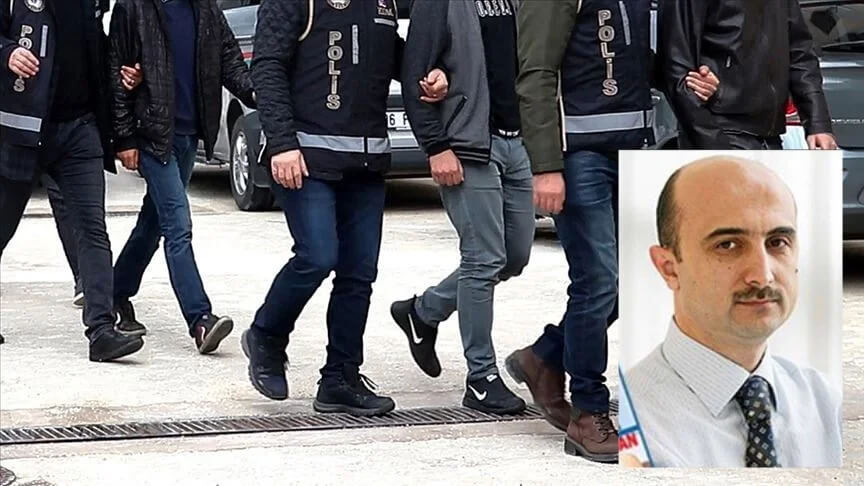
    A Turkish court has jailed journalist Mehmet Yılmaz, a former editor at newspapers shut down by the government following a coup attempt in 2016 over alleged links to the faith-based Gülen movement, the state-run TRT Haber news website reported.

    Police detained Yılmaz, whom the authorities had been seeking for a decade, along with Abdullah Ilık, convicted on terrorism charges over alleged Gülen links, and Serdar Uluocak, a dismissed police officer, during raids in four İstanbul districts. The two other men were also jailed.

    Yılmaz previously worked as an editor at the Bugün daily and held various positions at the Zaman newspaper before becoming editor-in-chief of the Özgür Düşünce newspaper.

    Following a July 2016 coup attempt, Turkish authorities shut down more than 160 media outlets by emergency decree and jailed scores of journalists, many over alleged links to the Gülen movement.

    Police accused Yılmaz of using ByLock, an encrypted messaging app, once widely available on Apple’s App Store and Google Play, that Turkish authorities claim was used as a secret communication tool for Gülen supporters.

    Turkish President Recep Tayyip Erdoğan has targeted the faith-based Gülen movement, inspired by Muslim cleric Fethullah Gülen, who died in 2024, since corruption investigations in December 2013 implicated Erdoğan as well as some members of his family and inner circle. He dismissed the probes as a Gülenist conspiracy and designated the movement as a terrorist organization in May 2016, intensifying a sweeping crackdown after the coup attempt in July of the same year that he accused Gülen of orchestrating. The movement denies involvement in the coup attempt or any terrorist activity.

    Ilık had been sought by authorities for three years and had previously been sentenced to more than six years in prison for membership in an armed terrorist organization over alleged links to the Gülen movement.

    The report did not specify the charges against Uluocak or whether he had been previously convicted of any crime.

    According to the latest figures from the justice ministry, more than 127,000 people have been convicted of alleged links to the movement since 2016, with 10,485 still in prison and legal proceedings ongoing against 83,404 individuals.

    This article is republished from the Stockholm Center for Freedom.
  • Ailing Turkish prisoner has leg amputated after repeated ‘fit for prison’ assessments

    Ailing Turkish prisoner has leg amputated after repeated ‘fit for prison’ assessments

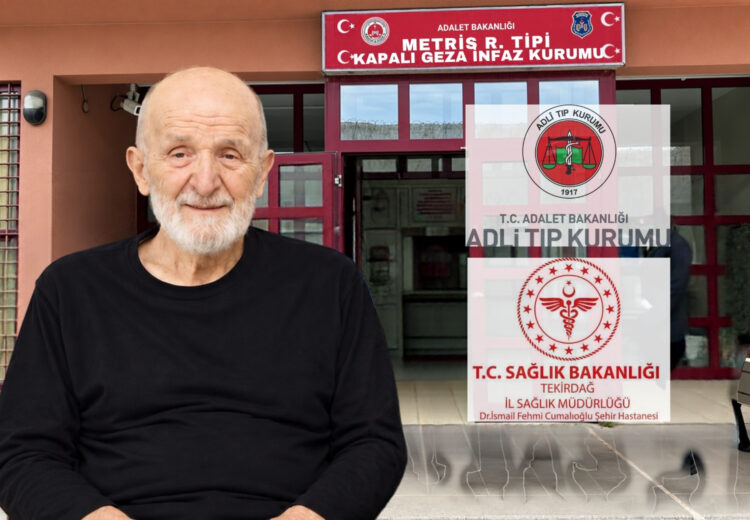
    A Turkish prisoner convicted over alleged links to the faith-based Gülen movement has had his left leg amputated below the knee after repeated medical assessments found him fit to remain incarcerated despite his deteriorating health, his daughter said on Friday.

    Abdullah Tırpan underwent surgery at İstanbul’s Başakşehir Çam and Sakura City Hospital, where he had been transferred from Metris Prison earlier this week, the TR724 news website reported.

    His daughter, Esra Tırpan Yakut, said doctors had amputated his left leg below the knee but were planning a second operation to remove more of the limb above the knee because the infection had spread farther up his leg.

    “I don’t know what to say or how to express my feelings,” she said. “I’m very sad.”

    The amputation follows a series of medical assessments that concluded Tırpan could remain in prison despite multiple serious health problems, including diabetes, nerve damage and circulatory disorders.

    Turkey’s Council of Forensic Medicine, a state body that assesses prisoners’ fitness to remain incarcerated, concluded on December 17, 2025, that Tırpan could remain in prison. Medical boards at Tekirdağ City Hospital reached similar conclusions on May 7 and June 30, 2026.

    The June report documented several chronic illnesses but concluded that Tırpan could manage his daily activities without assistance and did not require the suspension of his sentence on medical grounds.

    Another examination on October 6 reportedly found no medical obstacle to his continued imprisonment, less than three weeks before the amputation.

    Independent lawmaker Mustafa Yeneroğlu, who visited Tırpan at Metris Prison earlier this month, warned on October 9 that the prisoner could die without urgent medical intervention.

    Yeneroğlu said Tırpan had advanced gangrene, severe discoloration and large open wounds on his left leg. He was unable to stand or meet his basic needs on his own, according to the lawmaker, who questioned medical assessments concluding otherwise.

    Tırpan’s daughter announced on X on October 20 that doctors had obtained the family’s consent to amputate her father’s leg and appealed to authorities to suspend his sentence so he could receive treatment outside prison.

    The family continues to seek the suspension of his sentence. It was not immediately clear whether authorities had initiated a new medical assessment following the amputation.

    Under Article 16 of Turkey’s Law on the Execution of Sentences, the enforcement of a prison sentence may be suspended in certain cases involving serious illness or disability. The Justice Ministry says authorities can reopen the review process when a prisoner’s health deteriorates, even after an earlier request has been rejected.

    Tırpan, a father of five who worked as a butcher for 55 years in the northwestern province of Tekirdağ, was sentenced to seven-and-a-half years in prison on August 8, 2019, for membership in an armed terrorist organization over his alleged involvement in the Gülen movement. Turkey’s Supreme Court of Appeals upheld his conviction on March 7, 2022.

    Turkish President Recep Tayyip Erdoğan has targeted the faith-based Gülen movement, inspired by Muslim cleric Fethullah Gülen, who died in 2024, since corruption investigations in December 2013 implicated him as well as some members of his family and inner circle. He dismissed the probes as a Gülenist conspiracy and designated the movement as a terrorist organization in May 2016, intensifying a sweeping crackdown after a coup attempt in July of the same year that he accused Gülen of orchestrating. The movement denies involvement in the coup attempt or any terrorist activity.

    The evidence cited in his conviction included having shares in a company operating a private school allegedly affiliated with the movement, participating in religious discussion meetings, making charitable donations to the movement, subscribing to the now-closed Zaman newspaper and maintaining an account at Bank Asya, a bank formerly affiliated with the movement.

    The court also cited his decision to send his children and grandchildren to schools associated with the movement and his possession of certain religious publications.

    Since the coup attempt in 2016, the Turkish government has accepted such activities as having an account at now-shuttered Bank Asya, one of Turkey’s largest commercial banks at the time; using the ByLock messaging application, an encrypted messaging app that was available on Apple’s App Store and Google Play; and subscribing to the now-shut-down Zaman daily or other publications affiliated with members of the movement as benchmarks for identifying and arresting alleged followers of the Gülen movement on charges of membership in a terrorist organization.

    Tırpan denied the criminal allegations. He was first arrested in August 2016 and spent approximately 19 months in pretrial detention before being released pending the outcome of his legal proceedings. He was imprisoned again in February 2025 following the finalization of his sentence.

  • Turkish teacher facing possible cancer recurrence jailed again over alleged Gülen links

    Turkish teacher facing possible cancer recurrence jailed again over alleged Gülen links

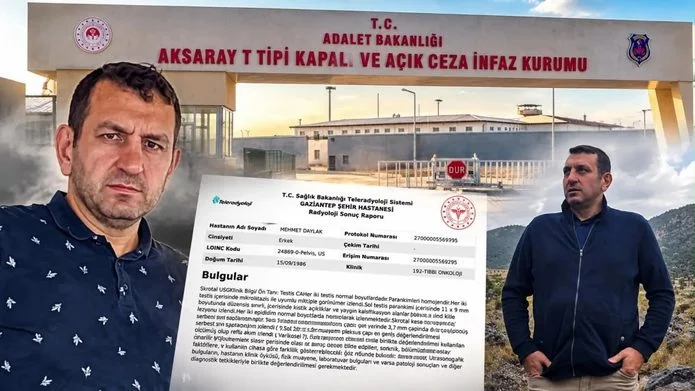
    A former Turkish teacher who underwent extensive treatment for advanced cancer has been jailed again over alleged links to the faith-based Gülen movement 13 days after his release, preventing him from undergoing a medical examination for a possible recurrence of the disease, the TR724 news website reported.

    Mehmet Daylak, who has been assessed as 86 percent disabled under Turkey’s medical disability classification, indicating a severe loss of bodily function, was taken into custody on October 7, a day before he was scheduled to undergo a PET scan, according to his wife.

    The Gaziantep 2nd High Criminal Court sentenced Daylak to more than seven years in prison on September 24 for membership in an armed terrorist organization over alleged links to the Gülen movement but ordered his release pending appeal. His conviction is not yet final.

    Daylak was arrested on May 5, 2025, as part of an investigation into the alleged restructuring of the Gülen movement.

    His wife said recent MRI and CT scans had shown abnormalities suggesting the cancer might have returned. After his release in September, Daylak visited Hacettepe University Hospital in Ankara, where a PET scan was scheduled for October 8.

    Police detained Daylak in the central province of Aksaray following a prosecutor’s objection to a court order for his release. His wife said the family had submitted medical reports and requests for examinations to the authorities but had been unable to secure his release. Daylak is currently being held at Aksaray Prison.

    Turkish President Recep Tayyip Erdoğan has targeted the faith-based Gülen movement, inspired by Muslim cleric Fethullah Gülen, who died in 2024, since corruption investigations in December 2013 implicated Erdoğan as well as some members of his family and inner circle. He dismissed the probes as a Gülenist conspiracy and designated the movement as a terrorist organization in May 2016, intensifying a sweeping crackdown after a coup attempt in July of the same year that he accused Gülen of orchestrating. The movement denies involvement in the coup attempt or any terrorist activity.

    Daylak was diagnosed with testicular cancer in 2014, which later progressed to stage four and spread to several parts of his body. According to his wife, he underwent multiple surgeries, intensive chemotherapy and a stem cell transplant. His treatment included the removal of his left kidney, gallbladder and part of his liver.

    Daylak also suffers from diabetes and gout, which sometimes leave him unable to walk for extended periods, his wife said. She expressed concern that his health could deteriorate further in prison and called for uninterrupted access to medical examinations and treatment.

    Pro-Kurdish Peoples’ Equality and Democracy Party (DEM Party) lawmaker and human rights defender Ömer Faruk Gergerlioğlu criticized the decision to return Daylak to prison despite his serious health problems, accusing authorities of disregarding the health of seriously ill prisoners and adding to overcrowding in prisons.

    Following his cancer treatment, Daylak was appointed as a mathematics teacher in 2015 through a government recruitment program for people with disabilities and began working in Osmaniye.

    Daylak was first jailed in 2017 over alleged links to the Gülen movement and released seven months later on health grounds. He was subsequently sentenced to more than eight years in prison on terrorism charges based on activities including depositing money in Bank Asya, a now-closed bank linked to the movement. The Supreme Court of Appeals overturned the conviction, and the case remains pending.

    According to the latest figures from the justice ministry, more than 127,000 people have been convicted of alleged links to the movement since 2016, with 10,485 still in prison and legal proceedings ongoing against 83,404 individuals.

  • Erdoğan says Turkey shut or took over Gülen-linked schools in over 50 countries, vows to press on

    Erdoğan says Turkey shut or took over Gülen-linked schools in over 50 countries, vows to press on

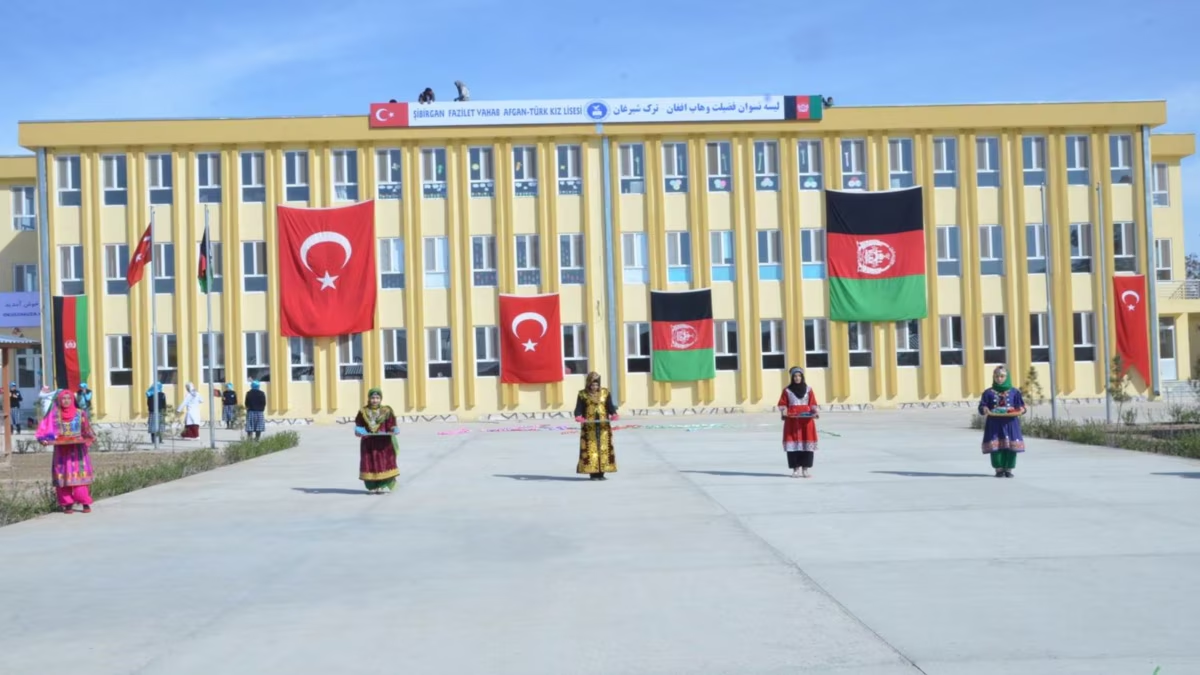
    Turkey has secured the closure or takeover of schools linked to the faith-based Gülen movement in more than 50 countries, President Recep Tayyip Erdoğan said on Thursday, vowing to continue his government’s campaign against the group abroad.

    Speaking at an event in Ankara marking the 10th anniversary of the state-run Turkish Maarif Foundation (TMV), Erdoğan praised the foundation’s takeover of schools previously associated with the movement and credited the Foreign Ministry, the foundation and other government institutions with carrying out the campaign abroad. He said the campaign had intensified after a July 2016 coup attempt.

    Erdoğan also described the Gülen movement as a “network of treachery” and its schools “dens of sedition,” saying its supporters would become “much more pitiable, much more wretched.” The remarks reflect a longstanding pattern of hate speech, with Erdoğan and other government officials portraying the movement’s followers as internal enemies and using dehumanizing language to legitimize their persecution, while pro-government media have amplified the rhetoric.

    Erdoğan has targeted the faith-based Gülen movement, inspired by Muslim cleric Fethullah Gülen, who died in 2024, since corruption investigations in December 2013 implicated Erdoğan as well as some members of his family and inner circle. He dismissed the probes as a Gülenist conspiracy and designated the movement as a terrorist organization in May 2016, intensifying a sweeping crackdown after the coup attempt in July of the same year that he accused Gülen of orchestrating. The movement denies involvement in the attempted coup or any terrorist activity.

    Erdoğan did not identify the countries involved, specify how many schools were affected or say where closures had been complete or partial.

    A July 2026 report by the human rights group Solidarity with Others documented the closure, confiscation or transfer of at least 162 Gülen-linked educational institutions in 29 countries, based on data compiled through March 2023. Of those, 131 were taken over directly by the Turkish Maarif Foundation. The report estimated that approximately 7,800 employees were affected.

    Since the July 2016 coup attempt, Ankara has pressed foreign governments to close or transfer Gülen-linked schools to the TMV, part of a broader campaign against perceived opponents abroad that human rights organizations have described as transnational repression.

    The foundation is the only organization other than Turkey’s Education Ministry authorized to open schools overseas on behalf of the Turkish state.

    The campaign has also extended beyond school closures and takeovers to the educators themselves. SCF has documented cases of educators associated with the Gülen movement being abducted or forcibly returned to Turkey from countries including Kosovo, Pakistan, Malaysia and Myanmar. Many Turkish teachers at schools targeted for takeover fled their host countries, fearing arrest or extradition, and sought refuge in Europe, the United States or Canada.

    The Parliamentary Assembly of the Council of Europe (PACE) cited Freedom House data listing Turkey among the world’s 10 leading perpetrators of physical transnational repression in a June resolution. The rights group documented 160 such incidents attributed to Turkey from 2014 through 2025.

    This article is republished from the Stockholm Center for Freedom.
  • Turkey detains 32 people over alleged links to Gülen movement

    Turkey detains 32 people over alleged links to Gülen movement

    Turkish authorities have detained 32 people in operations across several provinces over alleged links to the faith-based Gülen movement, Justice Minister Akın Gürlek said Wednesday.

    The operations were part of three investigations launched by prosecutors in Eskişehir and İzmir provinces that targeted 34 people. It was not immediately clear whether any of the detainees had been released or brought before a court.

    In Eskişehir, authorities detained nine of the 10 people included in an investigation into payments made through a US-based company allegedly linked to the Gülen movement. Prosecutors launched the investigation on suspicion that the payments, which were related to food products exported from Turkey, were connected to the movement.

    Turkish President Recep Tayyip Erdoğan has targeted the faith-based Gülen movement, inspired by Muslim cleric Fethullah Gülen, who died in 2024, since corruption investigations in December 2013 implicated Erdoğan as well as some members of his family and inner circle. He dismissed the probes as a Gülenist conspiracy and designated the movement as a terrorist organization in May 2016, intensifying a sweeping crackdown after a coup attempt in July of the same year that he accused Gülen of orchestrating. The movement denies involvement in the coup attempt or any terrorist activity.

    In a separate investigation conducted by the İzmir Chief Public Prosecutor’s Office, authorities detained 21 people across four provinces over allegations that they were involved in the Gülen movement’s ongoing activities.

    Prosecutors said the detainees’ names appeared in digital materials seized from people allegedly linked to the movement. Police also seized digital materials and documents during the raids.

    In a third investigation also led by prosecutors in İzmir, authorities detained two people in İzmir and Aydın over allegations of membership in a terrorist organization. A third person included in the investigation was reported to be abroad.

    Prosecutors cited ByLock messages, records from the now-closed Bank Asya and phone records as evidence of alleged links to the movement. ByLock is an encrypted messaging app once widely available on Apple’s App Store and Google Play that Turkish authorities claim was used as a secret communication tool by Gülen supporters.

    In a landmark 2023 ruling in Yüksel Yalçınkaya v. Türkiye, the European Court of Human Rights (ECtHR) found that convictions based on ByLock use and other alleged Gülen-linked activities, such as having an account at a movement-affiliated bank, violated the rights to a fair trial, no punishment without law and freedom of association.

    Gürlek said the government would continue operations against the Gülen movement and would not tolerate any of its activities.

    According to the latest figures from the justice ministry, more than 127,000 people have been convicted of alleged links to the movement since 2016, with 10,485 still in prison and legal proceedings ongoing against 83,404 individuals.

    This article is republished from the Stockholm Center for Freedom.