Blog

  • Turkey keeps Kurdish politician Demirtaş jailed for 10 years despite European court rulings

    Turkey keeps Kurdish politician Demirtaş jailed for 10 years despite European court rulings

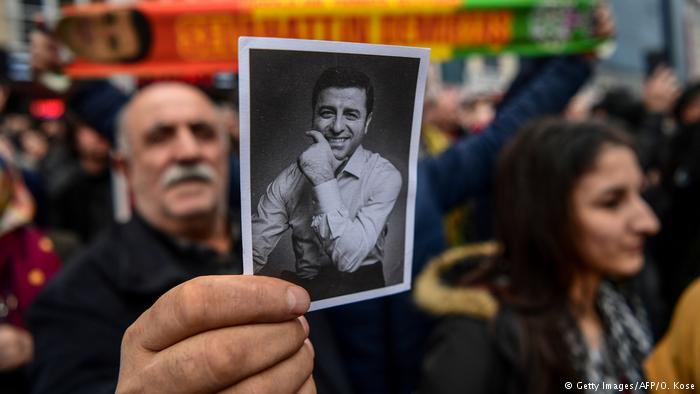
    Former Kurdish opposition leader Selahattin Demirtaş marked 10 years in prison on Wednesday despite repeated European Court of Human Rights (ECtHR) rulings finding his detention unlawful and politically motivated and calling for his release, the Deutsche Welle (DW) news website reported.

    Demirtaş, a former co-chair of the pro-Kurdish Peoples’ Democratic Party (HDP), has been imprisoned since November 4, 2016, and remains in custody pending an appeal against a 42-year prison sentence handed down in May 2024.

    On the anniversary lawyers representing Demirtaş and 12 other imprisoned Kurdish politicians, together with 15 regional bar associations, submitted a new application to an Ankara appeals court seeking their release. The application cited binding ECtHR judgments and a September decision by the Council of Europe’s Committee of Ministers calling for the release of Demirtaş and former HDP co-chair Figen Yüksekdağ.

    The latest application followed earlier requests for release that remained undecided as of October 5, according to an official submission by the Turkish government to the Council of Europe. The government confirmed that the case was before the 22nd Criminal Chamber of the Ankara Regional Court of Appeals and described Demirtaş and Yüksekdağ as being detained pending appeal.

    In July 2025 the ECtHR found multiple violations of Demirtaş’s rights in connection with a detention warrant issued in September 2019, ruling that Turkish authorities had failed to establish reasonable suspicion of criminal wrongdoing or provide sufficient justification for his prolonged imprisonment.

    The court also found a violation of Article 18 of the European Convention on Human Rights, concluding that the detention had pursued the improper political purpose of suppressing political pluralism and restricting democratic debate. The judgment became final on November 3, 2025, after the court rejected Turkey’s request to refer the case to its Grand Chamber.

    The decision followed a December 2020 judgment by the court’s Grand Chamber, which found that Demirtaş’s earlier detention had violated his rights to liberty, freedom of expression and free elections. The court concluded that his imprisonment had sought to stifle political pluralism and limit democratic debate and ordered his immediate release.

    The Council of Europe’s Committee of Ministers, which supervises the implementation of ECtHR judgments, renewed its demand in September for the immediate release of Demirtaş and Yüksekdağ, urging Turkish authorities to use all available legal means to comply with the rulings.

    Under Article 46 of the European Convention on Human Rights, Turkey is legally obligated to implement final judgments of the ECtHR.

    Demirtaş was initially jailed on November 4, 2016, during a crackdown on HDP lawmakers following the removal of parliamentary immunity for dozens of legislators. He was accused of membership in an armed terrorist organization and inciting criminal activity, allegations linked in part to his political speeches.

    Although an Ankara court ordered his release in September 2019, he remained in prison under a separate conviction. Later that month he was put in pretrial detention again in connection with violent protests in October 2014 over an Islamic State assault on the predominantly Kurdish Syrian town of Kobani.

    In May 2024 an Ankara court sentenced Demirtaş to 42 years in prison on multiple charges, including aiding efforts to undermine the unity and territorial integrity of the Turkish state and disseminating terrorist propaganda. The conviction has not been finalized because his appeal remains pending.

    In its October submission to the Council of Europe, the Turkish government defended the proceedings, saying the trial court had examined allegations of fair-trial violations and concluded that Demirtaş’s rights had been respected.

    Mahsuni Karaman, one of Demirtaş’s lawyers, told DW that implementing the European court’s judgments was a legal obligation that should not depend on the government’s ongoing peace process with Kurdish militants or the introduction of new legislation.

    The Committee of Ministers has identified legislation adopted as part of a peace process with the outlawed Kurdistan Workers’ Party (PKK) as a possible means of securing Demirtaş’s release. However, its application depends on conditions relating to the group’s laying down of arms and whether Demirtaş would benefit from the law.

    The committee is scheduled to review Turkey’s compliance with the judgments again in December.

    This article is republished from the Stockholm Center for Freedom.
  • Walking for water, riding for humanity: ARO and AFD unite Australia for clean water

    Walking for water, riding for humanity: ARO and AFD unite Australia for clean water

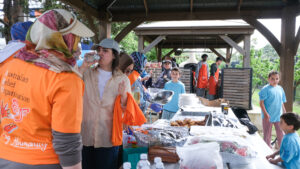
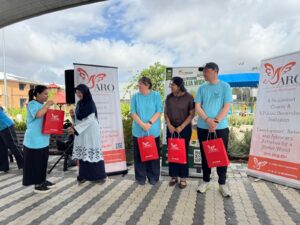
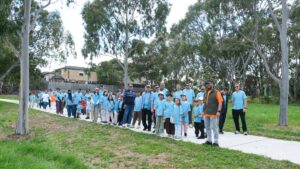
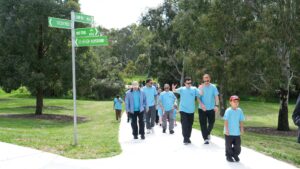
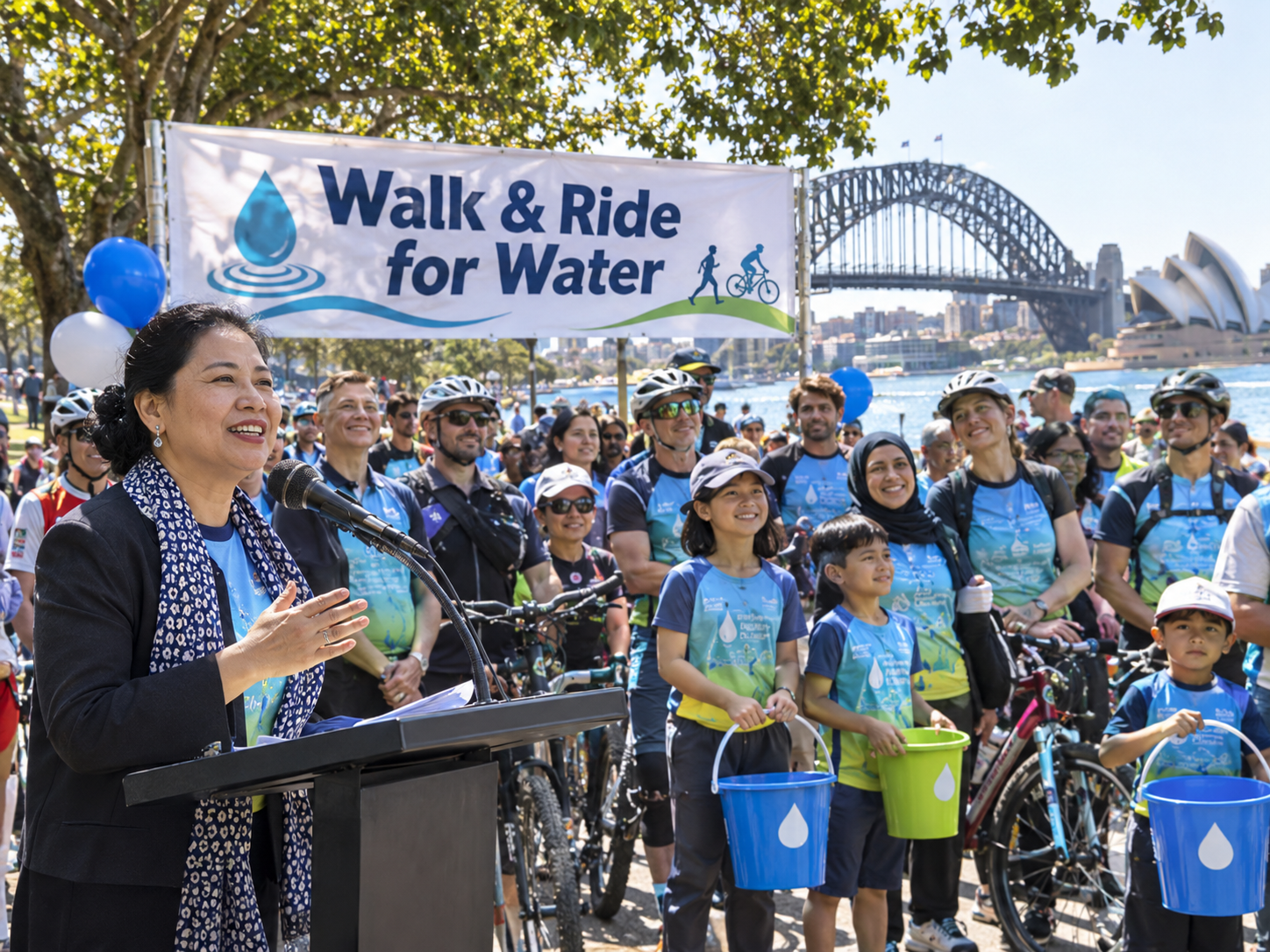
    Hundreds of volunteers across Australia walked and cycled in solidarity with children and families struggling to access safe drinking water. Organised by the Australian Relief Organisation (ARO) and Advocates for Dignity (AFD), the nationwide “Walk & Ride for Water” campaign brought together approximately 500 participants across Sydney, Melbourne, Adelaide and Perth. The initiative aims to raise $60,000 to fund sustainable water wells in Africa and Asia and support a clean water project at a regional Australian school.

    FOUR AUSTRALIAN CITIES UNITE FOR CLEAN WATER

    Hundreds of Australians joined a nationwide humanitarian campaign on Sunday, 1 November 2026, walking and cycling to raise awareness of the challenges faced by communities without reliable access to safe drinking water.

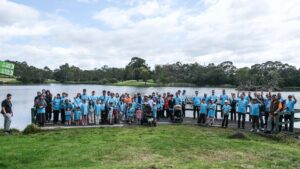
    The “Walk & Ride for Water” campaign, jointly organised by the Australian Relief Organisation (ARO) and Advocates for Dignity (AFD), brought together families, students, community leaders and volunteers from diverse cultural backgrounds.

    Held simultaneously in Sydney, Melbourne, Adelaide and Perth, the campaign attracted approximately 500 participants nationwide.

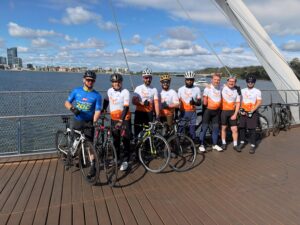
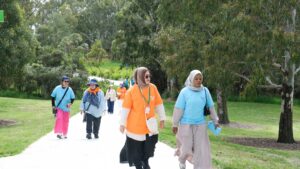
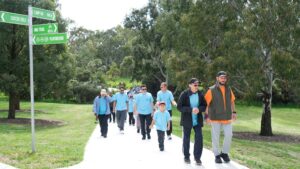
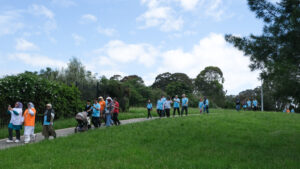
    Participants took part in five-kilometre community walks and cycling routes of 10, 55 and 70 kilometres, depending on the city.

    The campaign aimed to draw attention to the daily struggles of children in Africa and Asia who are forced to walk long distances to collect water, often from unsafe sources. Following the morning walks and cycling activities, participants gathered at Amity College’s Prestons campus for a community programme and breakfast.

    FEDERAL MP ANN STANLEY: SUPPORTING PEOPLE IN NEED IS A HUMANITARIAN RESPONSIBILITY

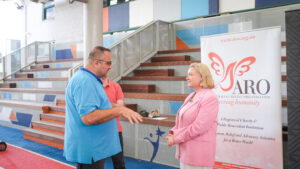
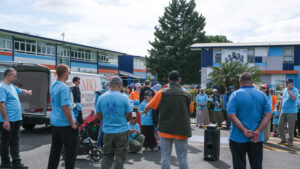
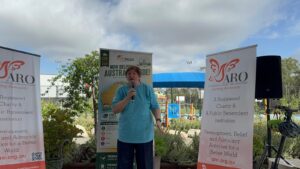
    In Sydney, approximately 100 people participated in the event, including families, children, cyclists and community volunteers.ARO Board Chair Dr Ma Wai Wai Myint, who delivered the opening address at the Sydney event, acknowledged the Traditional Owners of the land and paid respect to Australia’s First Nations peoples.

    Highlighting the importance of community solidarity and access to clean drinking water, she thanked the volunteers for their support, saying, “Your presence here today, walking and cycling alongside us, demonstrates just how important this cause is.” ARO has helped establish more than 260 water wells, providing thousands of children and families, particularly in Africa and Asia, with access to safe drinking water.

    Federal MP Ann Stanley attended the event alongside NSW State MP Nathan Hagarty, local councillors, educators, students and representatives of community organisations.

    Addressing participants, Stanley emphasised the importance of clean drinking water for human health, education and quality of life.

    She noted that while Australians generally have access to safe drinking water through their household taps, millions of people around the world continue to face serious difficulties obtaining this essential resource.

    Stanley highlighted the humanitarian responsibility of helping those in need and acknowledged the volunteers who had gathered early in the morning to support communities they had never met.

    She also commended the organisers and participants for their contribution to the campaign.

    ARO PRESIDENT HIGHLIGHTS THE POWER OF COMMUNITY SOLIDARITY

    The President of ARO opened the Sydney programme by acknowledging the Traditional Owners of the land and paying respect to Australia’s First Nations peoples.

    In his address, he thanked participants for their commitment to the campaign and highlighted the importance of collective action in improving access to safe drinking water.

    ARO has supported the construction of more than 260 water wells, providing thousands of children and families with access to clean water.

    Children in some disadvantaged communities walk up to six kilometres each day to collect water, often at the expense of their education and wellbeing.

    ARO’s water projects aim to reduce the risk of waterborne diseases, improve health outcomes and allow children to spend more time in school.


    AFD CHAIR MEHMET SARAL THANKS VOLUNTEERS

    AFD Board Chair Mehmet Saral also delivered a brief address during the Sydney programme.

    Saral highlighted the importance of humanitarian assistance and community solidarity in responding to the needs of people facing water insecurity.

    He thanked the volunteers and participants for supporting the initiative and contributing to the success of the nationwide campaign.

    AFD worked alongside ARO in coordinating the activities, bringing together volunteers and supporters from different communities across Australia.

    $60,000 FUNDRAISING TARGET FOR AFRICA, ASIA AND REGIONAL AUSTRALIA

    The organisers set a fundraising target of $60,000 to support the construction of sustainable water wells in rural communities across Africa and Asia.

    The campaign also aims to fund a clean water project at a regional school in Australia.

    Access to safe drinking water can improve children’s health and educational opportunities while reducing the daily burden on families who must travel long distances to collect water.

    The initiative reflects the organisations’ commitment to supporting vulnerable communities both internationally and within Australia.

    CHILDREN LEARN ABOUT THE DAILY STRUGGLE FOR WATER

    Alongside the walking and cycling activities, the campaign included family-oriented educational initiatives designed to raise awareness of water scarcity.

    One of the activities was the “Water Bucket Challenge”, in which children carried small buckets of water to gain a better understanding of the physical effort required by children living without nearby water supplies.

    The organisers sought to encourage younger generations to develop a greater appreciation of clean water and the importance of compassion, volunteering and social responsibility.

    Schools, families and community organisations played an important role in supporting the nationwide initiative.

    A MESSAGE OF SOLIDARITY FROM AUSTRALIA TO THE WORLD

    By combining physical activity, fundraising and community engagement, the “Walk & Ride for Water” campaign brought together Australians from different backgrounds in support of a shared humanitarian cause.

    The simultaneous events across four major cities demonstrated the contribution of multicultural communities and volunteers to international relief efforts.

    Through the campaign, ARO and AFD aim to help improve access to safe drinking water for children and families in Africa and Asia, while also supporting a regional Australian school.

    The nationwide initiative highlighted the importance of collective action in addressing one of the world’s most pressing humanitarian challenges: access to safe drinking water.ZAMAN Australia

  • Turkish justice minister says ‘crime network’ behind fund scandal

    Turkish justice minister says ‘crime network’ behind fund scandal

    Investigators probing a multibillion-dollar investment fund scandal have uncovered a “comprehensive criminal network” that infiltrated the highest levels of Turkey’s financial markets, Justice Minister Akın Gürlek said Tuesday.

    His remarks came days after a court ruled for the arrest of the former İstanbul stock exchange boss as part of a far-reaching probe that began in mid-September into allegations of widespread market manipulation affecting the savings of nearly half a million investors.

    The scandal has dominated the headlines for weeks, raising uncomfortable questions about who might have profited and putting pressure on President Recep Tayyip Erdoğan’s ruling Justice and Development Party (AKP), with one of its top members resigning following allegations about her investment activities.

    “The structure is not limited to a simple stock market scam, there is a comprehensive criminal organization involved,” Gürlek told NTV.

    “Although the investigation initially began with market actors, it has now revealed a criminal organization that extends into the upper levels of the financial bureaucracy,” he said.

    “Those within the mechanism that controls the money rendered the oversight mechanisms ineffective by establishing a system of bribery.”

    By forming a “cartel,” they sought “to siphon off liquidity from the market by manipulating certain shares and to take control of the market,” Gürlek added.

    Investigators were looking into 433 suspects and probing “all links within the structure, which extends to the very foundations of the financial system and the upper echelons of the capital markets.”

    So far, 112 suspects have been jailed pending trial, while another 186 have been granted conditional release, and 38 others were still being sought, Gürlek said. Among them were “political figures linked to criminal organizations within our fund market,” he said, without giving further details.

    On Saturday Korkmaz Enes Ergun, head of the Borsa İstanbul stock exchange, was detained on suspicion of “membership in an organization established to commit crimes” and accepting bribes. He was arrested on Tuesday on bribery charges.

    Two weeks ago the head of Turkey’s SPK capital markets regulator was sacked by presidential decree just days after prosecutors began investigating his predecessor in connection with the affair.

    At the same time the deputy finance minister also resigned after his son-in-law was jailed pending trial in the fund scandal.

    © Agence France-Presse

  • Turkey detains 21 over alleged Gülen links, including 7 accused of aiding prisoners’ families

    Turkey detains 21 over alleged Gülen links, including 7 accused of aiding prisoners’ families

    Turkish police detained 21 people on Tuesday in two investigations into alleged links to the faith-based Gülen movement, including seven accused of providing financial assistance to prisoners’ families, the TRT haber state broadcaster reported.

    The Ankara Chief Public Prosecutor’s Office issued detention warrants for 25 people in the two investigations, with police continuing to search for four who remained at large.

    Turkish President Recep Tayyip Erdoğan has targeted the faith-based Gülen movement, inspired by Muslim cleric Fethullah Gülen, who died in 2024, since corruption investigations in December 2013 implicated him as well as some members of his family and inner circle. He dismissed the probes as a Gülenist conspiracy and designated the movement as a terrorist organization in May 2016, intensifying a sweeping crackdown after a coup attempt in July of the same year that he accused Gülen of orchestrating. The movement denies involvement in the attempted coup or any terrorist activity.

    The first investigation targeted 11 people accused of providing financial support to alleged members of the movement and engaging in unspecified ongoing activities associated with it. Seven were detained, while police were searching for the remaining four. The Bold Medya news website reported that the allegations also involved providing financial assistance to families of people in prison.

    Turkish authorities have repeatedly targeted people accused of providing financial assistance to families affected by the crackdown on the movement.

    In April police detained 42 people, most of them women, over assistance provided during the Muslim holy month of Ramadan to families of people jailed or dismissed from their jobs over alleged Gülen links. A court subsequently ordered 24 of them jailed pending trial, while the remaining 18 were released under judicial supervision.

    United Nations experts warned in October 2025 that people had reportedly been arrested over family relationships or lawful activities by relatives, including financial transactions, describing the practice as guilt by association that was inconsistent with the principle of individual responsibility.

    The latest detentions follow another round of nationwide operations targeting alleged Gülen movement members. Authorities announced on Monday that 72 people had been detained across 32 provinces, with courts ordering 41 of them jailed pending trial.

    In the second investigation, police detained all 14 people named in detention warrants during simultaneous raids across 10 provinces, including the Turkish capital of Ankara. Prosecutors accused them of participating in what authorities described as the movement’s clandestine network within public institutions. The investigation was conducted by the National Intelligence Organization (MİT) and the counterterrorism department of the Ankara Police Department.

    The prosecutor’s office did not specify what activities the 14 detainees allegedly carried out in public institutions or explain what ongoing activities were attributed to those targeted in the financial investigation. Details of the detainees’ questioning and custody status beyond their initial detention were not immediately available.

    According to the latest figures from the justice ministry, more than 127,000 people have been convicted of alleged links to the movement, and authorities had initiated legal proceedings against 720,338 people since 2016, with 10,485 still in prison. Investigations or trials involving another 83,404 are still ongoing.

    This article is republished from the Stockholm Center for Freedom.
  • Turkey detains 72, arrests 41 over alleged Gülen links

    Turkey detains 72, arrests 41 over alleged Gülen links

    Turkish authorities detained 72 people over alleged links to the faith-based Gülen movement in recent operations, with courts ordering 41 of them jailed pending trial, the İlke TV news website reported Monday, citing the Interior Ministry.

    Gendarmes carried out the operations across 32 provinces, including İstanbul, Ankara, İzmir and Diyarbakır provinces, under the coordination of prosecutors and the force’s counterterrorism department. Legal procedures were continuing for the remaining 31 people, the ministry said, without specifying their custody status.

    Turkish President Recep Tayyip Erdoğan has targeted the faith-based Gülen movement, inspired by Muslim cleric Fethullah Gülen, who died in 2024, since corruption investigations in December 2013 implicated him as well as some members of his family and inner circle. He dismissed the probes as a Gülenist conspiracy and designated the movement as a terrorist organization in May 2016, intensifying a sweeping crackdown after a coup attempt in July of the same year that he accused Gülen of orchestrating. The movement denies involvement in the attempted coup or any terrorist activity.

    The ministry’s allegations included continuing activities on behalf of the movement, maintaining contact with people it described as movement coordinators, providing financial support to charities it alleged were affiliated with the movement and posting content on social media that it characterized as terrorist propaganda.

    The official statement did not specify which allegations applied to which detainees, identify the charities or describe the social media posts cited as evidence.

    The ministry also said gendarmes seized documents and digital materials during the operations, without detailing their contents.

    According to the latest figures from the justice ministry, more than 127,000 people have been convicted for alleged links to the movement and authorities had initiated legal proceedings against 720,338 people since 2016, with 10,485 still in prison. Investigations or trials involving another 83,404 are still ongoing.

    In addition to the thousands who were jailed, scores of other Gülen movement followers had to flee Turkey to avoid the government crackdown.

    This article is republished from the Stockholm Center for Freedom.
  • Turkey detains 10 over alleged Gülen links in 3 provinces

    Turkey detains 10 over alleged Gülen links in 3 provinces

    Turkish police detained 10 people on Friday over alleged links to the faith-based Gülen movement in raids across three provinces, the TRT Haber state broadcaster reported.

    The simultaneous raids took place in İstanbul and the western provinces of Aydın and İzmir. Police alleged that some of those detained had previously held coordinating roles in the movement and had resumed those activities.

    Turkish President Recep Tayyip Erdoğan has targeted the faith-based Gülen movement, inspired by Muslim cleric Fethullah Gülen, who died in 2024, since corruption investigations in December 2013 implicated him as well as some members of his family and inner circle. He dismissed the probes as a Gülenist conspiracy and designated the movement as a terrorist organization in May 2016, intensifying a sweeping crackdown after a coup attempt in July of the same year that he accused Gülen of orchestrating. The movement denies involvement in the attempted coup or any terrorist activity.

    The authorities also cited alleged past use of ByLock, an encrypted messaging app that was available on Apple’s App Store and Google Play, and increases in deposits at Bank Asya before its closure. They in addition named the alleged collection of donations on behalf of the movement and the organizing of religious discussion meetings.

    Since the coup attempt in 2016, the Turkish government has accepted such activities as having an account at the now-shuttered Bank Asya, one of Turkey’s largest commercial banks at the time; using the ByLock messaging application; and subscribing to the now-shut-down Zaman daily or other publications affiliated with members of the movement as benchmarks for identifying and arresting alleged followers of the Gülen movement on charges of membership in a terrorist organization.

    Turkish authorities have considered ByLock to be a secret tool of communication among supporters of the Gülen movement since the coup attempt on July 15, 2016, despite a lack of evidence that ByLock messages were related to the abortive putsch.

    Although the European Court of Human Rights (ECtHR) has in many cases made clear that use of the ByLock messaging app does not constitute a criminal offense, detentions and arrests of individuals continue in Turkey for their alleged use of the ByLock application.

    Police said they seized Turkish lira, foreign currency and gold worth 12.85 million lira (about $257,000), along with digital materials and documents they described as related to the movement.

    The detainees were taken to police headquarters. The reports did not identify them or include statements from their lawyers.

    This article is republished from the Stockholm Center for Freedom.
  • Cricket, climate and colonialism on agenda as Commonwealth leaders meet in Caribbean

    Cricket, climate and colonialism on agenda as Commonwealth leaders meet in Caribbean

    The prime minister will advance Australia’s campaign for a seat on the United Nations Security Council when he meets Commonwealth leaders in Antigua and Barbuda this week, leaving colleagues to face the fallout of a widely anticipated interest rate rise on Tuesday.

    As Coalition figures accuse Anthony Albanese of “jetting off” to the Caribbean while Australians struggle with the cost of living, the prime minister said his attendance at the Commonwealth Heads of Government Meeting (CHOGM) came at the personal request of King Charles.

    “[CHOGM] provides Australia an opportunity to work with some of our closest partners on shared challenges, including climate change, the preservation of our oceans, trade and investment, and the rise of AI,” Mr Albanese said.

    “It’s also an important opportunity for Australia to advance our campaign for a seat on the United Nations Security Council in 2029-30.”

    The availability of leaders from 56 nations will also give Mr Albanese an opportunity to speak to key negotiating blocs ahead of summit season, with COP 31, APEC, G20, and the East Asia Summit all in November.

    PM to discuss trade, backpackers with UK

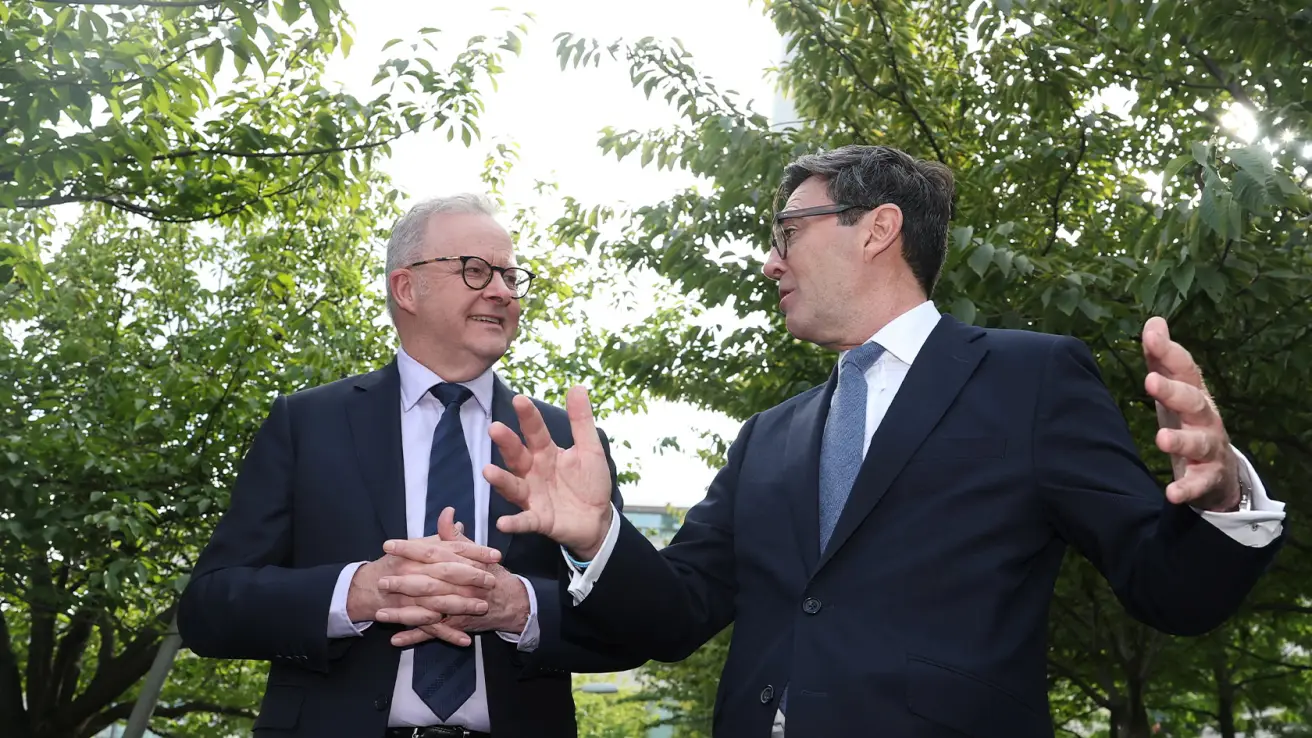
    Mr Albanese will hold sideline talks with UK Prime Minister Andy Burnham and Canada’s Prime Minister Mark Carney, and is expected to meet several Pacific and African leaders.

    While Mr Albanese and Mr Burnham briefly met on the sidelines of the UN General Assembly in September, their first official meeting is set to focus on AI, fuel security amid war in the Middle East, and ballooning British backpacker numbers.

    Under a 2021 Morrison-era free trade deal, a rule forcing British backpackers to work in rural and regional Australia was scrapped, leading to a near doubling of UK working holiday-makers.

    The government has already directed a “go slow” on processing UK working holiday visas, sitting at about 80,000 per year, but will still allow UK citizens to bypass rural and regional work.

    Labor has also introduced a backpacker visa lottery, capping second-year visas at 45,000 and third-year visas at 5,000.

    The agreement has been partly blamed for worsening labour shortages in rural Australia and persistently high Net Overseas Migration levels.

    ‘Untapped potential’ of Commonwealth

    CHOGM is one of the few multilateral forums without the presence of the US or China, but geopolitics will still loom large over the summit.

    Over the past two decades, China has poured billions into the region, funding major infrastructure projects across the Caribbean, including Antigua’s main port, airport and cricket stadium where CHOGM events will tee off.

    Last week, the Trump administration announced it would invest more than $US340 million ($484 million) across 15 Caribbean nations, focusing on digital infrastructure, health care and regional security.

    Donald Trump points with his right index finger while speaking into a microphone at a rally.

    US President Donald Trump is investing more in Carribean nations. (Reuters: Umit Bektas)

    In a pre-CHOGM speech, Commonwealth Secretary-General Shirley Botchwey called for far greater trade cooperation and social mobility among Commonwealth nations, whose combined economies are worth nearly $30 trillion.

    “I believe passionately in the Commonwealth’s potential to benefit its members and their people today and in the future. And that full potential is still untapped,” she said.

    Ms Botchwey also called for “bold and urgent change” in the international system amid “a new era of fracture”.

    “What’s clear is that business as usual in international affairs will no longer cut it,” she said.abcnews

  • Aliyev aides say summit absence was response to Erdoğan’s Baku no-show: journalist

    Aliyev aides say summit absence was response to Erdoğan’s Baku no-show: journalist

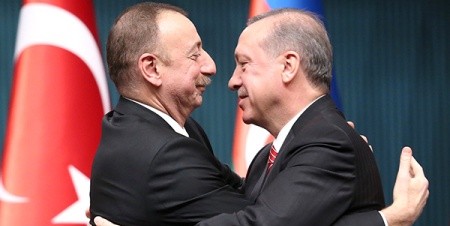
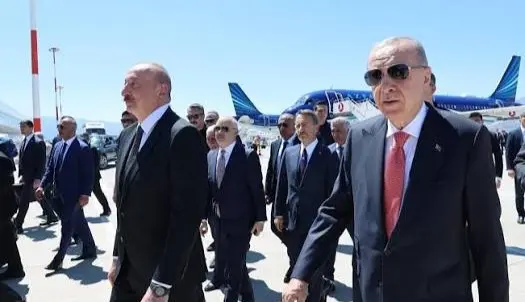
    Azerbaijani President Ilham Aliyev’s aides described his absence from Friday’s Organization of Turkic States (OTS) summit in Ankara as a response to Turkish President Recep Tayyip Erdoğan’s decision to skip a meeting in Baku earlier this month, Turkish journalist Deniz Zeyrek reported on the T24 news website.

    Zeyrek said Aliyev’s aides pointed to Erdoğan’s absence from the October 15 summit of the Conference on Interaction and Confidence Building Measures in Asia (CICA), a regional security forum, in Baku.

    Turkey sent Foreign Minister Hakan Fidan instead. Azerbaijan’s decision to send Foreign Minister Jeyhun Bayramov to Ankara for the Organization of Turkic States summit, a gathering promoting cooperation among Turkic-language-speaking countries, followed the same principle, the aides reportedly said.

    They also wanted Turkey to take action against seven Turkish citizens accused of targeting Azerbaijan and its leadership, according to Zeyrek’s account.

    The alleged demands follow a dispute over Azerbaijani school uniform regulations that have reportedly led to girls wearing Islamic headscarves being excluded from classes. Criticism from Turkish politicians and religious groups prompted accusations from Azerbaijan’s ruling party that they were interfering in the country’s domestic affairs.

    They complained that only two of the seven Turkish citizens on a list submitted by Baku had been questioned and sought action against all seven, along with the closure of social media accounts accused of targeting Azerbaijan.

    That account differs from the publicly stated explanation for Aliyev’s absence. Azerbaijan’s Report Information Agency cited previously scheduled commitments, including a youth football tournament’s closing ceremony in Baku.

    Aliyev stayed away despite Erdoğan’s personal invitation during an October 21 telephone conversation.

    Friday’s OTS summit brought together Turkey, Azerbaijan, Kazakhstan, Kyrgyzstan and Uzbekistan, which cooperate on political, economic and cultural issues. Bayramov represented Azerbaijan as Turkey assumed the organization’s rotating chairmanship.

    A Thursday analysis by APA, an Azerbaijani news agency close to Aliyev’s government, also defended his absence on grounds of diplomatic reciprocity. It accused Turkey’s ruling Justice and Development Party (AKP) and allied religious groups of fueling hostility toward Azerbaijan.

    The school dispute intensified after Erdoğan adviser Oktay Saral criticized the restrictions on October 12, saying girls wearing headscarves should not be prevented from attending classes.

    Middle East Eye reported that Baku had asked Ankara to remove Saral and act against Turkish commentators accused of insulting Aliyev.

    Saral announced his resignation on October 26 after saying Erdoğan had instructed him to leave. Asked whether his departure was connected to his remarks about Azerbaijan, he replied, “Yes, it seems so.”

    Azerbaijan has also barred 31 Turkish nationals, including journalists, political figures and religious commentators, from entering the country over statements related to the controversy.

    Reuters reported that the tensions also reflected disagreements over Azerbaijan’s sovereignty, its close relations with Israel and Turkey’s efforts to normalize relations with Armenia.

    Despite the tensions, Turkey and Azerbaijan maintain close military, energy and transportation ties. Opening Friday’s summit, Erdoğan emphasized unity among Turkic states.

    “There is no room for separation, division or discord in the Turkic world’s family portrait. We are all one, we stand together and, God willing, we are brothers for all eternity,” he said.

    Erdoğan said the leaders’ group photographs symbolized their commitment to a shared future and that Turkey would seek concrete results from the organization’s work during its rotating chairmanship.

  • Aliyev to skip Ankara summit despite Erdoğan’s invitation amid Turkey-Azerbaijan tensions

    Aliyev to skip Ankara summit despite Erdoğan’s invitation amid Turkey-Azerbaijan tensions

    Azerbaijani President Ilham Aliyev will not attend Friday’s Organization of Turkic States (OTS) summit in Ankara, Azerbaijani media reported Thursday, amid tensions between the two close allies over Turkey’s criticism of restrictions on headscarves in Azerbaijani schools.

    Aliyev will be represented by Foreign Minister Jeyhun Bayramov at the October 30 summit, according to the Azerbaijani Report Information Agency, which attributed his absence to previously scheduled engagements and a busy work schedule.

    The agency reported that Aliyev would attend the final and closing ceremony of the inaugural FIFA U-15 World Cup and Festival in Baku on Friday and present awards to the finalists. It said his participation in the ceremony had been arranged in advance.

    The announcement comes despite Turkish President Recep Tayyip Erdoğan’s personal invitation to Aliyev during an October 21 telephone conversation and the departure of Erdoğan’s chief presidential adviser, Oktay Saral, following a dispute over Azerbaijan’s restrictions on headscarves in schools.

    Saral criticized the restrictions in an October 12 post on X, saying it was unacceptable to prevent students wearing headscarves from exercising their right to education.

    Azerbaijan amended its school uniform regulations in September to prohibit clothing considered inconsistent with prescribed uniforms or secular education. Although the regulations do not explicitly mention headscarves, some students wearing them have reportedly been turned away from classes.

    Saral’s remarks prompted a sharp response from Azerbaijan’s ruling New Azerbaijan Party, which accused Turkish political figures of interfering in the country’s domestic affairs.

    In an October 25 interview with journalist Talat Atilla, Saral said he was leaving his position on Erdoğan’s instructions. Asked whether his departure was connected to his criticism of Azerbaijan, he replied, “Yes, it seems so.”

    Saral announced his resignation the following day.

    Middle East Eye had reported that Azerbaijan demanded Saral’s dismissal and legal action against Turkish commentators accused of insulting Aliyev.

    The dispute has also resulted in measures against Turkish citizens. Azerbaijan has barred 31 Turkish nationals, including journalists, political figures and religious commentators, from entering the country and issued arrest warrants for seven others over statements related to the controversy.

    Tensions between Ankara and Baku predate the headscarf controversy, Azerbaijani political analyst Arastun Orujlu told Meydan TV, an independent Azerbaijani news outlet operating in exile.

    He identified Azerbaijan’s increasingly close ties with Israel as a major source of friction, pointing to broader competition between Turkey and Israel for influence in the South Caucasus.

    Despite the tensions, Aliyev sent Erdoğan a message Thursday congratulating Turkey on the 103rd anniversary of the founding of the republic.

    He described Azerbaijan and Turkey as bound by genuine ties of friendship and brotherhood and said the 2021 Shusha Declaration had elevated their relationship to the level of an alliance.

    The announcement of his absence from the summit came later that day.

    Bayramov, who will represent Azerbaijan at the summit, attended Thursday’s meeting of the OTS Council of Foreign Ministers in Ankara and met with his Turkish counterpart, Hakan Fidan.

    The ministers discussed bilateral relations and regional and international developments, according to the Azerbaijani Foreign Ministry.

    Friday’s summit, hosted by Erdoğan, will mark Turkey’s taking over the organization’s rotating chairmanship from Azerbaijan.

    The OTS, which brings together Turkey, Azerbaijan, Kazakhstan, Kyrgyzstan and Uzbekistan, promotes political, economic and cultural cooperation among Turkic-speaking countries.

    According to the organization’s official announcement, the leaders are expected to discuss trade, transportation, energy and institutional cooperation, appoint a new secretary-general and adopt the Ankara Declaration.

    Turkey and Azerbaijan maintain close military, energy and transportation ties and frequently describe their relationship as “one nation, two states.”

  • Turkey accused of blocking Kurdish visitors from returning home to Germany

    Turkey accused of blocking Kurdish visitors from returning home to Germany

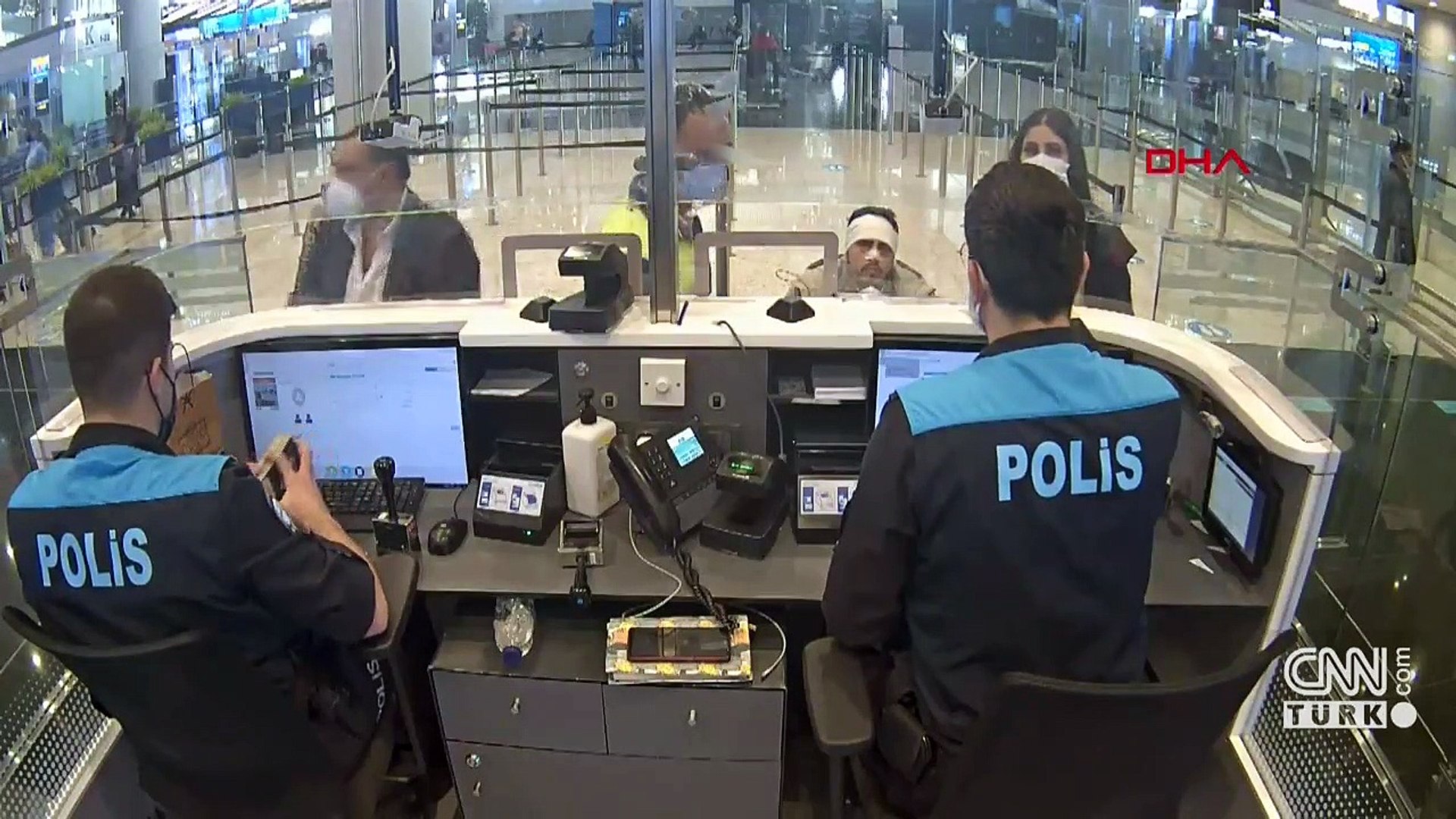
    Turkey is preventing Kurdish visitors from returning to their homes in Germany through bans on leaving the country, a Kurdish community organization said Wednesday, calling for German diplomatic intervention, Deutsche Welle reported.

    The Kurdish Community in Germany (KGD) said reports had increased in recent weeks of people unable to return after vacations or family visits to Turkey, including some of its members. Those affected also included Kurdish residents of other European countries.

    In an October 28 statement the organization said numerous people faced exit bans and investigations into alleged terrorist propaganda. It did not provide a total number of cases.

    The group also cited reports that some people had been asked to pay up to 10,000 euros to have the bans lifted. It called for an urgent, independent investigation into those allegations but did not identify who allegedly demanded the money.

    The KGD urged the German government to summon Turkey’s ambassador for an explanation and provide diplomatic assistance to those affected, particularly German citizens and permanent residents, within the scope of available consular support.

    The organization said the cases reflected a longstanding pattern of questioning, detention, criminal investigations and travel restrictions targeting people visiting Turkey from Germany, particularly Kurds.

    Such proceedings frequently involve accusations of insulting the president, spreading terrorist propaganda or having links to banned organizations, the group said. It said the accusations often concern criticism of the Turkish government, social media posts or participation in political events in Germany.

    KGD Deputy Chairman Mehmet Tanrıverdi said people should not face prosecution during visits to Turkey for exercising freedom of expression and assembly in Germany.

    The group said the pressure created a climate of intimidation beyond Turkey’s borders and called on Berlin to make protecting those affected a priority in relations with Ankara.

    Germany’s Foreign Office warns in its travel advice for Turkey that German citizens can face arbitrary detention and exit bans. It says participation in demonstrations in Germany, signing petitions supporting Kurdish independence or membership in legally registered associations advocating for Kurdish rights can lead to prosecution or travel restrictions in Turkey, even years later.This article is republished from the  https://stockholmcf.org/